Beach Flowers
Beach Flowers is a modern fragrance accord combining tropical and coastal florals like frangipani, plumeria, and sea jasmine to capture sun-warmed petals kissed by salt air. Rather than a single ingredient, it represents a perfumer's interpretation of shoreline bloom.
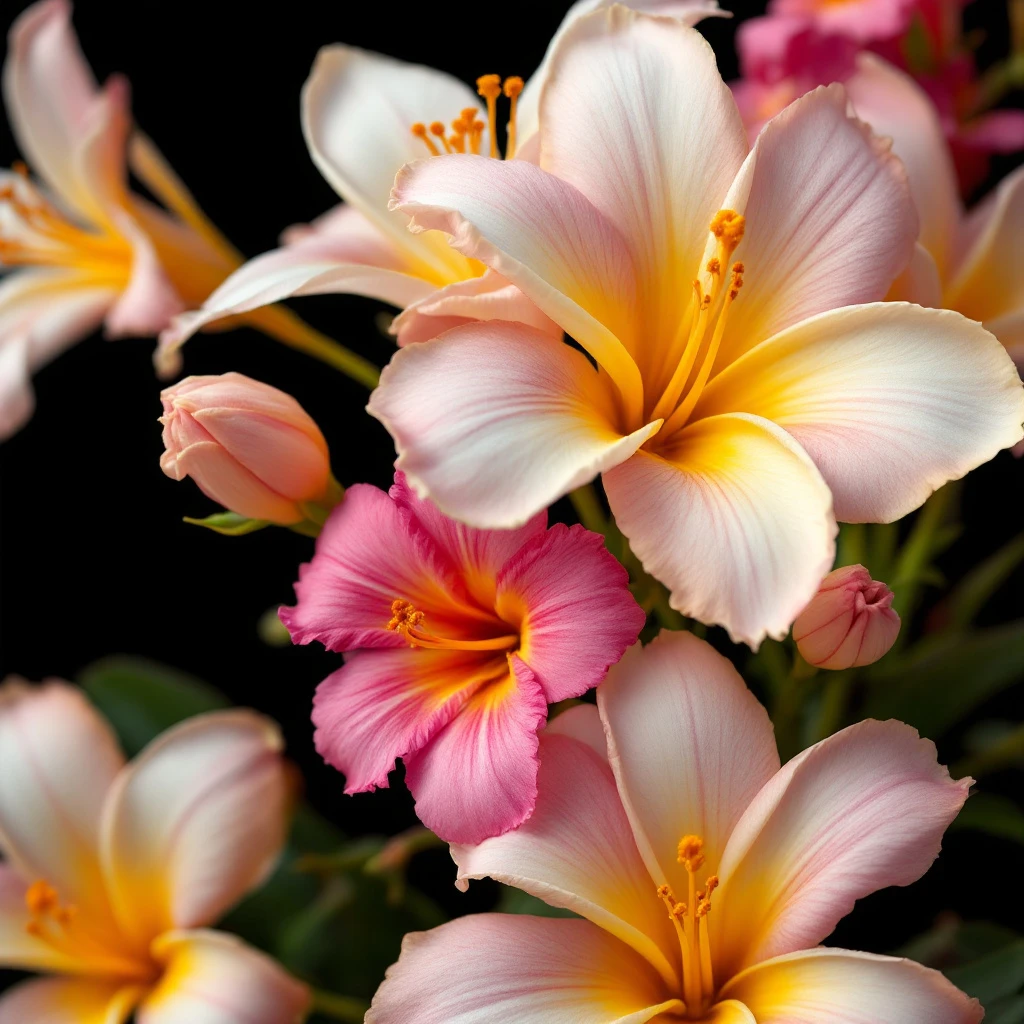
Character
How it smells
Tropical petals breathing coastal air
Frangipani survives in sandy coastal soil by storing water in thick succulent stems, concentrating its scent into intensely fragrant flowers that perfume makers treasure.



Origin
Multiple origins (Mediterranean and tropical)
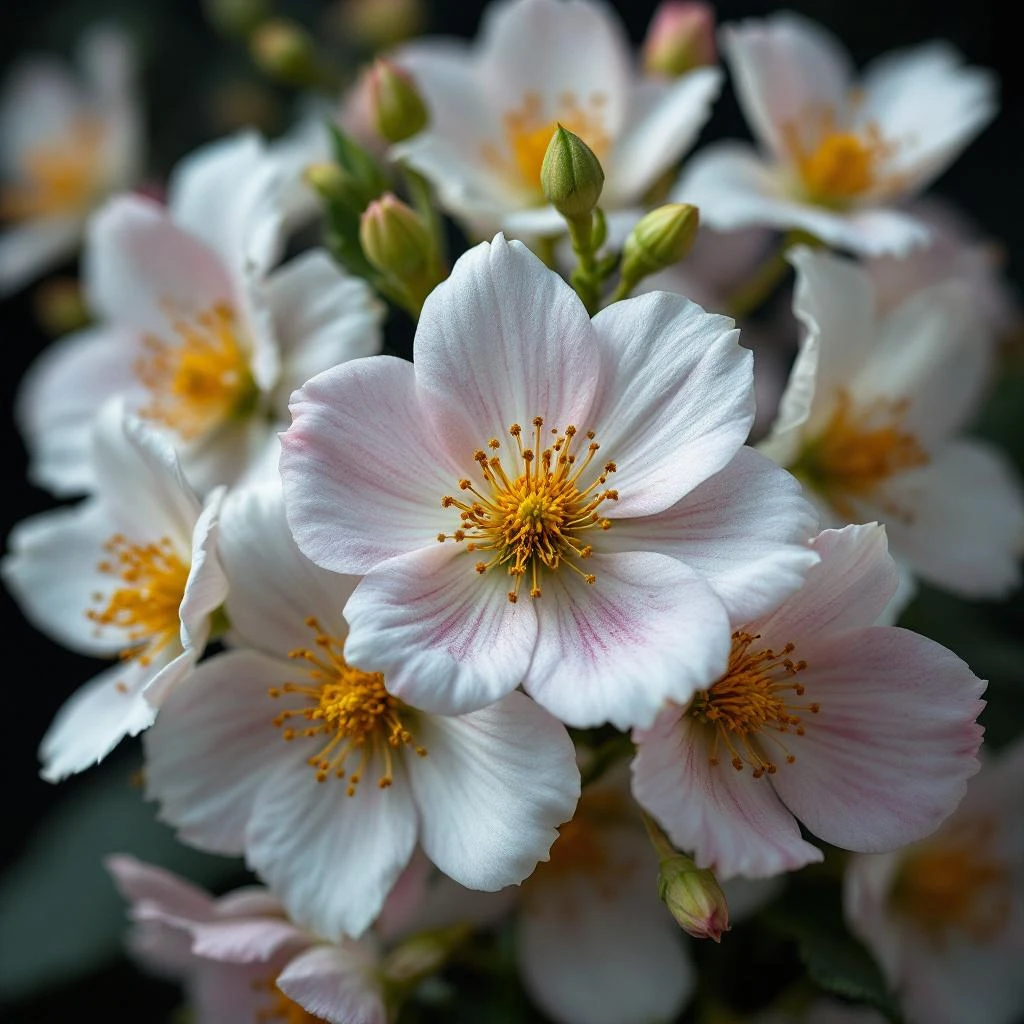
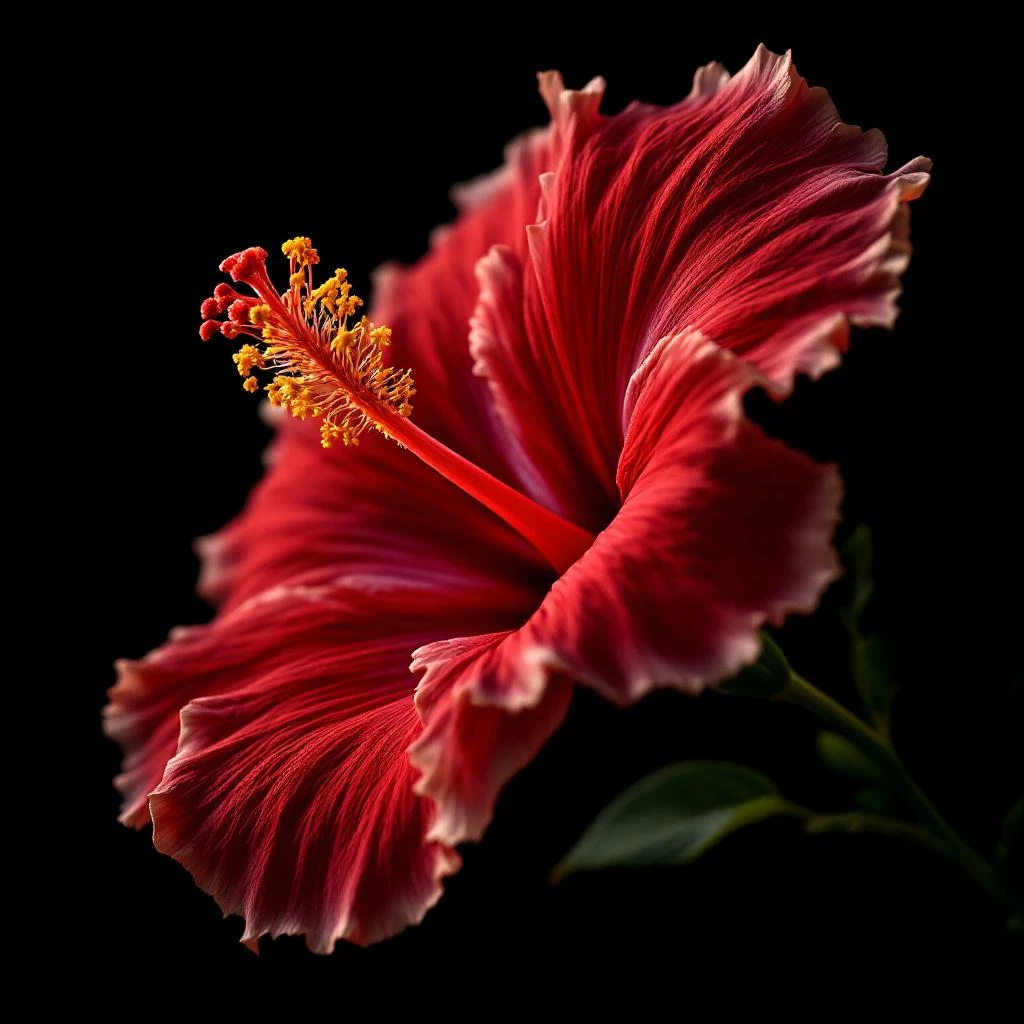
Coastal florals have perfumed Mediterranean and tropical cultures for centuries. Ancient Hawaiians used plumeria garlands to scent temple rituals.
Mediterranean coastal gardens cultivated jasmine and orange blossom near the sea for trade and religious use. Modern perfumery adopted these materials systematically in the twentieth century as tropical trade routes expanded.
Grasse perfume houses began working with imported frangipani in the 1960s as consumer interest in exotic, sunny fragrances grew. The Beach Flowers concept emerged in contemporary perfumery as a named accord capturing that specific coastal-tropical floral quality, popular in summer fragrances and ocean-themed collections launched by European and American houses starting in the 1990s.
Wears it best
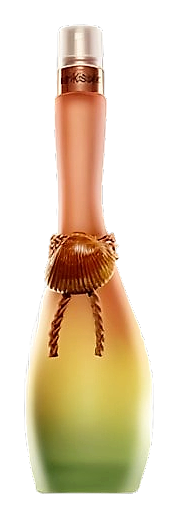
Fragrances featuring Beach Flowers
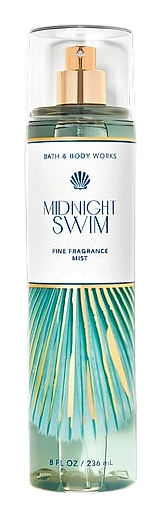
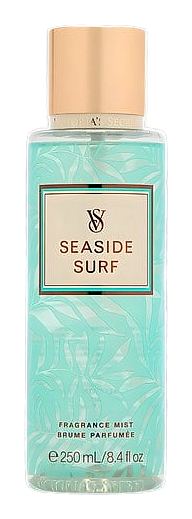
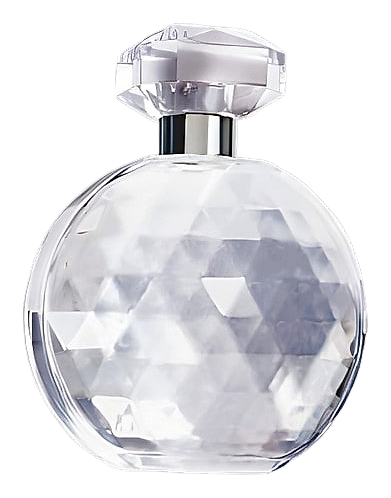
Brands
Brands known for Beach Flowers
Good to know
Questions, answered
The essentials on Beach Flowers in perfumery: how it smells, where it comes from, and how it behaves on skin.
What does Beach Flowers smell like?
Beach Flowers smells like warm tropical petals in ocean air. Think rich gardenia and plumeria softened by salt and sunshine, with a creamy, slightly green quality that evokes coastal garden walks.
Is Beach Flowers a natural ingredient?
Beach Flowers is an accord, not a single ingredient. It blends multiple floral naturals such as frangipani, plumeria, and gardenia with supporting materials to create a coastal-tropical floral effect.
Which flowers make up a Beach Flowers accord?
Common flowers include frangipani, plumeria, gardenia, jasmine, and sometimes tuberose or frangipani. Each perfumer composes their own version, so accords vary between houses.
Does Beach Flowers have good staying power?
Beach Flowers accords are typically heart-to-top notes in fragrance pyramids. Individual floral components vary: gardenia and tuberose project strongly, while plumeria often provides softer, creamier character.
What fragrance families use Beach Flowers?
Beach Flowers appears in tropical florals, fresh summer fragrances, and oceanic scents. It pairs naturally with marine notes, coconut, and citrus in warm-weather compositions.
When did Beach Flowers enter modern perfumery?
Beach Flowers accords emerged in the 1990s as European and American houses began naming coastal-tropical floral blends. The concept grew alongside consumer demand for vacation-inspired fragrances.
Can Beach Flowers be recreated synthetically?
Yes. Many beach floral notes rely partly on synthetics that mimic salt-kissed tropical petals. Synthetics help perfumers achieve consistency and capture aspects difficult to extract naturally.
What should I layer with Beach Flowers fragrances?
Layer Beach Flowers fragrances with marine or salt notes for authenticity, coconut for tropical depth, or light woods like bamboo and sandalwood for warmth that complements the floral heart.




