Basil Blossom
Where herbal meets floral: Basil Blossom captures the delicate flowering tops of the basil plant, yielding a refined, green-camphorate note with soft floral undertones prized in high-end perfumery.
Character
How it smells
The flowering heart of basil in a bottle.
In ancient Mediterranean traditions, basil flowers were reserved for sacred and ceremonial use, not the leaves.






Origin
Tunisia
Basil originated in the Mediterranean and tropical Asia, with documented use in ancient Egyptian perfumery dating to around 1500 BCE. The plant traveled along ancient trade routes, establishing deep roots in Indian, Greek, and Roman traditions where it held significant cultural and spiritual value.
Greek physicians used basil preparations for therapeutic purposes, while in Indian Ayurveda the herb earned the name Tulsi, meaning 'the incomparable one,' reflecting its sacred status. Perfumery applications developed gradually; the fresh, green character of the flowers was historically harder to capture than the leafy herb, making blossom extraction a specialized pursuit.
By the early 20th century, advances in solvent extraction technology finally allowed perfumers to access the delicate floral nuance of basil flowers, expanding the ingredient's role from culinary and medicinal to purely aromatic. Today, basil blossom absolute remains a specialty material, used sparingly to add unexpected depth and natural green-floral facets to sophisticated fragrance compositions.
Wears it best
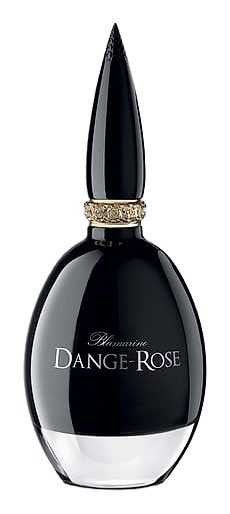
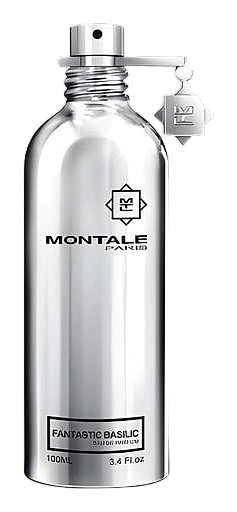
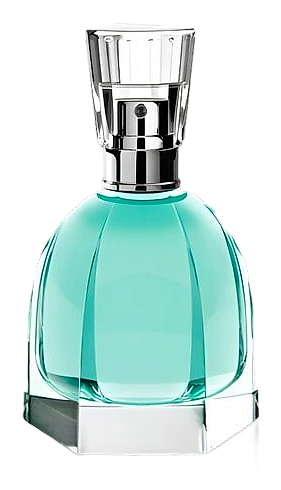
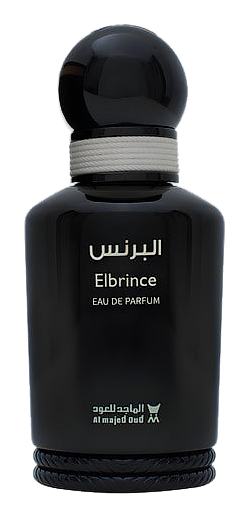
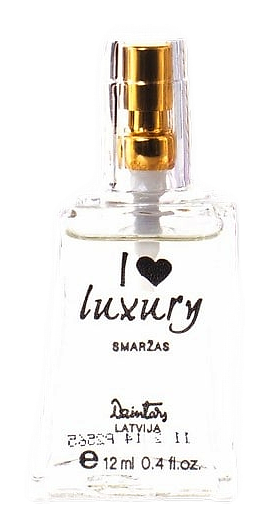
Fragrances featuring Basil Blossom
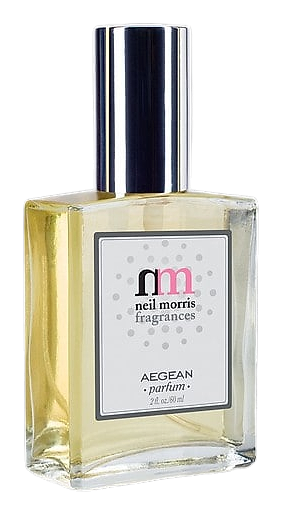
Brands
Brands known for Basil Blossom
Good to know
Questions, answered
The essentials on Basil Blossom in perfumery: how it smells, where it comes from, and how it behaves on skin.
What is basil blossom in perfumery?
Basil blossom is a specialty aromatic absolute derived from the flowers of the Ocimum basilicum plant. It offers a rare combination of green, camphorate top notes and soft floral undertones, distinguishing it from the leaf-based basil oil used in mainstream perfumery.
How is basil blossom absolute produced?
Producers harvest basil flowering tops at peak bloom and use solvent extraction, typically with food-grade hexane or ethanol, to pull aromatic compounds from the plant material. The resulting concrete is processed further to remove waxes and produce the final viscous absolute.
Where does basil blossom originate?
Basil traces its origins to the Mediterranean basin and tropical Asia. Commercially, Tunisia and Egypt supply significant quantities of basil-derived aromatic materials, with India providing the plant's deepest cultural roots in Ayurvedic traditions.
What does basil blossom smell like?
It opens with crisp, green-camphorate freshness reminiscent of crushed basil leaves, then reveals a subtle sweet-floral character reminiscent of white flowers. The combination creates a distinctive herbal-floral signature not found in most other natural materials.
Is basil blossom natural or synthetic?
Basil blossom absolute is a natural ingredient obtained through solvent extraction of actual basil flowers. No synthetic equivalent fully replicates its complex profile, which contains dozens of naturally occurring aromatic compounds including linalool and camphor.
What type of fragrances use basil blossom?
Fragrance houses employ basil blossom absolute primarily in luxury eaux fraîches, chypres, and aromatic fougère compositions. Its green-floral character adds unexpected naturalness and complexity to modern designer and niche perfumes.
How much basil blossom is needed in a fragrance formula?
A little goes a long way. Basil blossom absolute is highly concentrated, and perfumers typically use it in trace amounts between 0.1% and 2% of a fragrance formula. Its potency makes it a cost-effective choice despite the specialty extraction process.
Can basil blossom be combined with citrus notes?
Absolutely. Basil blossom pairs exceptionally well with citrus oils like bergamot and lemon, creating a crisp, Mediterranean character. It also complements floral materials such as orange blossom and jasmine, adding a green structural element that enhances overall composition.