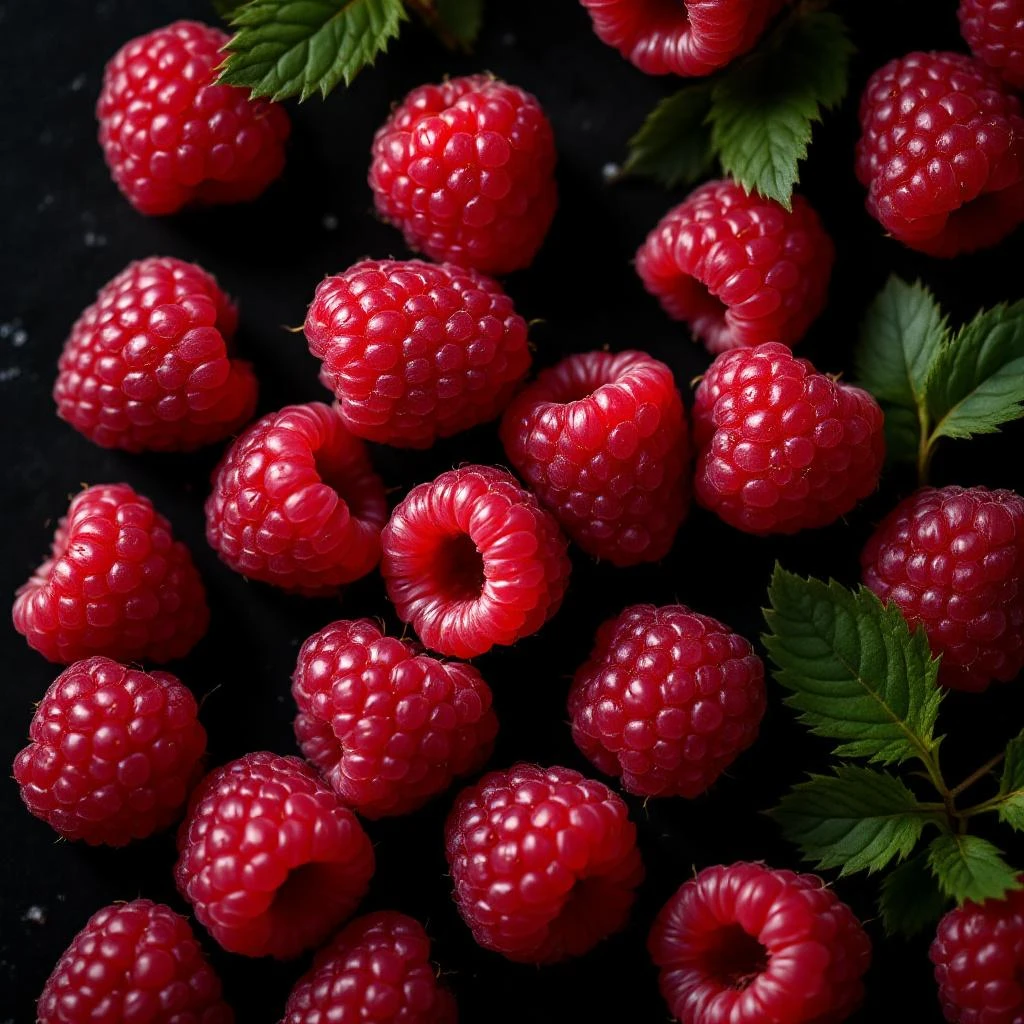
Banyan Fig
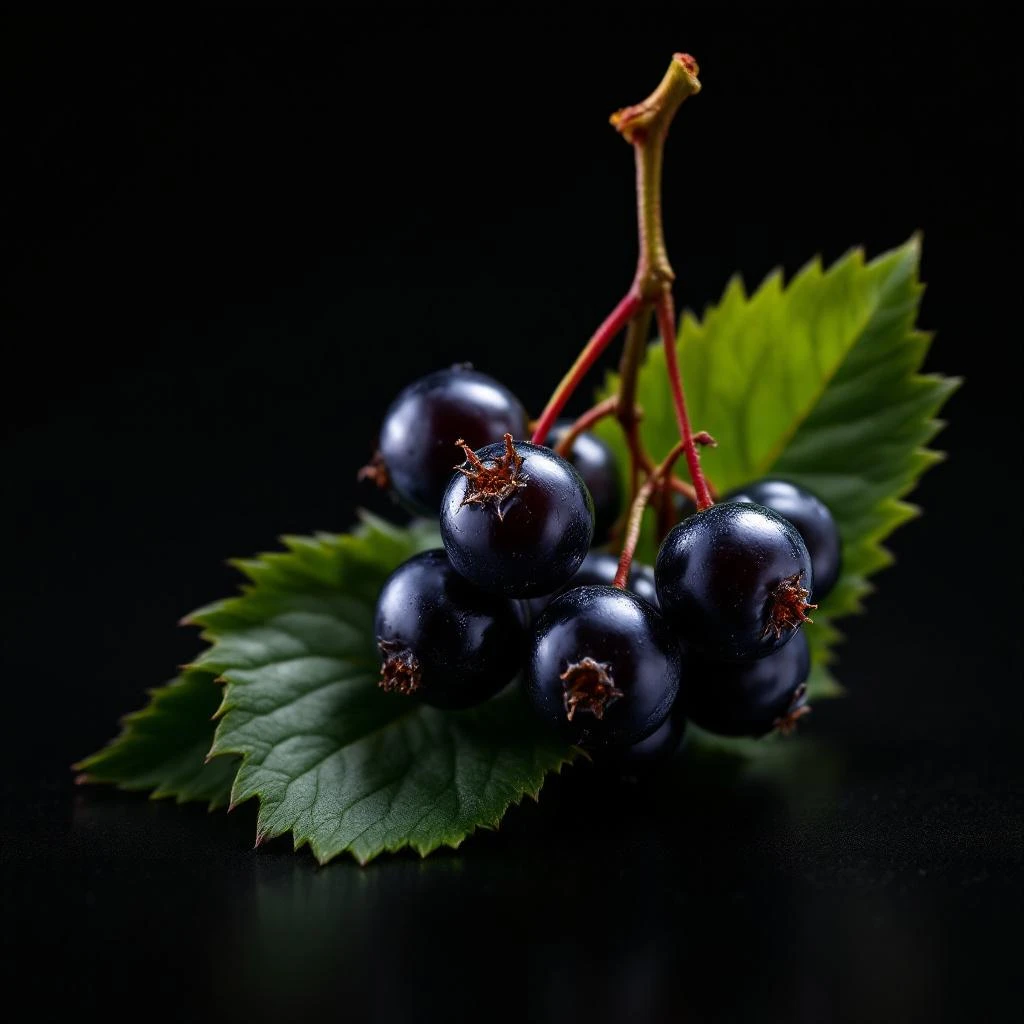
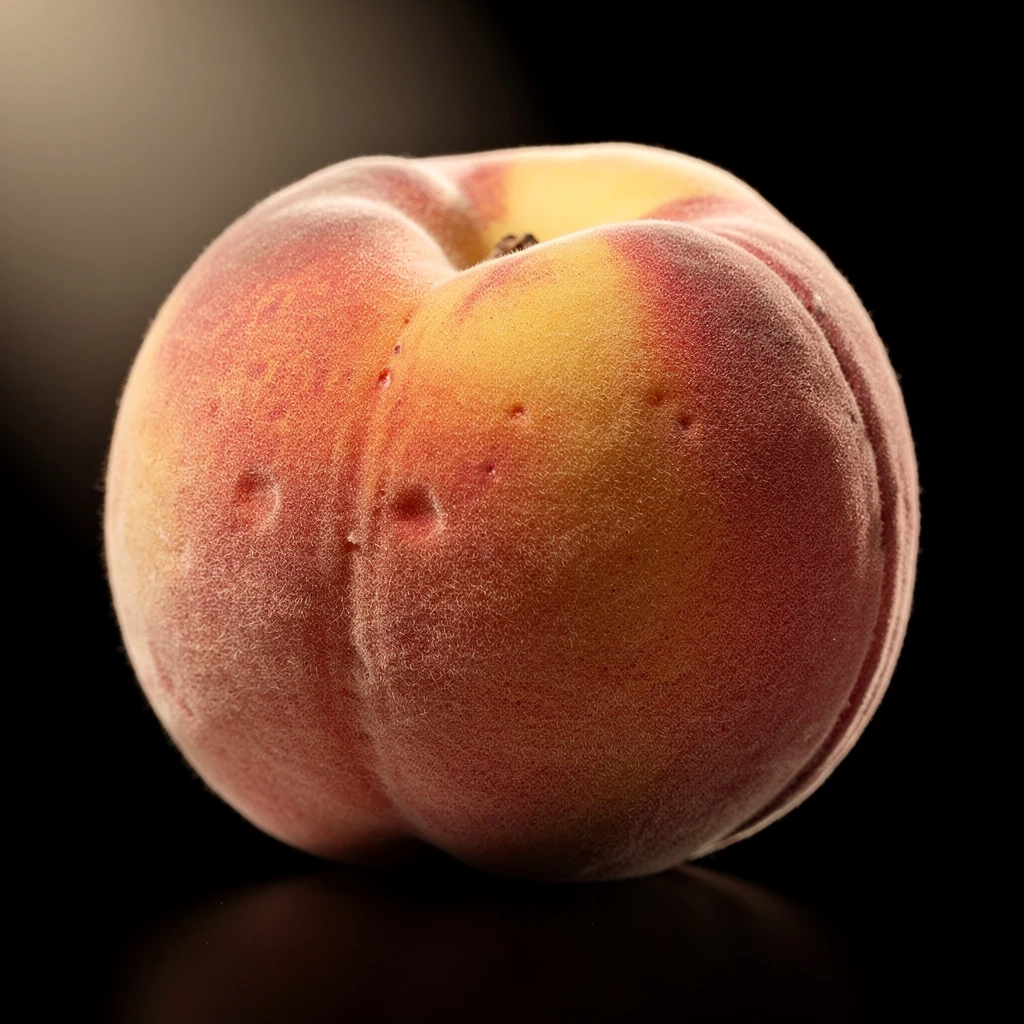
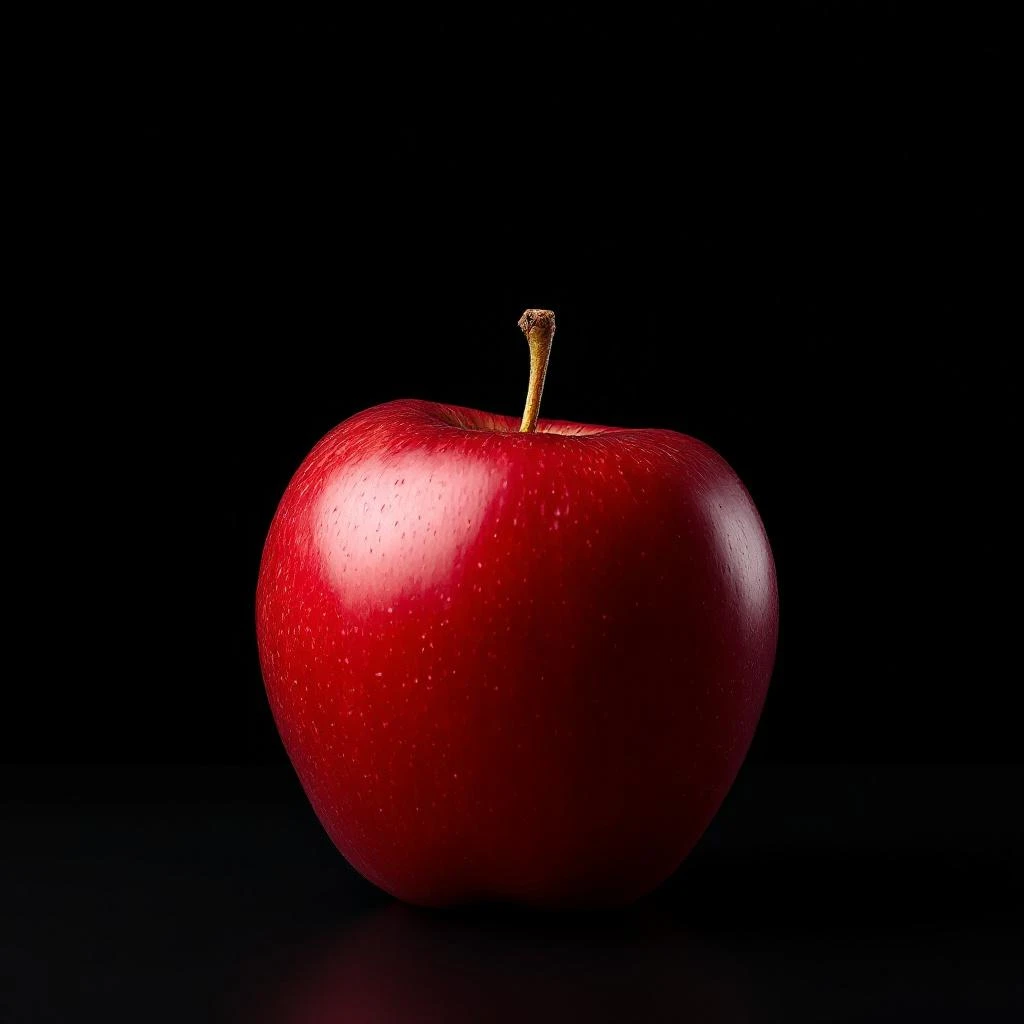
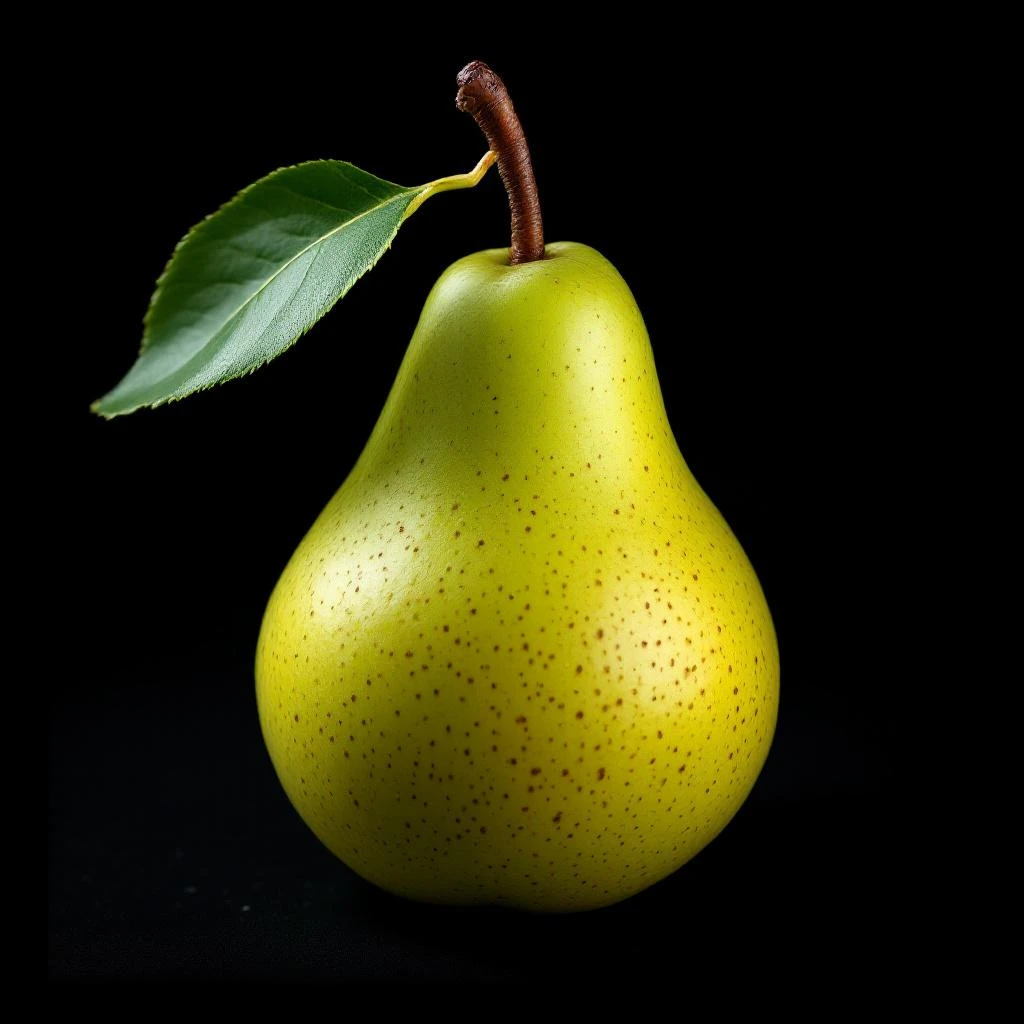
Banyan fig captures the green, lactonic soul of India's sacred tree. Its milky sap and sun-warmed wood evoke monsoons, temple courtyards, and ancient bark beneath bare feet.
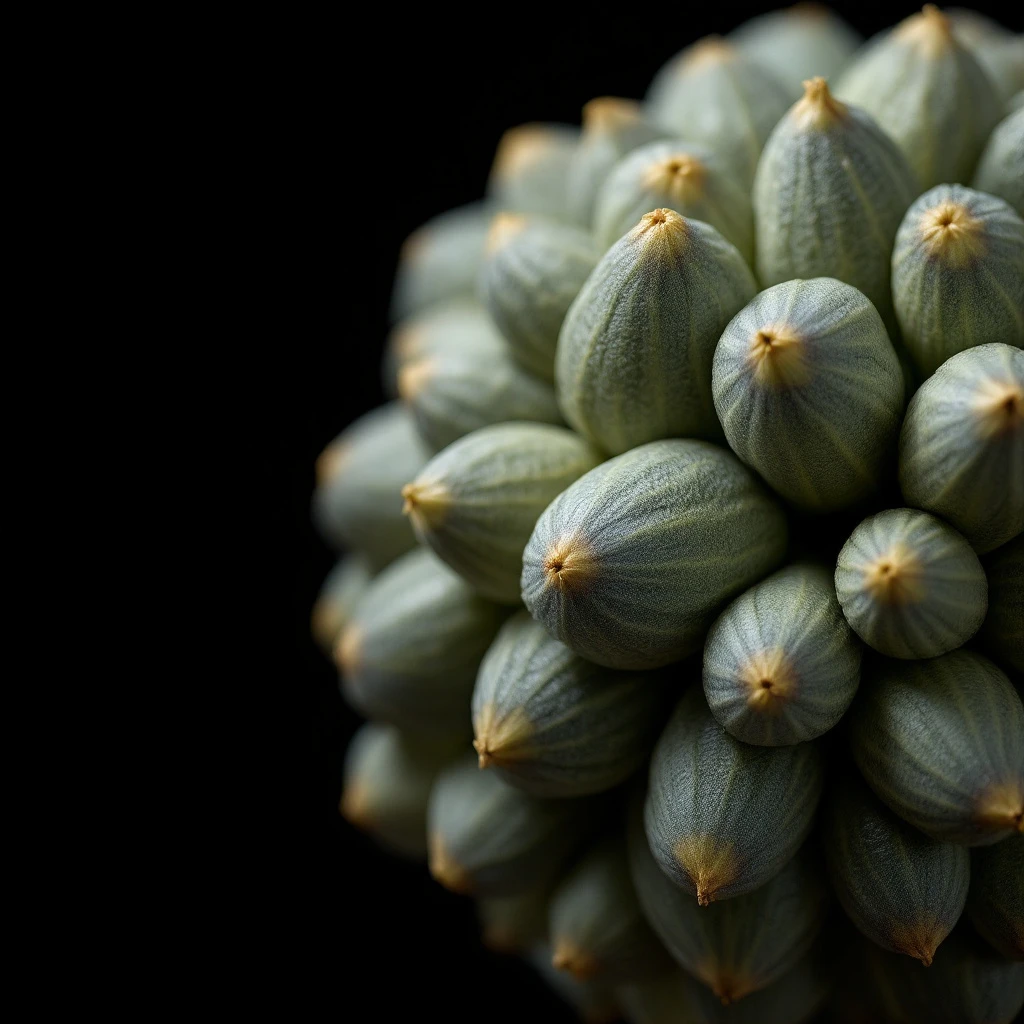
Character
How it smells
Sacred wood. Milky green. Ancient canopy.
A single banyan tree can live for over 200 years, spreading across acres through aerial roots that touch ground and become trunks.



Origin
India
Hindu tradition holds the banyan sacred, naming it the kalpavriksha or wish-fulfilling tree. Ancient texts describe queens applying banyan bark preparations for aromatic rituals as early as 800 BCE.
Buddhist scriptures reference the banyan as a site of meditation, and traders carried its cuttings along maritime routes to Southeast Asia. Persian and Arab physicians documented banyan resin in medical treatises, noting its use in incense burning around the same period Greek perfumers began working with Ficus species.
The colonial-era spice trade redirected attention toward more commercially viable aromatic materials, pushing traditional banyan extraction toward obscurity in Western perfumery. Indian fragrance houses have maintained continuous production through generations, preserving techniques now attracting renewed interest from niche perfumers worldwide.
Wears it best
Fragrances featuring Banyan Fig
Brands
Brands known for Banyan Fig
Good to know
Questions, answered
The essentials on Banyan Fig in perfumery: how it smells, where it comes from, and how it behaves on skin.
What does banyan fig smell like?
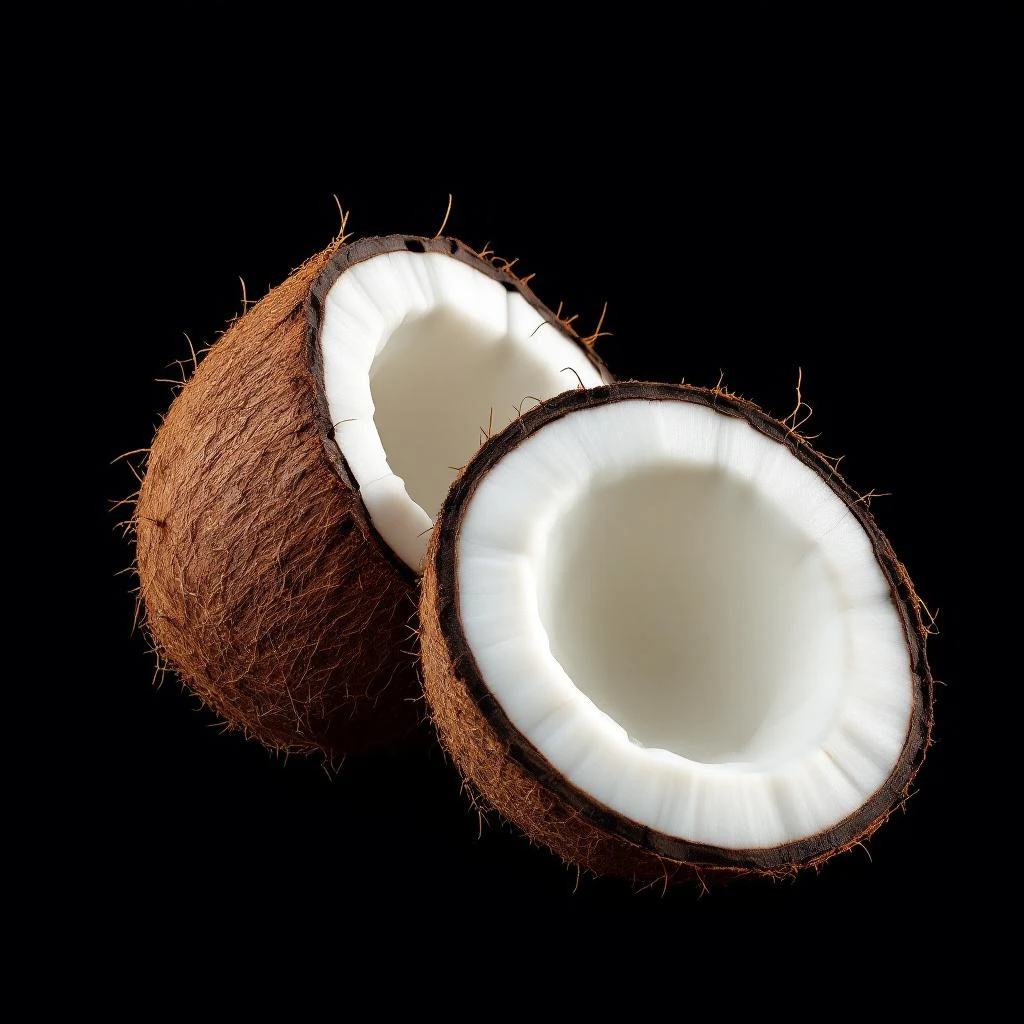
Banyan fig opens with a creamy, lactonic green note reminiscent of fresh coconut. Dry down reveals warm woody facets with subtle resinous sweetness. The overall impression balances milky softness with earthy grounding.
Is banyan fig a natural or synthetic ingredient?
Banyan fig exists as a natural material extracted from Ficus benghalensis. Niche houses sometimes offer an aromachemical reconstruction mimicking its key odor molecules. Natural versions dominate premium perfumery.
Which perfumes feature banyan fig prominently?
Several Indian artisan houses feature banyan fig, including products from Mysore Sandal and Anand Gandharwa. International references to this material remain uncommon, as most Western perfumery uses Ficus carica instead.
What part of the banyan tree is used in perfumery?
Producers extract the oil from dried wood, leaves, and young branches. Each material contributes different aromatic qualities: leaves add green lactones, wood provides warmth, and young branches bridge both profiles.
How long does banyan fig oil take to produce?
The complete process spans three to four weeks. Harvesting and sun-drying occupy the first week, hydrodistillation runs 8 to 12 hours, and resting the oil adds additional cure time before blending.
Why is banyan fig considered rare in perfumery?
Low yield and seasonal harvesting limit supply. Each 100 kilograms of dried material produces only 300 to 500 grams of essential oil. Most production remains within India, with limited exportation to international markets.
Does banyan fig have any traditional uses beyond perfumery?
Ayurvedic medicine has utilized banyan bark and aerial roots for centuries. Practitioners ground the material into pastes for skin applications and incorporated it into incense formulations for ceremonial purposes.
How should banyan fig be stored?
Store banyan fig oil in dark glass bottles away from heat and light. Cool, dark storage extends shelf life to approximately three years. Exposure to air accelerates oxidation and degrades the lactonic compounds.