Baklava
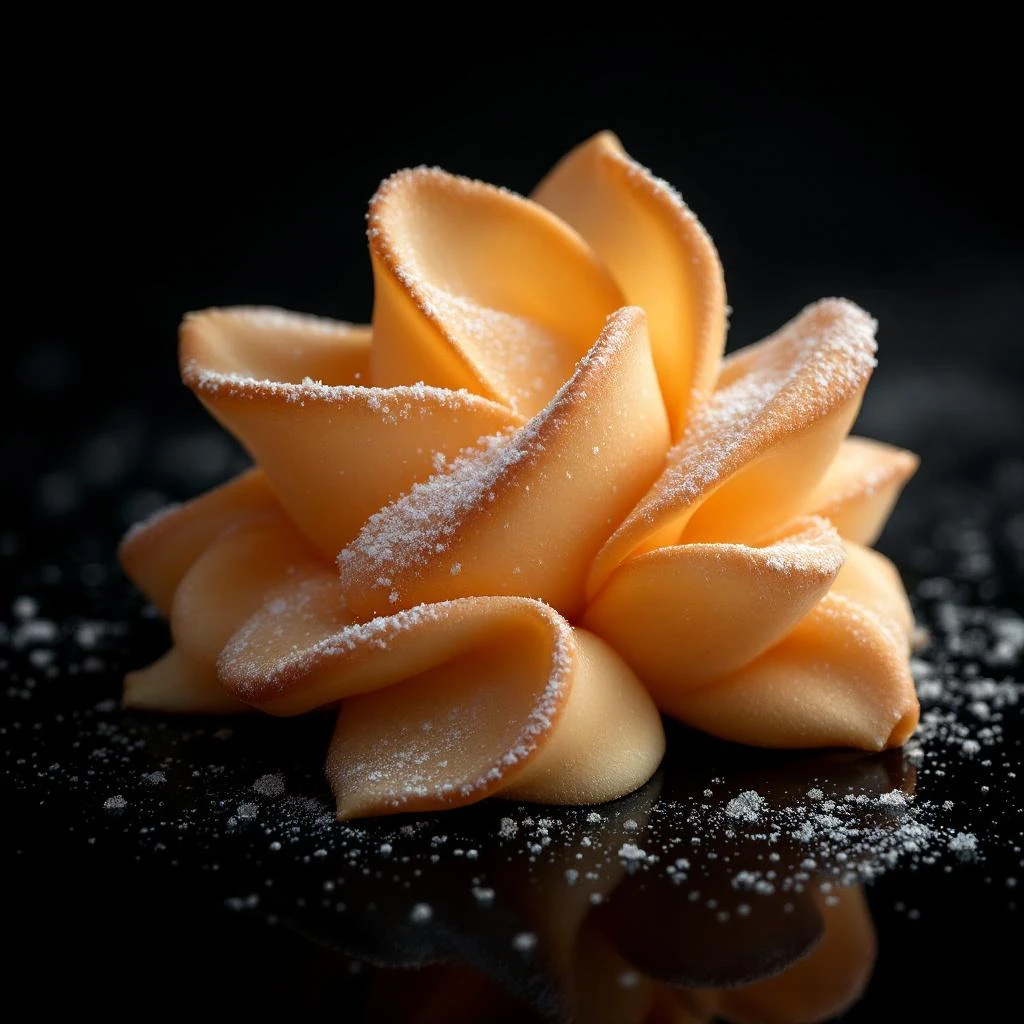
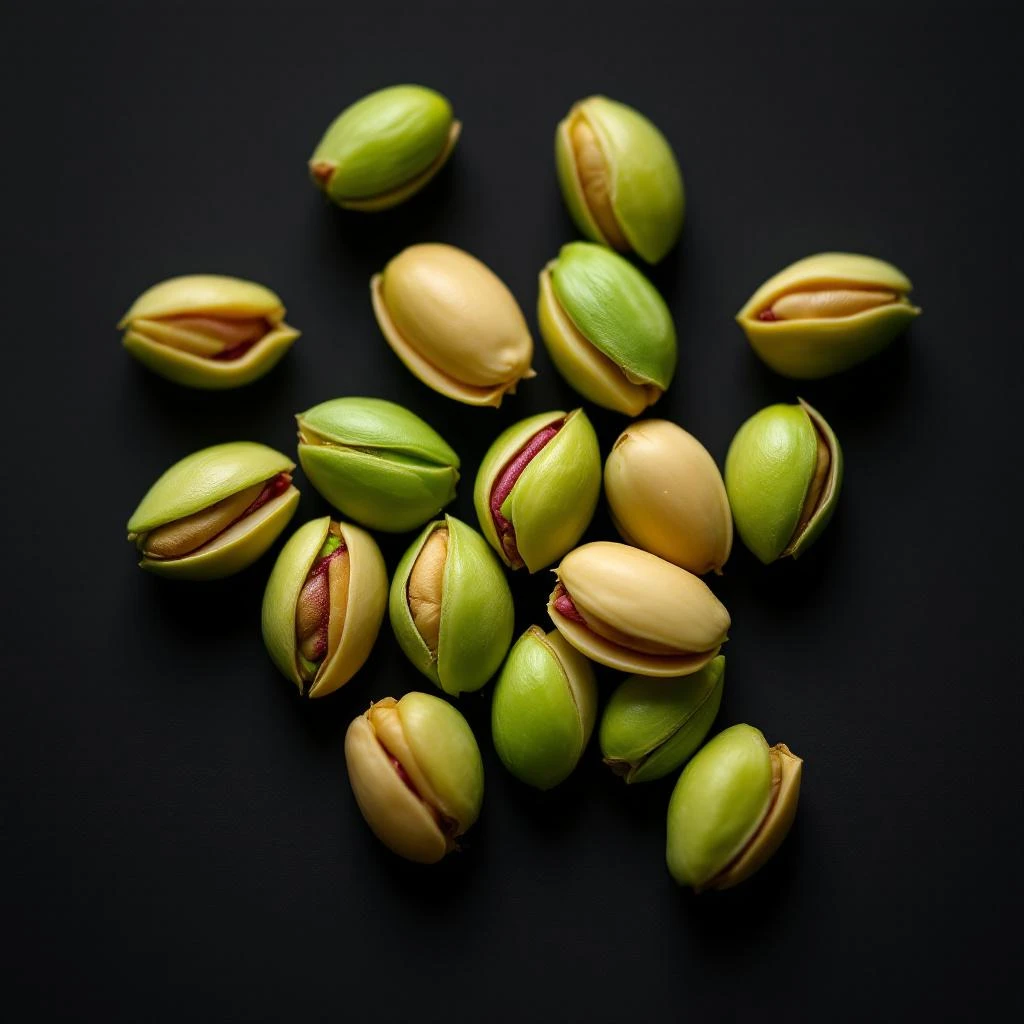
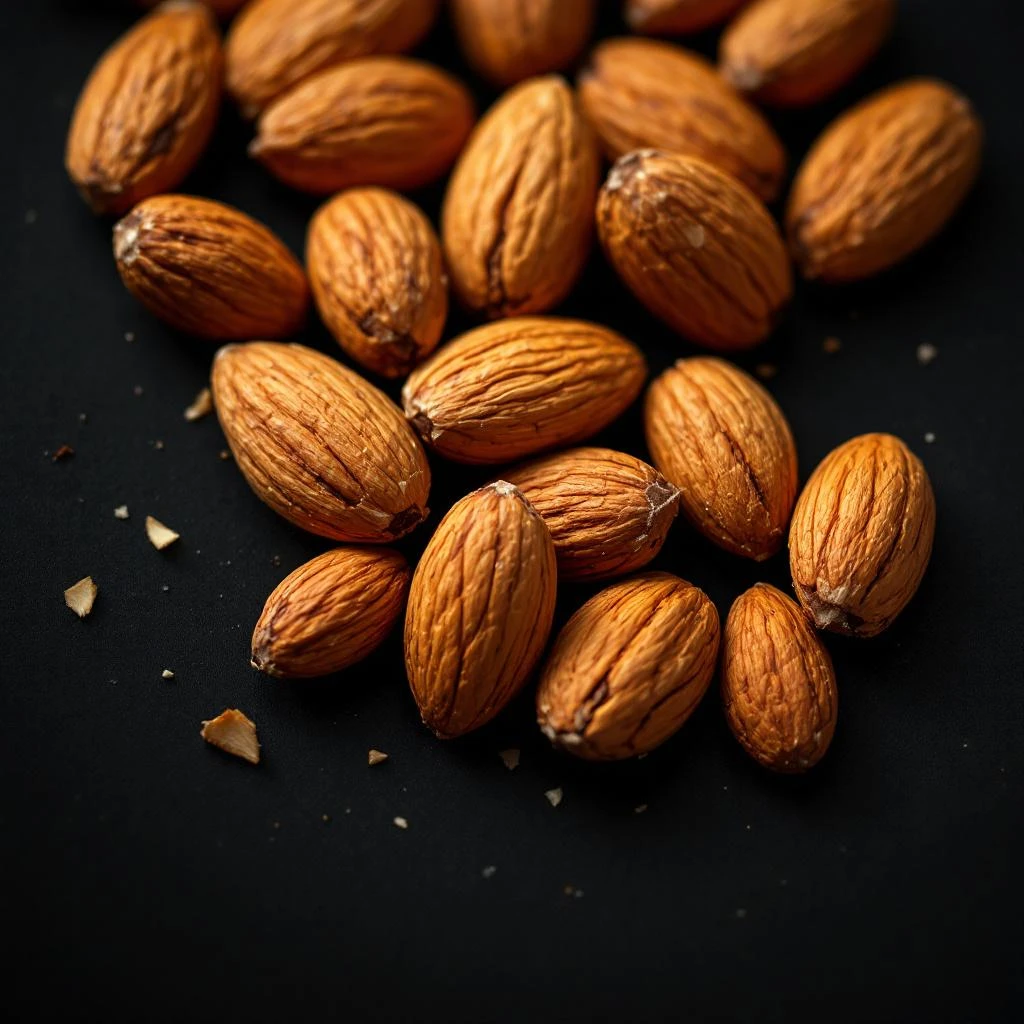
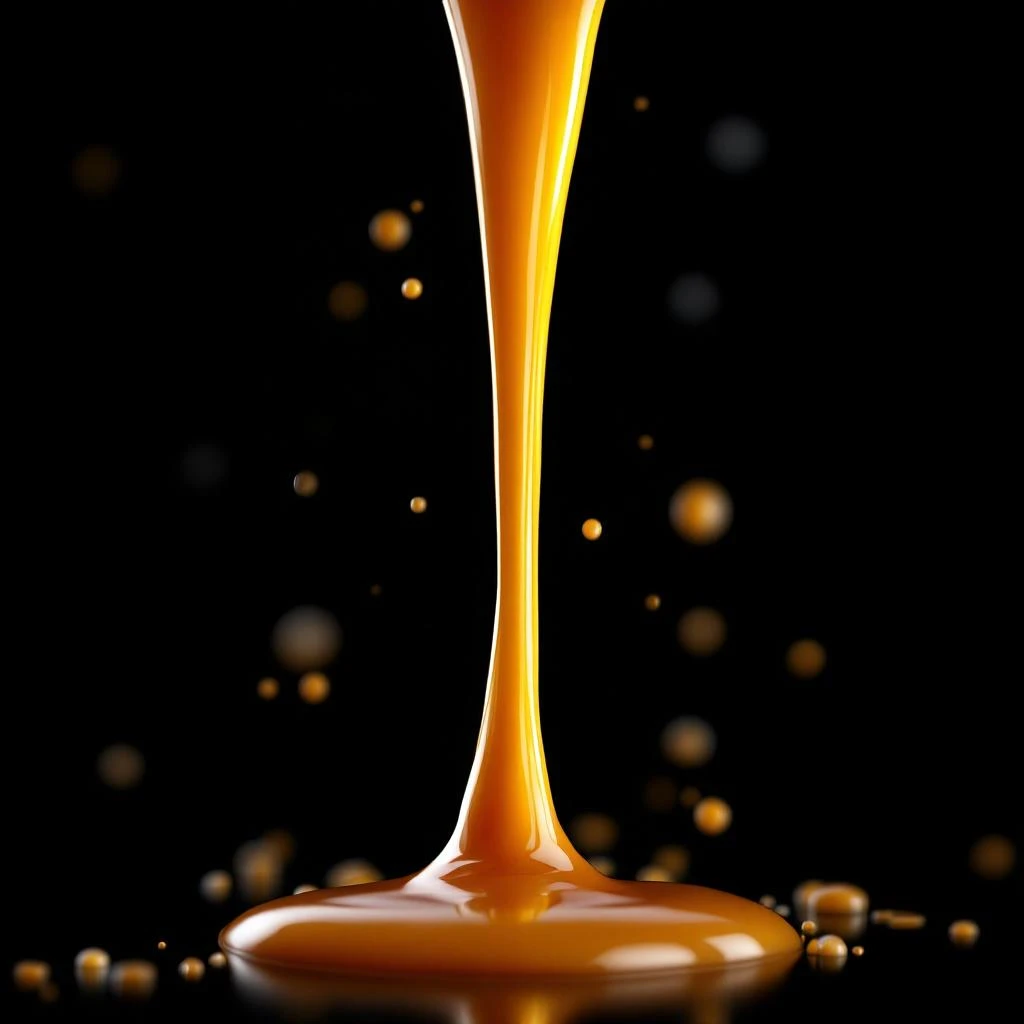
A warm, sweet accord of honey-drenched pastry, roasted pistachios, and golden nuts. This edible-inspired note captures the essence of Middle Eastern confectionery in a bottle.
Character
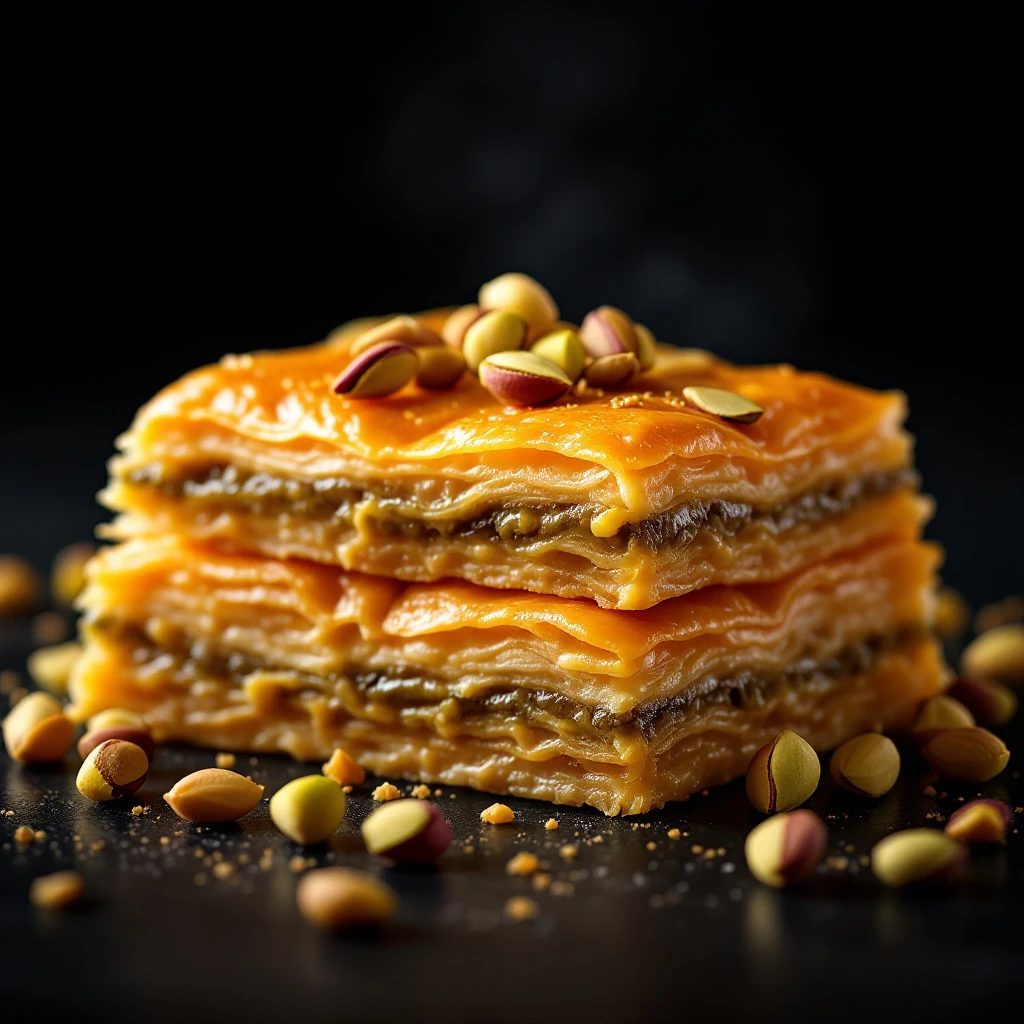
How it smells
Sweet, nutty, and irresistibly warm.
Baklava combines honey and nuts, two ingredients that have flavored human creations for over 4,000 years.



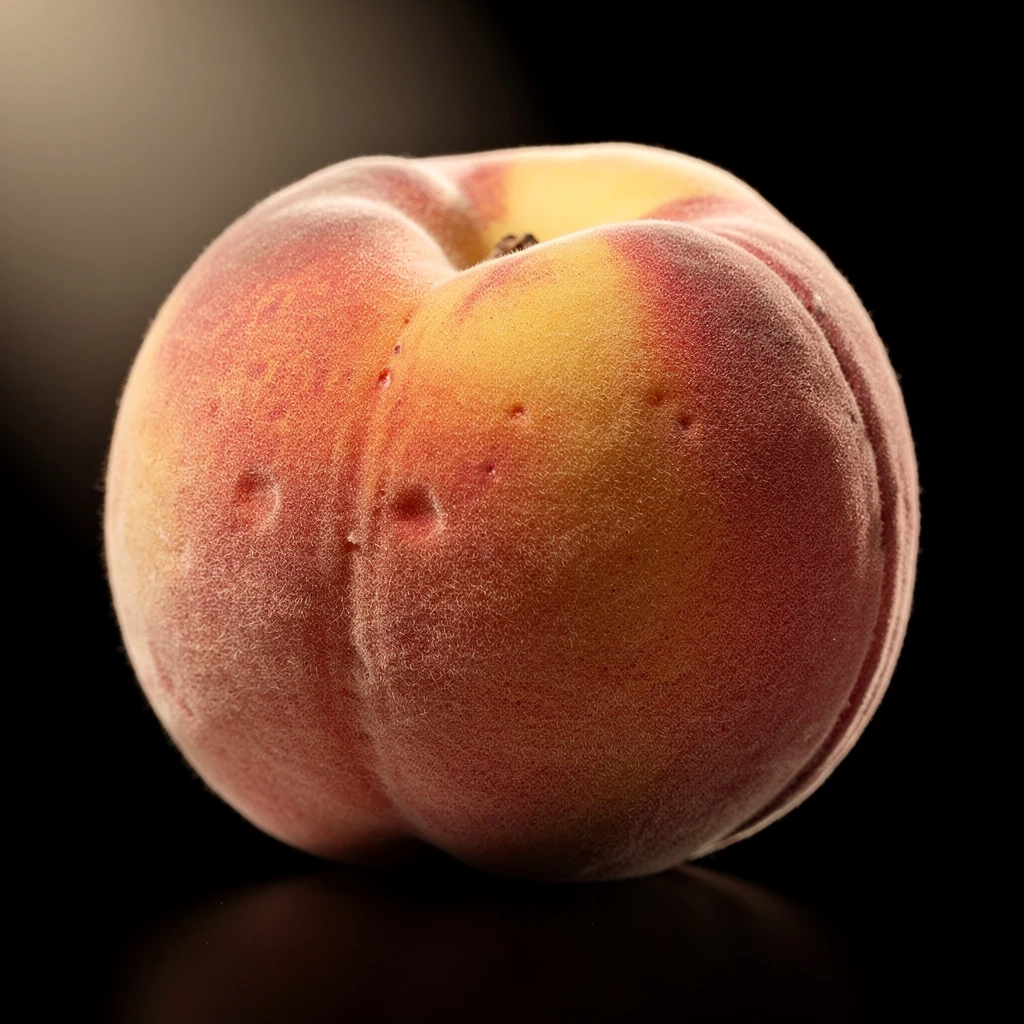
Origin
Turkey
Baklava as a confection has roots in ancient Mesopotamia, where honey and nuts appeared together in ritual sweets as early as the 2nd millennium BCE. The layered pastry format likely developed in Ottoman imperial kitchens during the 15th century, with the Topkapi Palace kitchens documented as centers of pastry refinement. Greeks, Turks, Arabs, and Persians all claim historical connections to the recipe, reflecting how culinary knowledge moved freely across the Mediterranean and Middle East.
The name itself likely derives from Turkish, though similar confections appeared throughout the region. Regional variations emerged based on local nut harvests, honey varieties, and spice traditions, making baklava not a single recipe but a family of related sweets that span from Greece to Iran.
Wears it best
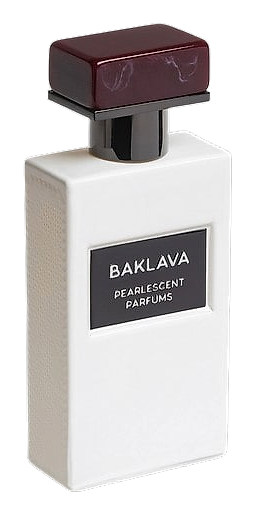
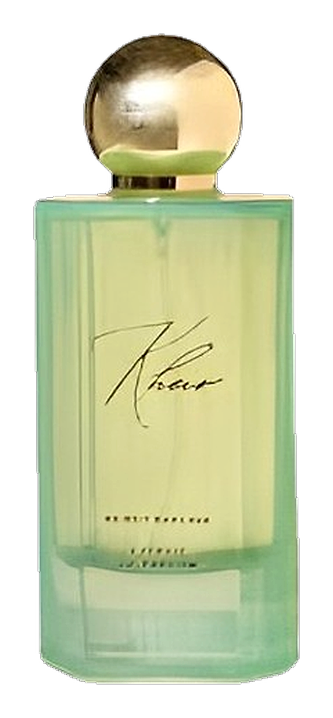
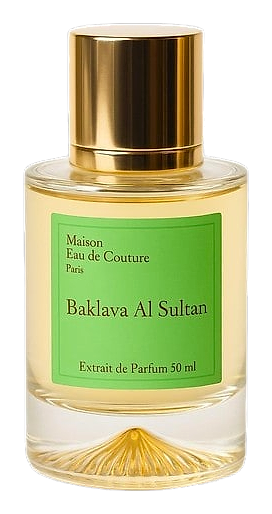
Fragrances featuring Baklava
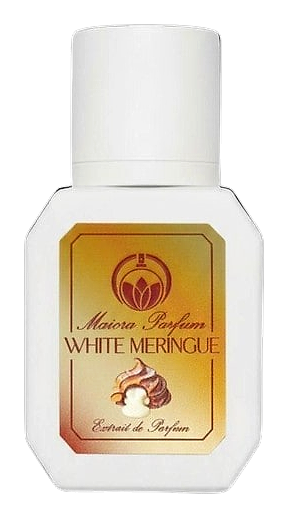
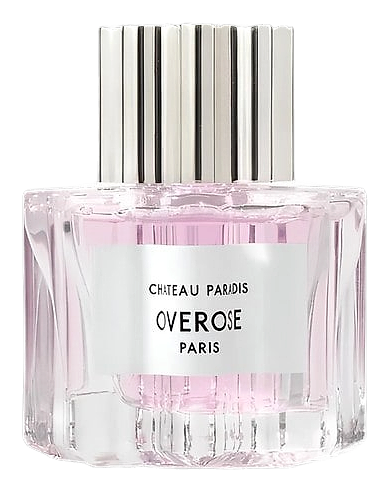

Brands
Brands known for Baklava
Good to know
Questions, answered
The essentials on Baklava in perfumery: how it smells, where it comes from, and how it behaves on skin.
What does baklava smell like as a fragrance note?
Baklava reads as warm, sweet, and nutty. Expect honey sweetness, roasted nut depth, and subtle pastry warmth with faint spice. The effect is edible and comforting.
What nuts does baklava fragrance use?
Primary nut notes come from pistachio, walnut, and almond accord molecules. Each contributes distinct character: pistachio brings brightness, walnut adds earthiness, almond provides sweetness.
Where does the honey note come from in baklava fragrance?
Honey notes in synthetic baklava accords derive from aromatic compounds like phenylacetaldehyde and phenylacetic acid, which replicate the waxy-sweet quality of real honey.
What is the historical origin of baklava?
Baklava traces to ancient Mesopotamia where honey and nut sweets appeared around 2000 BCE. The layered pastry format developed during the Ottoman Empire, with regional variations spreading across the Mediterranean.
Does baklava fragrance use natural ingredients?
Baklava fragrances typically combine natural and synthetic materials. Natural benzoin or styrax may anchor the accord, while specialized aromatic compounds create honey, nut, and pastry nuances.
What makes baklava a gourmand fragrance note?
Gourmand notes smell like edible things. Baklava qualifies because it replicates a dessert, offering an immediate, recognizable food-associated aroma rather than an abstract floral or woody scent.
Which countries influence baklava fragrance composition?
Turkish, Greek, Persian, and Levantine traditions all shape the scent. Regional variations in nuts, honey type, and added spices create subtly different fragrant expressions.
How do perfumers recreate baklava aroma?
Perfumers layer aromatic molecules that mimic each component. Phenylacetaldehyde handles honey, coumarin handles nuttiness, massoia lactone handles buttery pastry, and cinnamaldehyde adds warm spice.