Atemoya Blossom
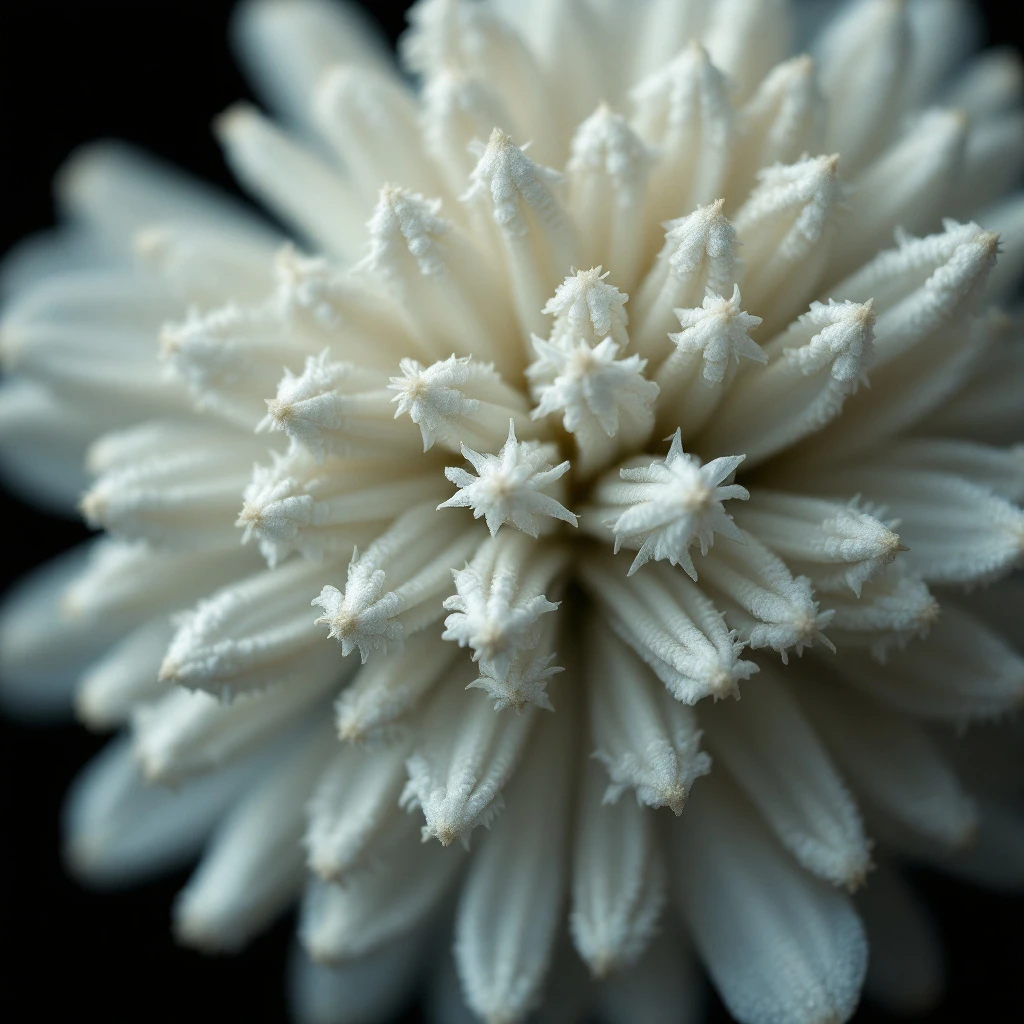
A rare tropical blossom born from the custard apple family, atemoya flower carries a creamy, fruit-sweet aroma that bridges exotic florals and sun-warmed nectar.
Character
How it smells
Creamy, sun-warmed, and impossibly fleeting.
Atemoya is itself a hybrid, a 1908 cross between cherimoya and sweetsop created by horticulturist P.J. Wester in Florida, and its blossom is one of the least-captured flowers in modern perfumery.
Pairs beautifully with



Origin
United States
Atemoya traces its origins to a deliberate horticultural experiment. In 1908, American botanist P. J.
Wester crossed the cherimoya with the sweetsop, both Annona relatives native to the Americas, producing a fruit tree whose creamy, tropical flesh eventually gained cult status across Asia, Australia, and Brazil. The blossom, however, entered perfumery consciousness far more quietly. As niche fragrance houses in the 2000s began chasing exotic florals beyond jasmine and rose, several tropical flowers entered the conversation: ylang-ylang frangipani, and eventually atemoya.
Its scarcity keeps it firmly in the territory of artistic, small-batch creations. The flower carries cultural weight in subtropical regions where the tree thrives, particularly in Queensland and the Indian state of Maharashtra, where atemoya flowering signals the onset of warm-season fruiting. Yet documented historical use in fragrance remains thin, a note that exists largely on the frontier of contemporary perfume creation.
Wears it best
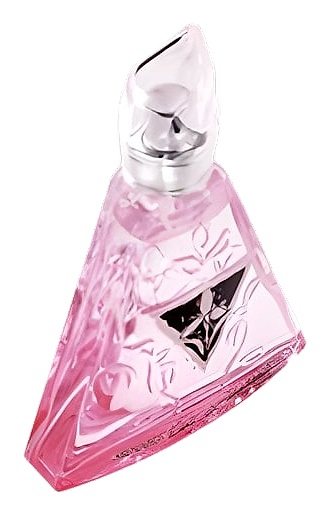
Fragrances featuring Atemoya Blossom
Brands
Brands known for Atemoya Blossom
Good to know
Questions, answered
The essentials on Atemoya Blossom in perfumery: how it smells, where it comes from, and how it behaves on skin.
What does atemoya blossom smell like in perfume?
It carries a creamy, lactonic sweetness layered over soft tropical fruit and faint green notes. The impression reads closer to ripe custard apple than to a traditional white floral, which sets it apart from jasmine or tuberose.
Is atemoya blossom a natural or synthetic perfume ingredient?
Almost always synthetic or reconstructed. Fresh petals yield negligible extractable oil, so perfumers rely on headspace analysis and laboratory-built accords to approximate the scent. True natural atemoya flower absolute is essentially nonexistent commercially.
Where does atemoya originate?
Atemoya was first bred in 1908 in Florida by horticulturist P.J. Wester, a cross between cherimoya and sweetsop. The fruit tree now thrives commercially in Australia, Brazil, Thailand, and parts of India, where the blossoms perfume warm-season evenings.
Why is atemoya blossom so rare in perfumery?
The flowers wilt within hours and release trace aromatics. Conventional steam distillation and solvent extraction both fail to produce viable yields, leaving headspace technology as the only realistic route, an expensive process few houses undertake.
How is atemoya blossom typically recreated in fragrances?
Perfumers build accords using fruity lactones, soft indolic white-flower bases, and green flesh notes. These combinations mimic the creamy, sun-warmed character without requiring any actual petal material.
Which perfumes feature atemoya blossom?
Only a handful of niche and independent creations have used the note, and most appeared after 2015. It remains an uncommon listing rather than a mainstream perfumery staple.
What fragrance families does atemoya blossom suit?
It works naturally within tropical and fruity-floral compositions, where its creamy sweetness bridges gourmand and floral territories. It can also anchor exotic white-floral bouquets seeking a less conventional character.
Is atemoya blossom the same as cherimoya flower?
No. Cherimoya and sweetsop are the parent species; atemoya is their hybrid offspring. Each produces distinct flowers with subtly different aromatic profiles, though all three share the family's soft, fruity-floral signature.




