Aspic
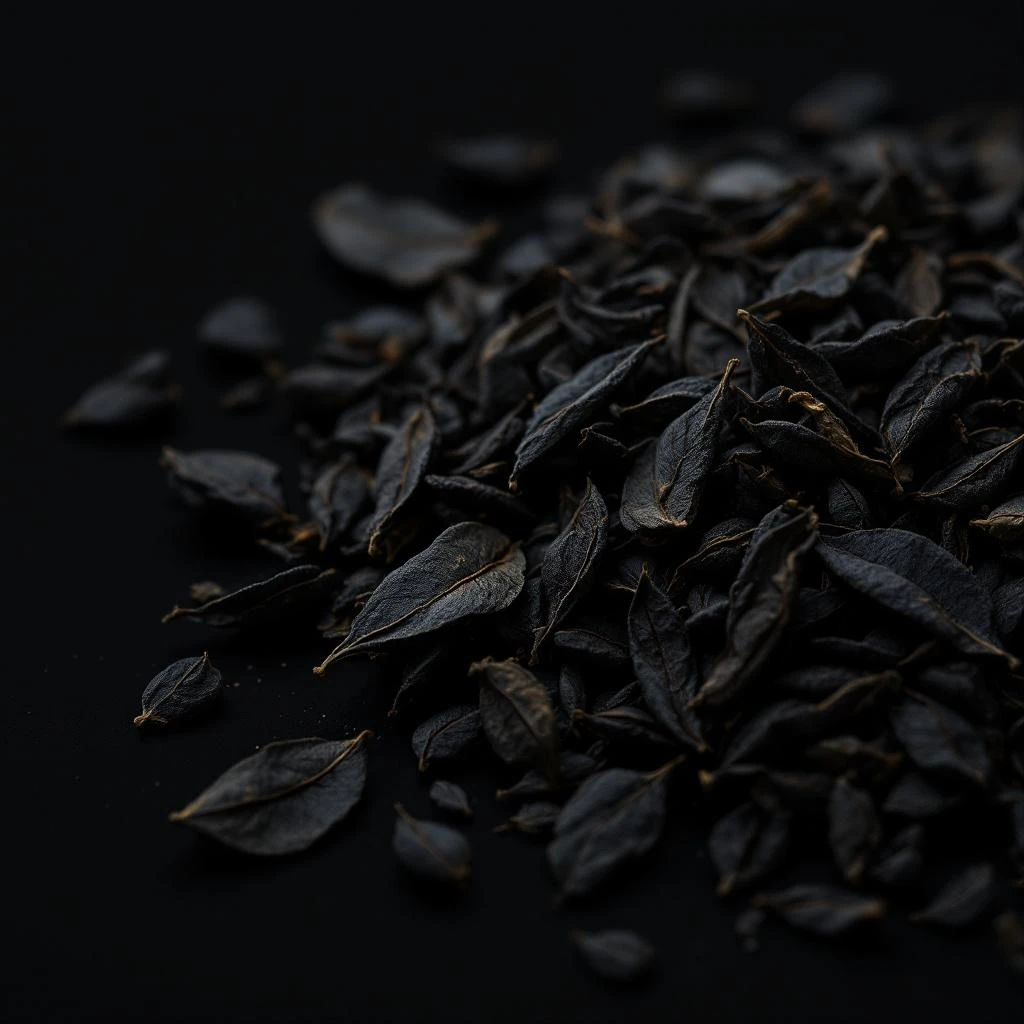
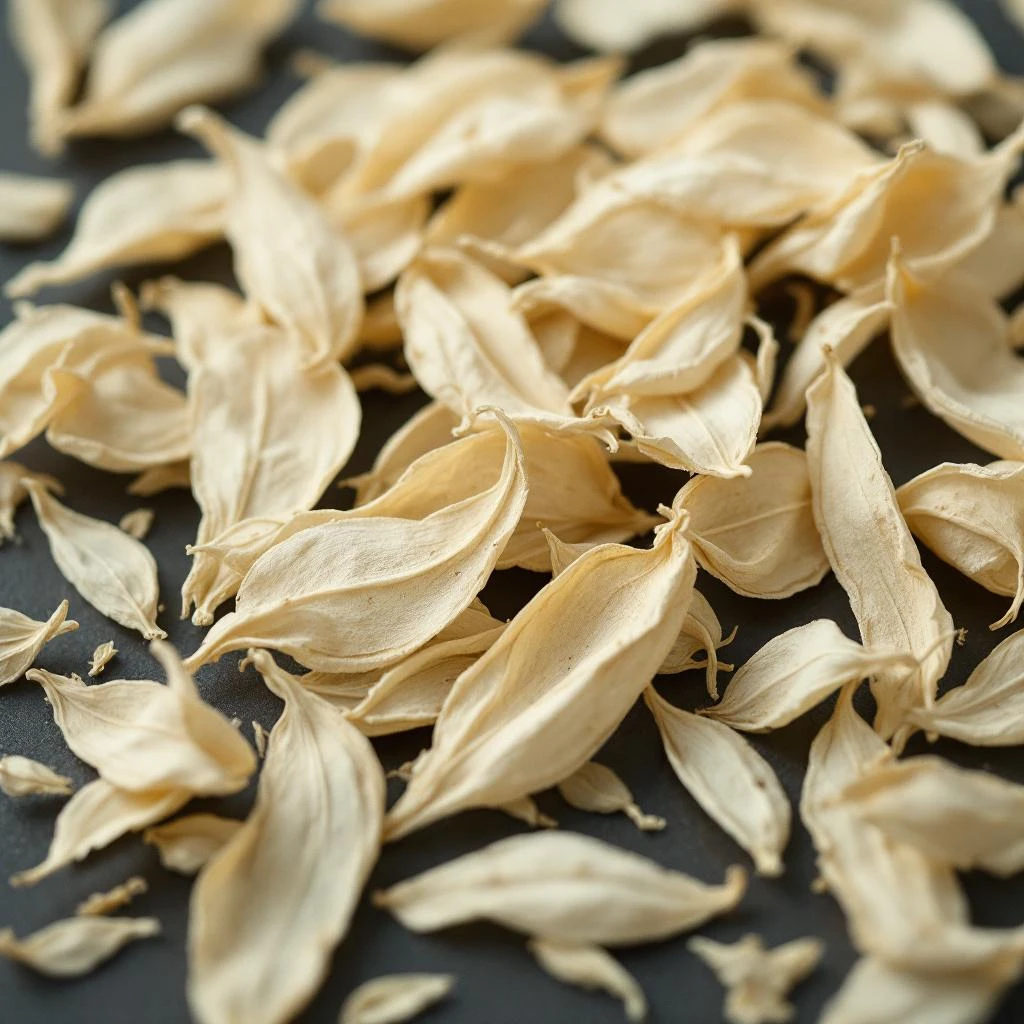
An uncommon aromatic note with herbaceous, slightly floral-green character, once prized in classical perfumery for lifting compositions with subtle freshness beneath rose and herbal accords.

Character
How it smells
Green depth from an almost forgotten bloom
Aspic oil once flavored English cordials and culinary sauces long before perfumers adopted its cold-pressed floral-green essence for luxury fragrance compositions.

Origin
France
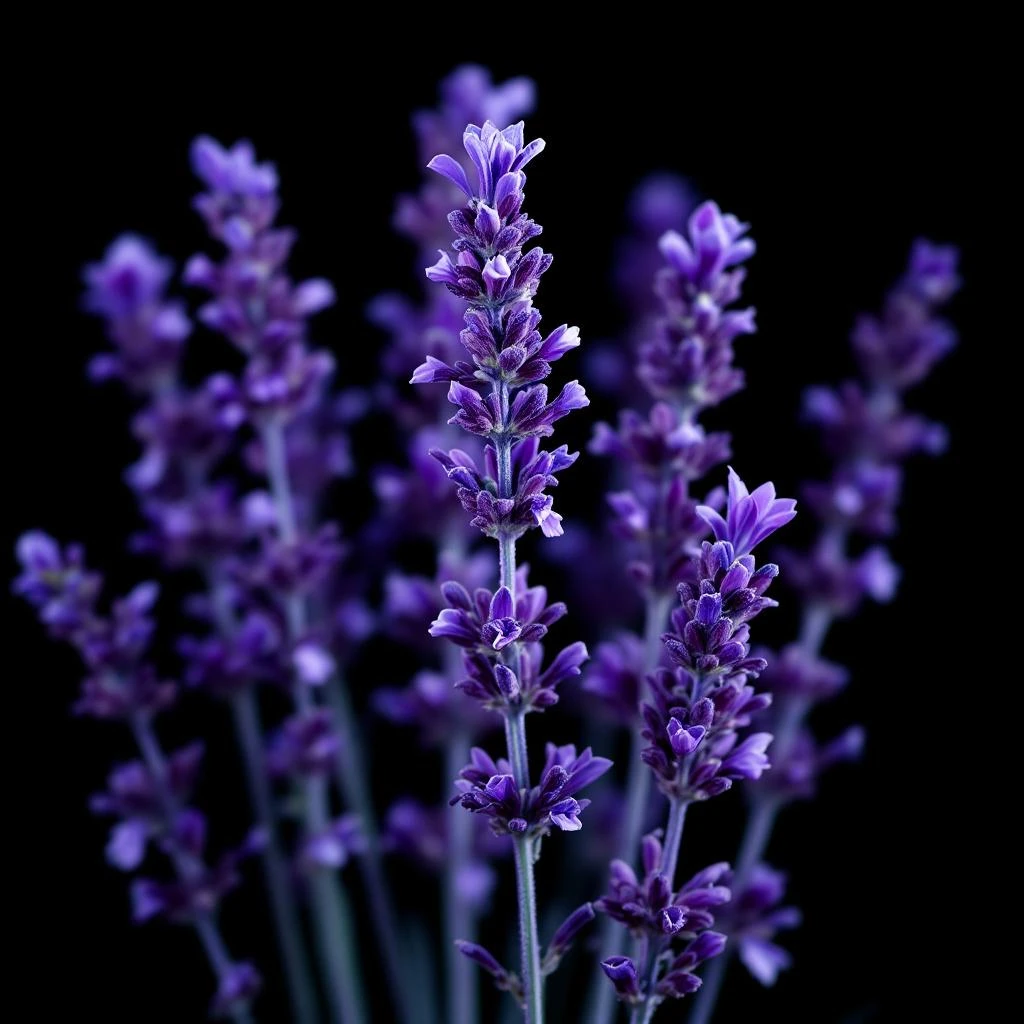
The name Aspic traces back to a French Provençal word for spikenard, later conflated with spike lavender during the 17th century when herbalists grouped wild Mediterranean aromatics together. Apothecaries in Provence and Catalonia prized aspic alongside rosemary and thyme as a household remedy, distilling it into waters sold at markets from Aix-en-Provence to Lyon.
By 1800, French perfumers recognized its aromatic potential beyond medicine, blending aspic into early eau de cologne formulations for an affordable fresh-green top note. Its commercial history shifted when true lavender (Lavandula angustifolia) commanded higher prices; cheaper spike lavender oil remained essential for soaps, colognes, and industrial fragrance blends through the early 20th century.
Modern aromatherapy revival pushed demand again. Today, most aspic originates from Spanish and French cooperatives, where steam stills process wild-harvested biomass annually.
Wears it best
Fragrances featuring Aspic
Brands
Brands known for Aspic
Good to know
Questions, answered
The essentials on Aspic in perfumery: how it smells, where it comes from, and how it behaves on skin.
What does Aspic smell like in fragrance?
Aspic carries a fresh, herbaceous aroma with green-floral brightness and a cooling camphoraceous edge. It smells sharper and more medicinal than true lavender due to higher camphor content.
Is Aspic the same as spike lavender?
Yes. Aspic is the historical perfumery name for Lavandula spica, commonly called spike lavender. The two terms refer to the same plant and oil.
How is Aspic oil extracted?
Steam distillation is the primary method. Cut flowering tops go into copper stills where saturated steam carries volatile aromatics into a condenser. The yield averages 1.5 to 2 percent of plant weight.
Where does Aspic grow naturally?
Wild aspic grows across the Mediterranean basin, especially in Provence (France) and Catalonia (Spain). It favors rocky hillsides between 600 and 1500 meters elevation with full sun exposure.
Is Aspic used in modern perfumery today?
Yes, though less prominently than true lavender. It appears in fougère and herbal masculine compositions, aromatherapy products, and functional fragrances where its cost-effective freshness adds clean green lift.
What is the difference between Aspic and Lavandin?
Aspic is a true wild species with high camphor. Lavandin is a hybrid cross between true lavender and spike lavender, producing more oil per acre but with a heavier, less refined aromatic profile overall.
What chemical compounds define Aspic oil?
Key constituents include linalool (30 to 40 percent), camphor (10 to 20 percent), 1,8-cineole, and borneol. The camphor-linalool balance distinguishes it chemically from true lavender.
Can Aspic be used for aromatherapy?
Yes, traditionally for respiratory support and muscle relaxation. Its higher camphor content makes it more stimulating than calming lavender, so practitioners recommend dilution before topical use.