Asian Wild Rose
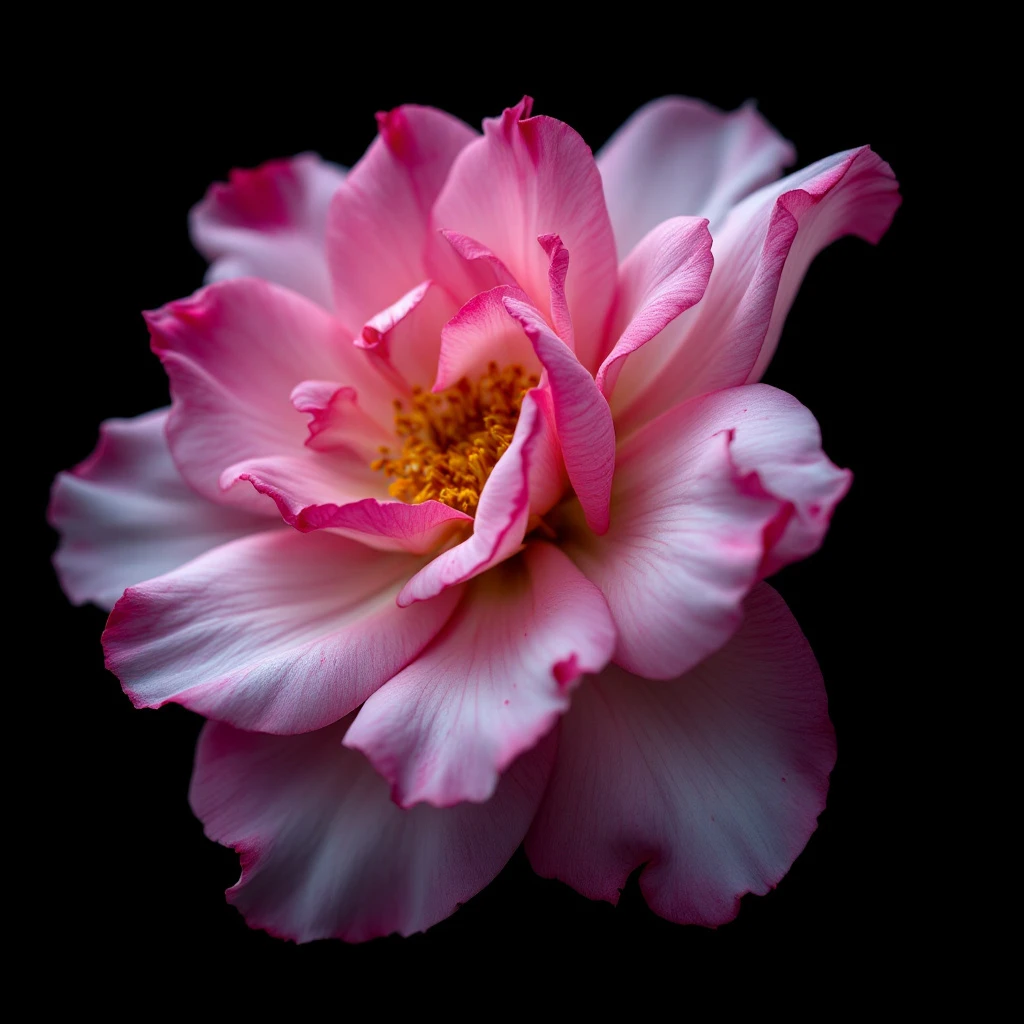
Asian wild rose brings a brighter, greener character to the classic floral profile. Grown across the high plateaus of Central Asia, its petals yield a scent that balances dewy freshness with a subtle, honeyed warmth.
Character
How it smells
Wild, green, and luminous
Fossil records suggest roses have existed for roughly 40 million years, with some of the earliest written references appearing in ancient Chinese and Sanskrit texts.


Origin
China
Roses have anchored perfumery for over four millennia. Fossil evidence places the genus Rosa at roughly 40 million years old, and some of the earliest written references appear in Chinese and Sanskrit texts dating back thousands of years. Rose oil production itself likely originated in ancient Persia, where the earliest documented distillation techniques emerged.
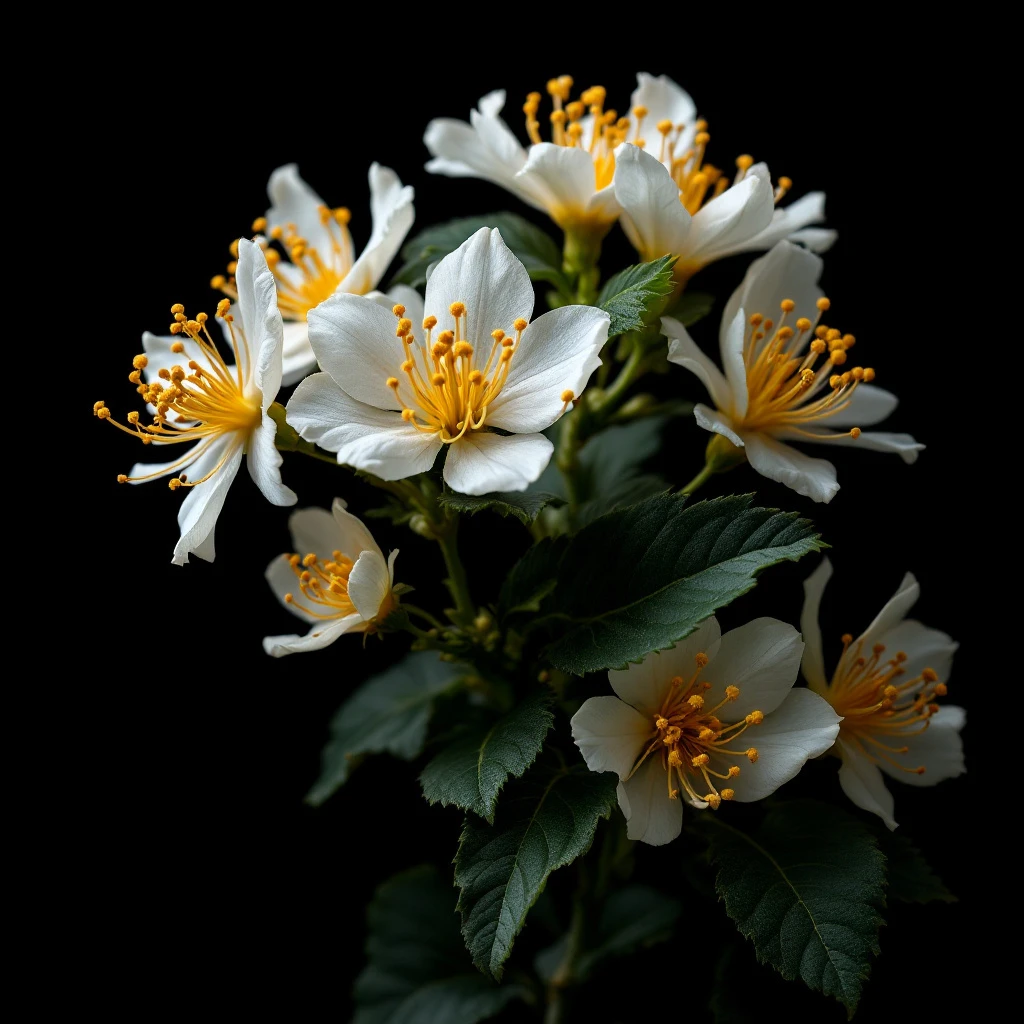
From there, the practice spread westward through Arab and Berber communities, eventually reaching Morocco's Valley of Roses and the fields surrounding Grasse, France. While most modern rose perfumery centers on the Damask rose cultivated in Bulgaria, Turkey, and Morocco, the wild-growing Asian varieties carry their own lineage. These hardy species, native to the mountainous regions of China, the Himalayas, and parts of Central Asia, represent the rose in its most unrefined state.
Their inclusion in contemporary fragrances reflects a renewed interest in botanical authenticity and the raw, unmanipulated character of plants that grow without cultivation.
Wears it best
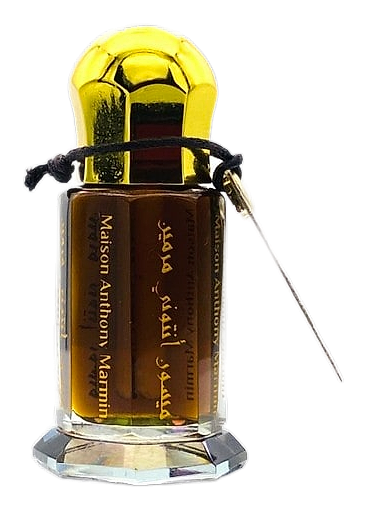
Fragrances featuring Asian Wild Rose
Brands
Brands known for Asian Wild Rose
Good to know
Questions, answered
The essentials on Asian Wild Rose in perfumery: how it smells, where it comes from, and how it behaves on skin.
Why is it called a wild rose?
The term distinguishes it from domesticated varieties like Damask or Centifolia. Asian wild rose grows uncultivated in its native habitat, which gives its oil a more raw, untamed aromatic profile.





