Japanese Osmanthus
A rare floral ingredient with an unexpected duality: ripe apricot flesh meets worn suede. Japanese osmanthus carries the warmth of autumn in its petals, a treasure still underutilized in Western perfumery.
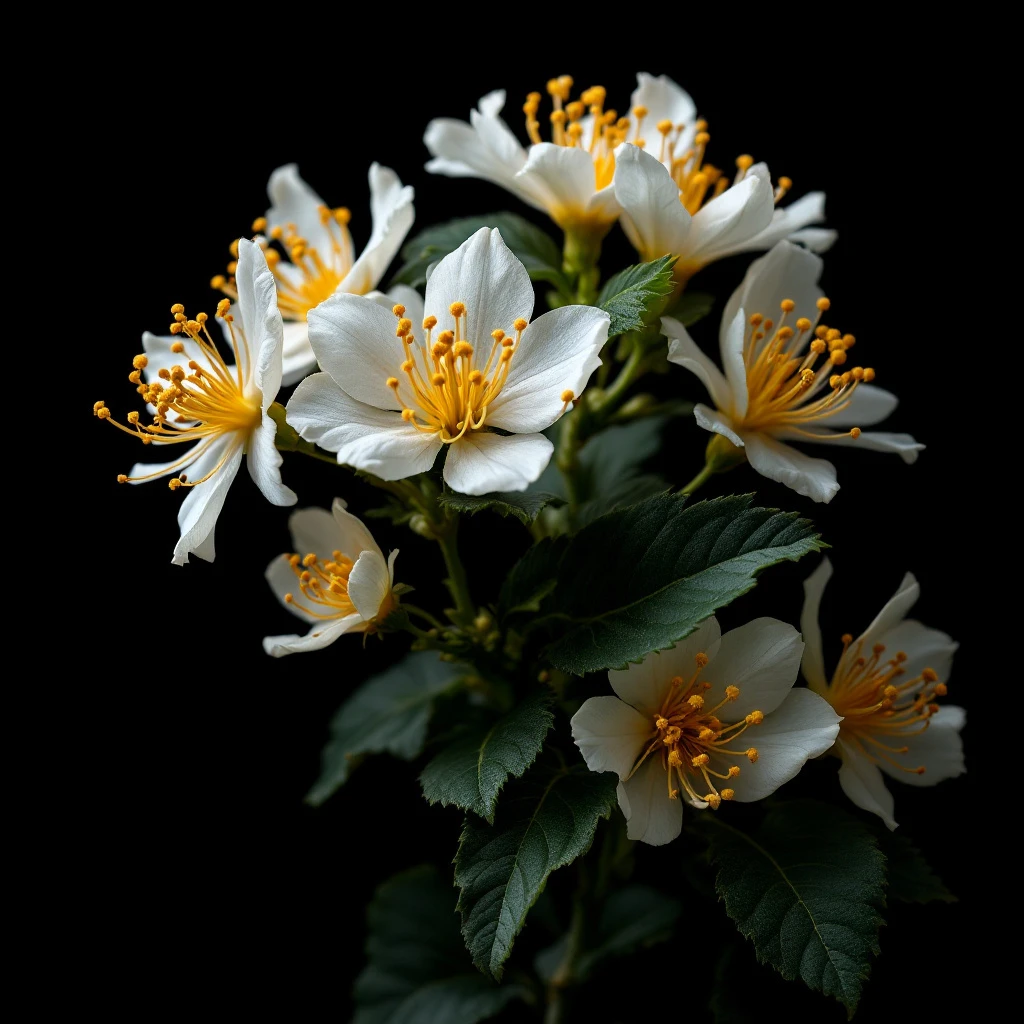
Character
How it smells
Apricot skin meets worn suede — autumn's rarest bloom.
Over 50,000 osmanthus flowers yield just one kilogram of absolute, making it one of perfumery's rarest naturals.


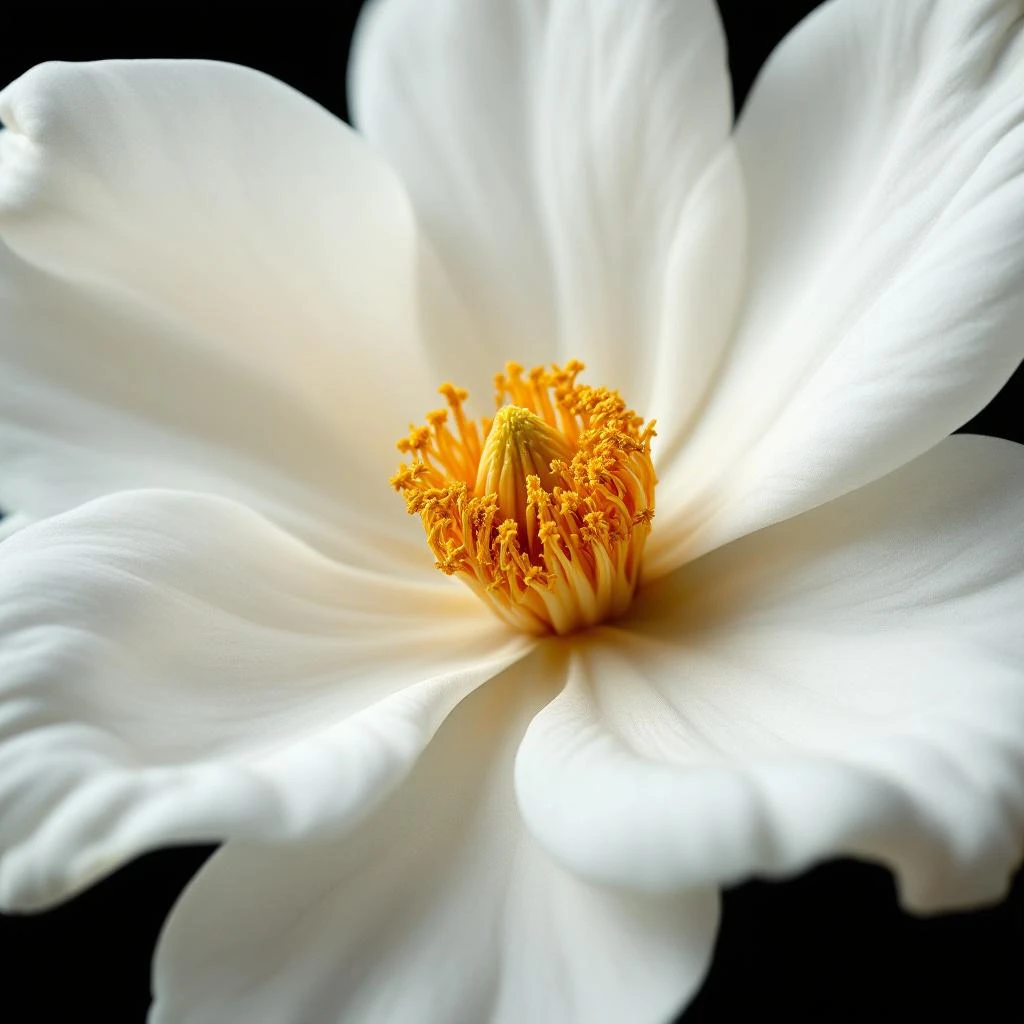




Origin
China
Chinese cultivation of osmanthus dates back more than 2,000 years. Historical records place this flower among the ten traditional court flowers of the Tang Dynasty, grown in imperial gardens for ceremonial purposes. Chinese tea masters prized osmanthus blossoms for scenting premium teas, a practice that continues today in provinces like Guangxi and Hubei.
The flower reached Japan during the Edo period through maritime trade, and Japanese nobility quickly adopted it as a symbol of refinement. Gardens at imperial palaces featured osmanthus trees, and the flower appeared frequently in poetry as a marker of cultivated taste. Western perfumery only began incorporating osmanthus in significant quantities during the late 20th century.
Even now, the ingredient remains rare outside niche and artisanal fragrance houses.
Wears it best
Fragrances featuring Japanese Osmanthus
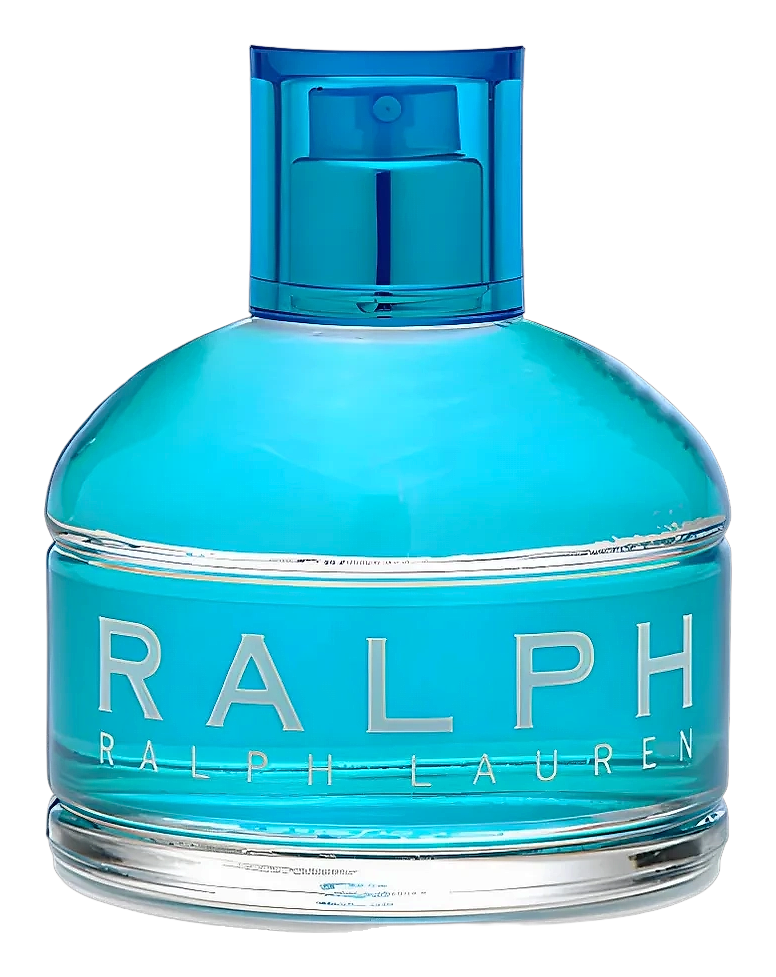

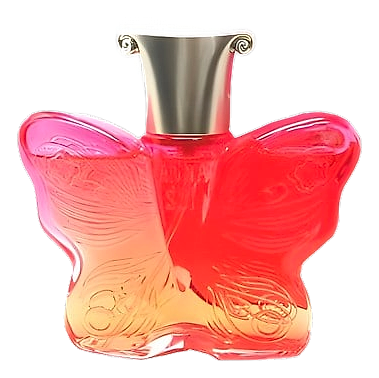
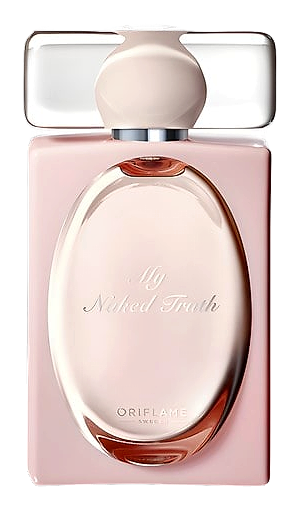
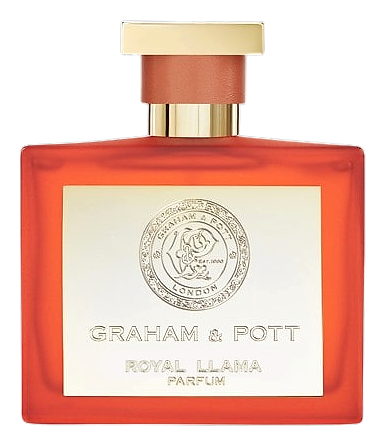
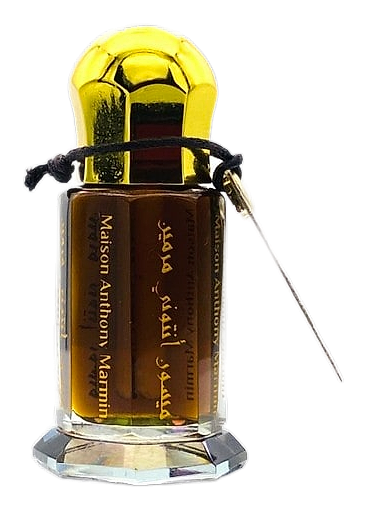
Brands
Brands known for Japanese Osmanthus
Good to know
Questions, answered
The essentials on Japanese Osmanthus in perfumery: how it smells, where it comes from, and how it behaves on skin.
What does Japanese osmanthus smell like?
It smells like ripe apricot skin wrapped in worn suede. The fruitiness feels jammy and natural while a soft, powdery leather note grounds the sweetness. This apricot-suede duality defines the osmanthus experience.
Is osmanthus a natural or synthetic ingredient?
Natural osmanthus absolute exists but costs around four figures per kilogram. Synthetic reconstructions attempt to capture the apricot-suede character. Most mainstream fragrances use the synthetic version due to scarcity.
Where does osmanthus grow?
Osmanthus fragrans originates from Eastern Asia. China produces most of the global supply through provinces like Guangxi and Hubei. Japan cultivates it primarily for ornamental and ceremonial use.
What type of fragrance features osmanthus?
Osmanthus functions as a heart note in modern niche and luxury fragrances. Its warmth makes it compatible with other florals, musks, and woody bases. It appears most often in autumn and winter collections.
How is osmanthus harvested?
Workers hand-pick flowers at dawn during the short autumn bloom. Timing matters enormously. Picking too early or too late degrades the aromatic quality of the fragile blossoms.
Why does osmanthus cost so much?
Yield is extremely low. Roughly one ton of osmanthus blossoms yields a single kilogram of absolute. This conversion ratio explains why wholesale prices can exceed several thousand dollars per kilogram.
What cultural significance does osmanthus hold?
In China, osmanthus symbolizes nobility and intellectual achievement. The city of Guilin hosts annual osmanthus festivals celebrating over 2,000 years of cultural heritage tied to this flower.
Can osmanthus be layered with other ingredients?
It pairs naturally with complementary florals like jasmine and rose. The apricot note also harmonizes with leather, sandalwood, and musks. Blending at low concentrations preserves its characteristic suede softness.