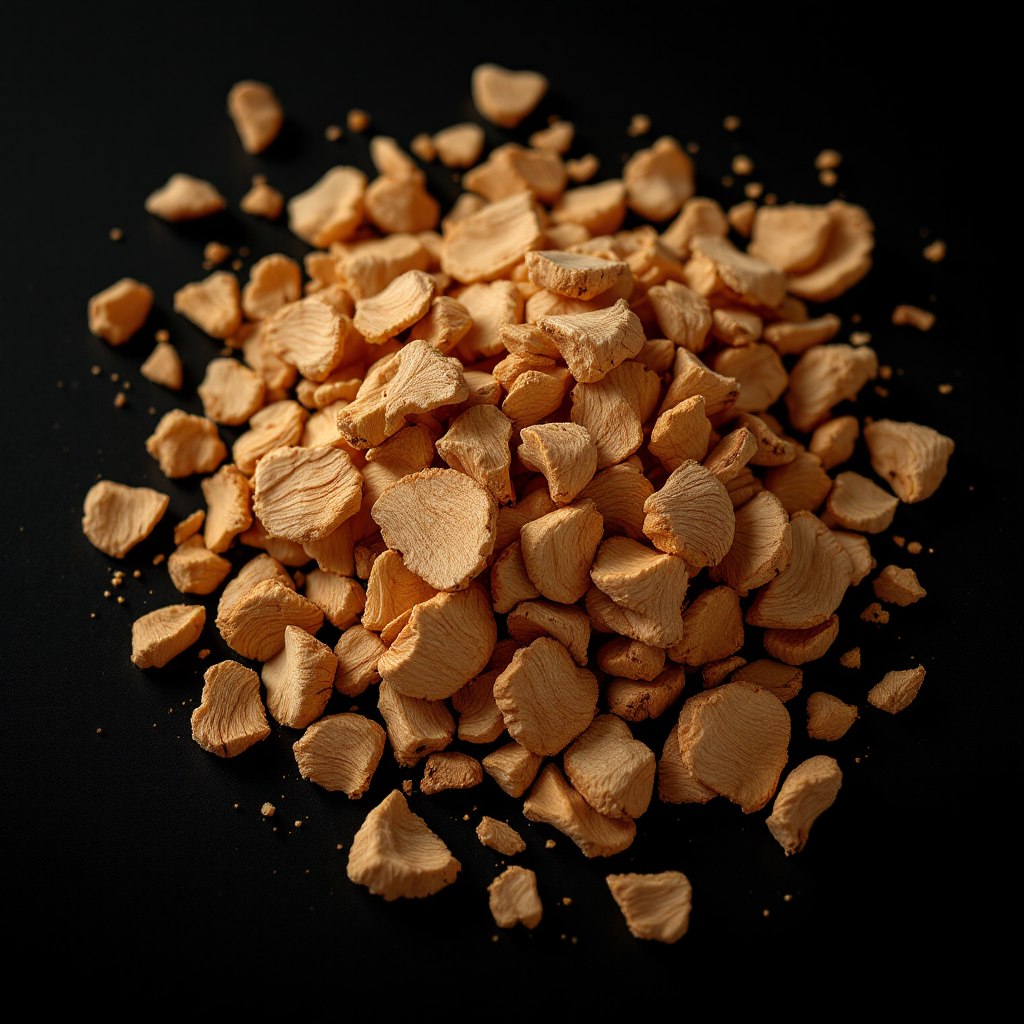
Argentinian Gaiac Wood
Guaiac wood from the wild forests of Argentina and Paraguay delivers a complex aromatic profile that bridges medicinal earthiness with soft, smoky warmth. A perfumer's treasure for adding depth and longevity to compositions.
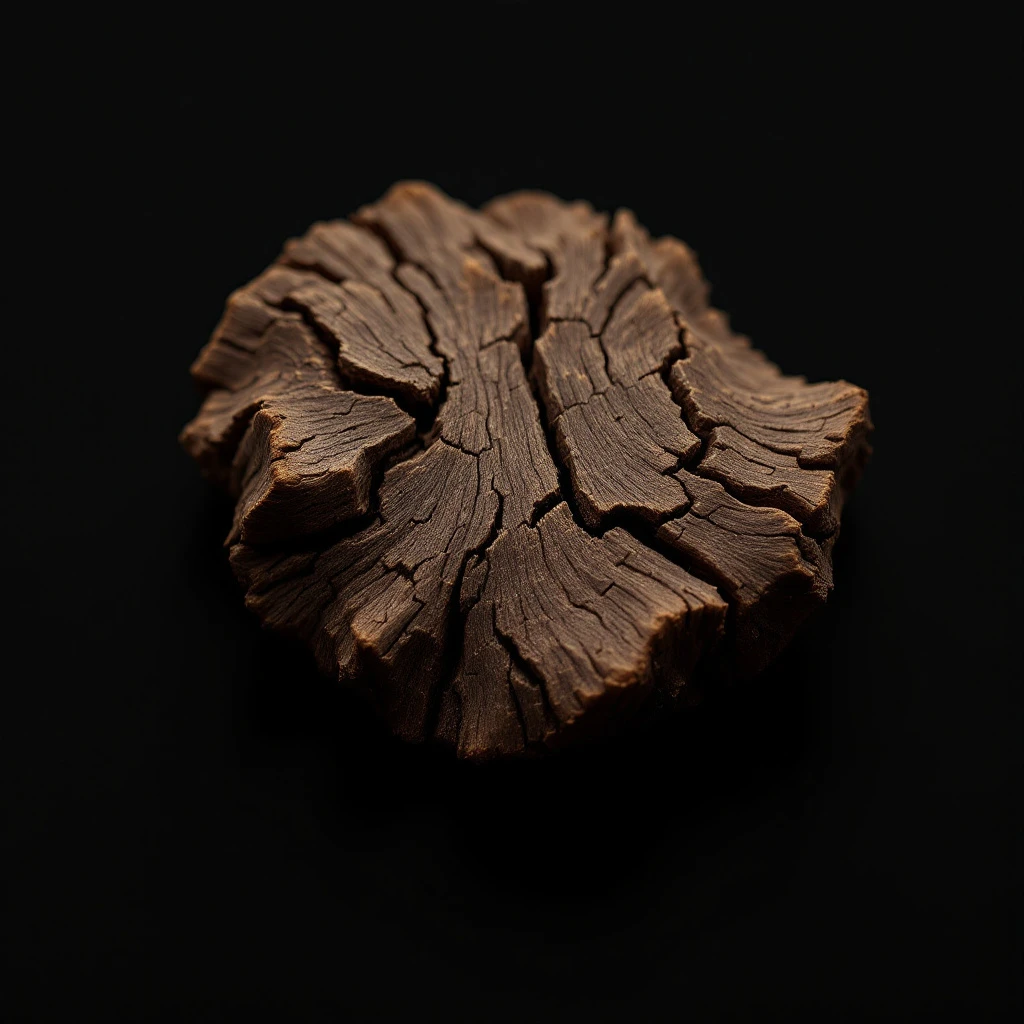
Character
How it smells
Earthy, smoky, and mysteriously warm.
Native Americans used guaiac wood medicinally for centuries before European colonizers brought it to perfumery in the 18th century.


Origin
Argentina
Indigenous peoples across South America employed guaiac wood for its therapeutic properties since at least the 16th century, using it to treat inflammatory conditions and respiratory ailments. Spanish colonizers encountered the wood and began exporting it to Europe, where it gained popularity in medicinal tonics before transitioning to perfumery applications.
By the 19th century, European fragrance houses had adopted guaiac wood as a valued base note, prized for its ability to anchor lighter top notes and add complex depth to compositions. Today, the wild-harvested guaiacum trees of Argentina and Paraguay continue supplying the global fragrance industry with this treasured material, maintaining a centuries-old tradition of aromatic craftsmanship.
Wears it best
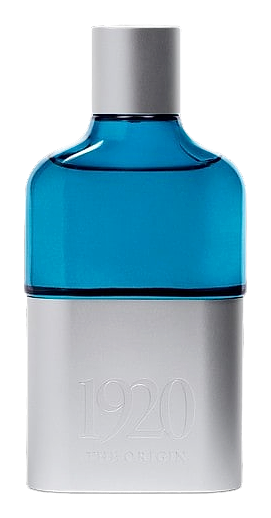
Fragrances featuring Argentinian Gaiac Wood
Brands
Brands known for Argentinian Gaiac Wood
Good to know
Questions, answered
The essentials on Argentinian Gaiac Wood in perfumery: how it smells, where it comes from, and how it behaves on skin.
What does Argentinian guaiac wood smell like?
Guaiac wood offers a distinctive woody aroma with medicinal, smoky, and slightly sweet balsamic qualities. It differs from cedar through its warmer, more complex character and lacks sandalwood's creamy sweetness.
Is guaiac wood a sustainable ingredient?
Guaiacum trees grow wild across South America, making responsible sourcing critical. Sustainable harvesting practices ensure long-term availability while protecting natural populations from overharvesting.
Can guaiac wood be replicated synthetically?
Synthetic alternatives like guaiacwood CO2 exist, but natural guaiac wood oil provides superior olfactory complexity. The natural version contains dozens of trace compounds that synthetic versions cannot fully replicate.
What fragrance families use guaiac wood?
Guaiac wood appears primarily in woody, aromatic, and fougere compositions. It also features in chypre and certain oriental fragrances where its warm, medicinal character adds depth to the base.
How does guaiac wood perform as a fixative?
Guaiac wood serves as an effective fixative, helping fragrances maintain their character on skin throughout the day. Its molecular structure slows the evaporation of lighter companion notes.
What complementary ingredients pair well with guaiac wood?
Guaiac wood pairs naturally with vetiver, sandalwood, cedar, and other woody materials. It also complements amber, vanilla, and spices like cardamom in oriental compositions.
How long has guaiac wood been used in perfumery?
European perfumery adopted guaiac wood by the 1800s, though indigenous peoples of South America had used it aromatically for centuries before colonial contact introduced it to the global fragrance trade.
Does guaiac wood work in both masculine and feminine fragrances?
Guaiac wood adapts across gender boundaries. Its complex profile suits masculine woody compositions while also adding mysterious depth to feminine chypre and oriental fragrances.