Arabian Moringa
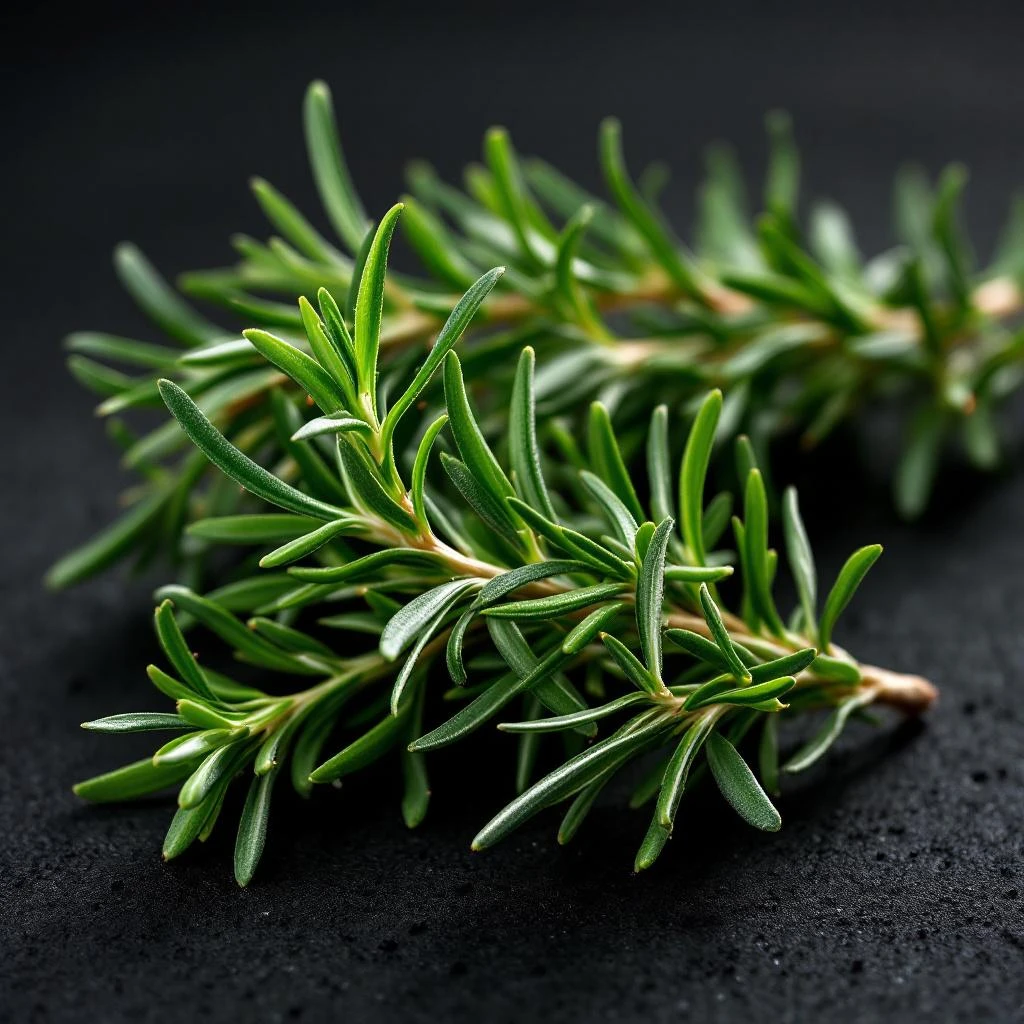
Arabian Moringa delivers a subtle, waxy-green freshness prized in Middle Eastern perfumery as a natural fixative that extends the life of precious attars.
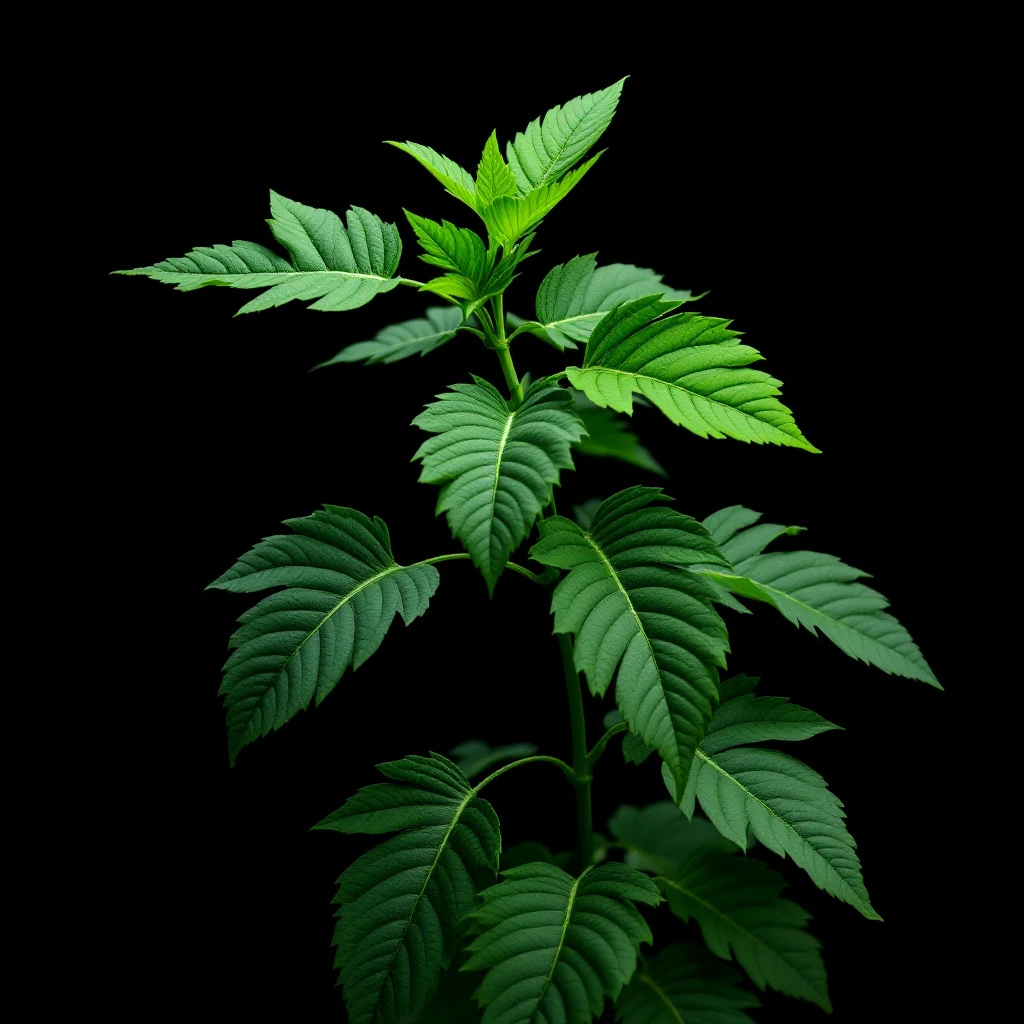
Character
How it smells
Ancient seed, modern fixative.
Ancient Egyptians used moringa oil in their cosmetics and as a stable base for blending heavier aromatics.





Origin
India
The Moringa tree traveled ancient trade routes from India to the Arabian Peninsula, where Arabian perfumers adopted it as a fixative agent centuries ago. Middle Eastern fragrance traditions favored ingredients that could extend the fleeting notes of precious attars, and moringa seed oil fit this requirement perfectly. The ancient Egyptians also valued moringa, using it in their cosmetics and temple preparations.
Historical texts from the medieval Islamic world reference moringa as a perfume base, particularly in Yemen and Oman where the tree flourished in coastal regions. This ingredient represents how Arabian perfumery built upon Indian botanical knowledge while developing distinctly regional application methods.
Wears it best
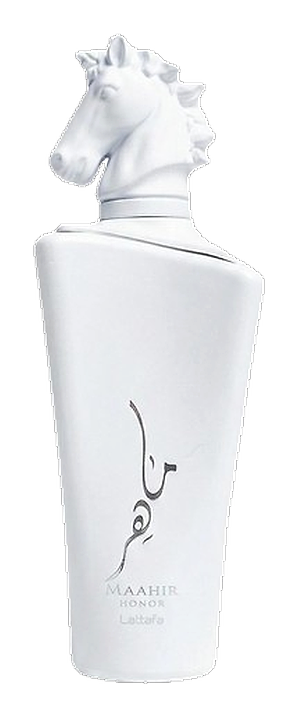
Fragrances featuring Arabian Moringa
Brands
Brands known for Arabian Moringa
Good to know
Questions, answered
The essentials on Arabian Moringa in perfumery: how it smells, where it comes from, and how it behaves on skin.
What does Arabian Moringa smell like?
Arabian Moringa has a subtle, waxy-green aroma with faint nutty and slightly sweet undertones. It functions primarily as a fixative rather than a prominent scent note.
Is Arabian Moringa used as a fixative?
Yes, moringa seed oil excels as a natural fixative in perfumery. It slows the evaporation of more volatile aromatic compounds, extending a fragrance's longevity on skin.
Where does Arabian Moringa originate?
Moringa oleifera originated in northern India and spread through trade routes to the Arabian Peninsula, where Arabian perfumers integrated it into traditional attar-making.
How is moringa oil extracted for perfumery?
Cold pressing extracts moringa seed oil without heat, preserving delicate aromatic molecules. Seeds are mechanically pressed at temperatures below 27 degrees Celsius.
What part of the moringa plant is used in fragrance?
Fragrance production uses the seeds of the moringa tree. The seeds yield ben oil, prized since antiquity for its stability and fixative properties.
Does Arabian Moringa have historical significance in perfume?
Medieval Arabian perfumers used moringa oil in their compositions. Ancient Egyptian cosmetic recipes also reference moringa as a base for blended fragrances.
Can moringa oil be blended with other ingredients?
Moringa oil blends well with attars and essential oils, serving as a stable carrier that preserves the aromatic profile of more volatile companion ingredients.
Is Arabian Moringa sustainable to source?
The moringa tree grows rapidly and produces abundant seeds annually, making it a renewable resource. One mature tree can generate up to 1,000 seed pods per year.



