Apricot Sorbet
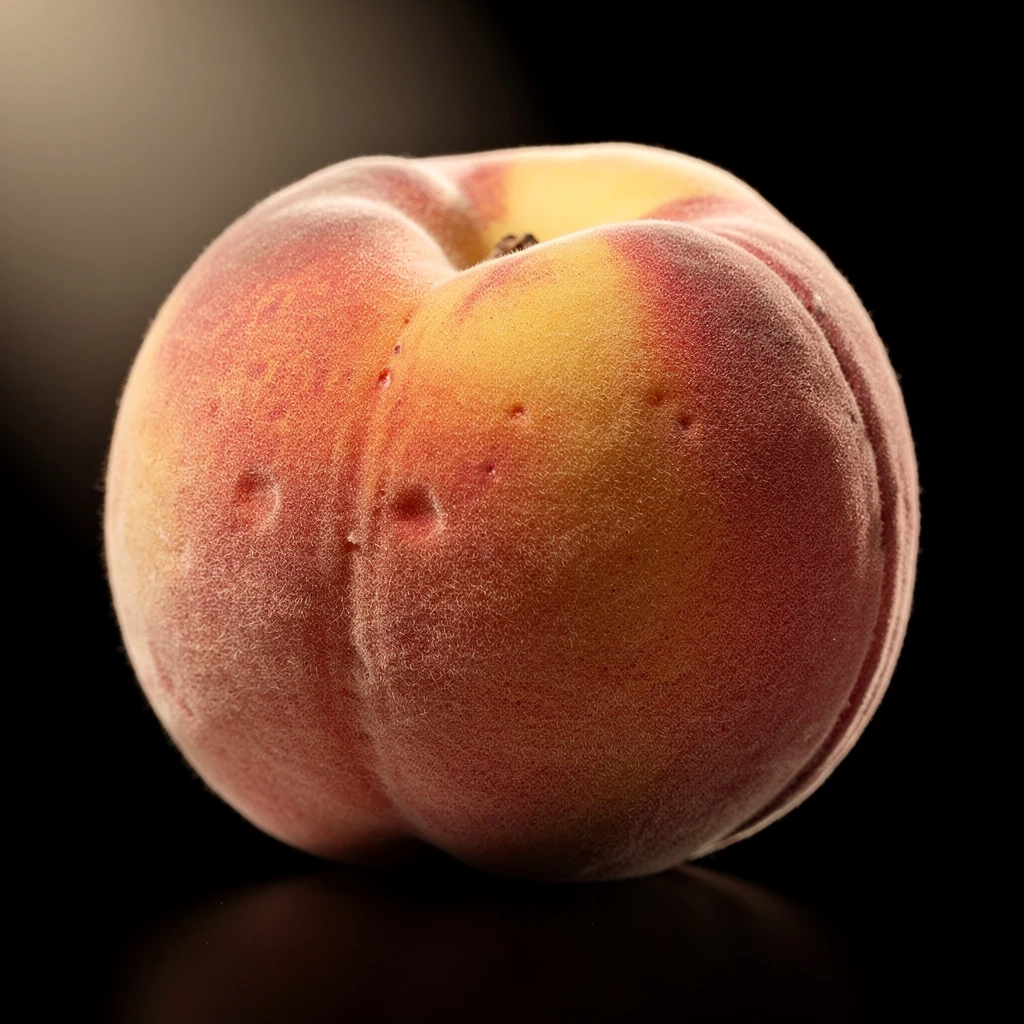
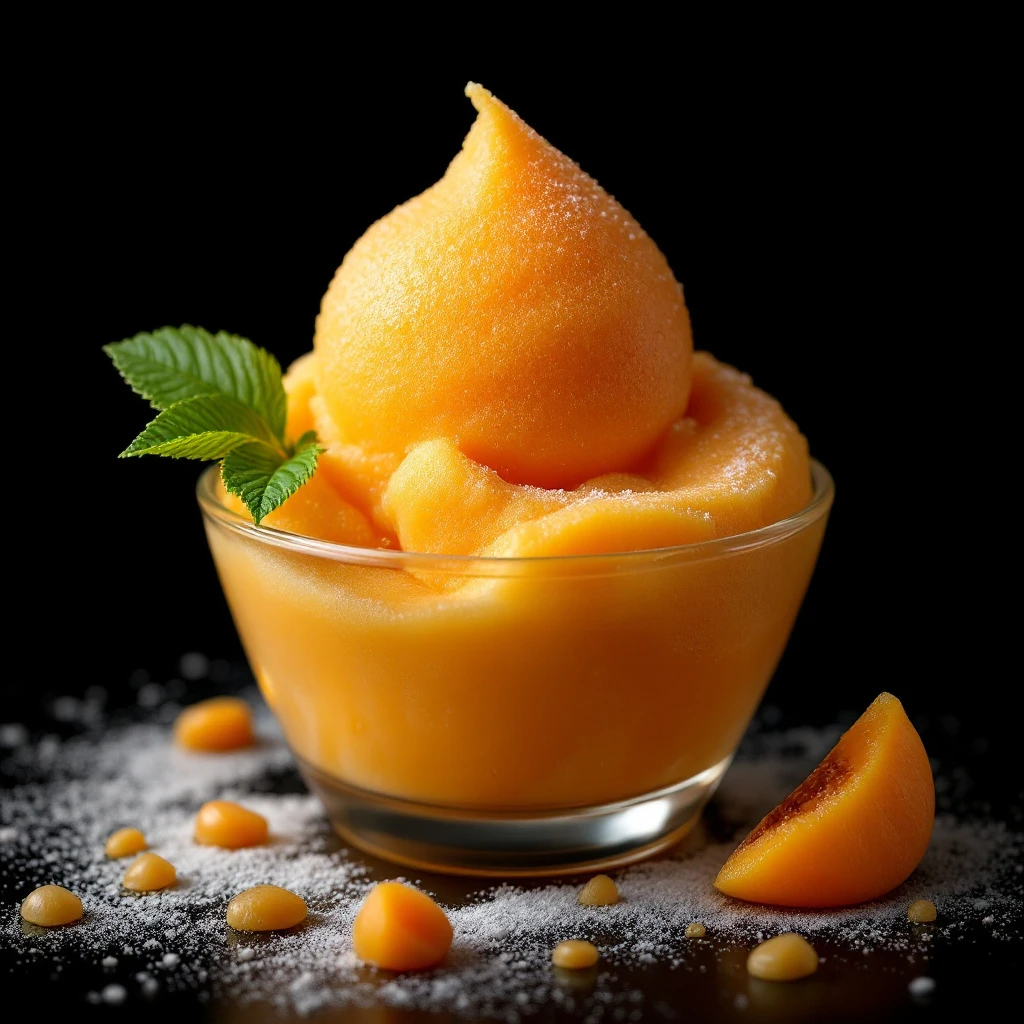
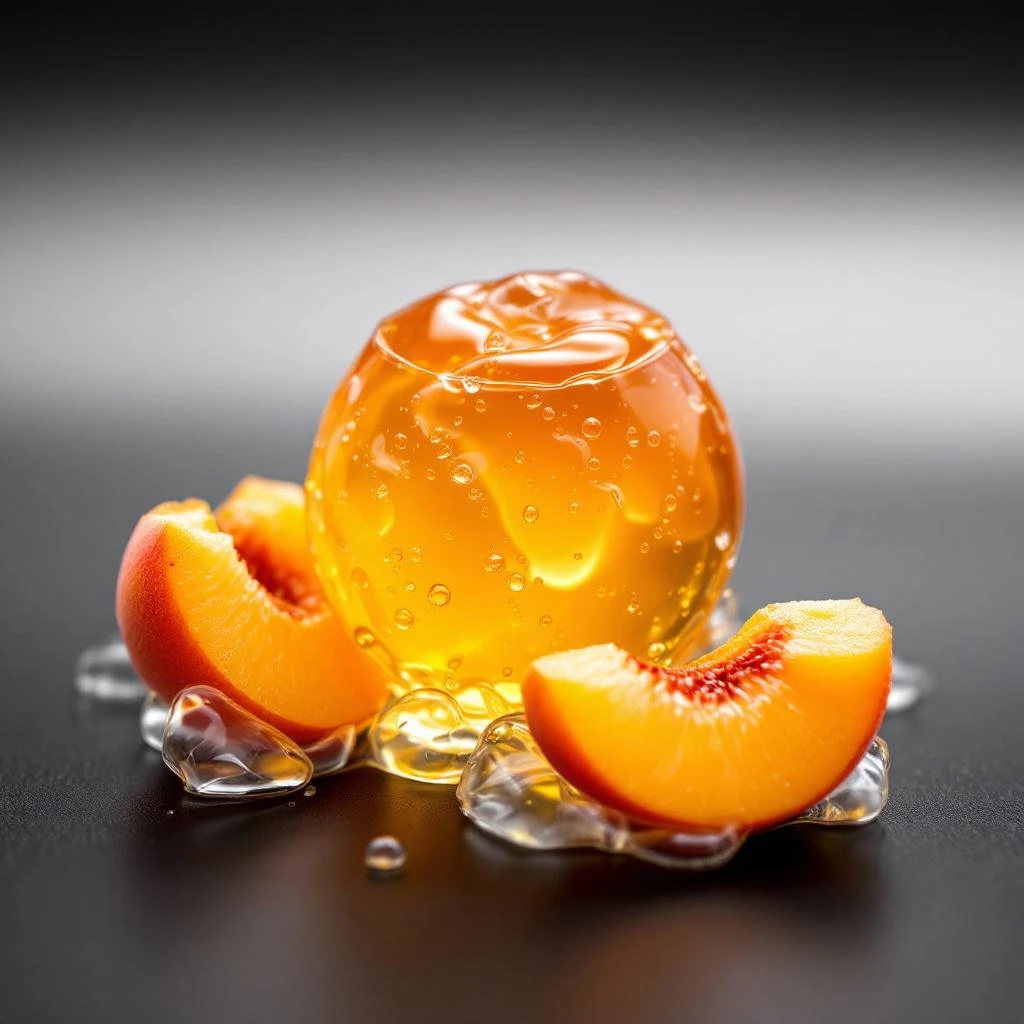
Apricot sorbet captures the icy-sweet snap of ripe stone fruit at its peak. This confectionery note marries the soft fuzz of apricot flesh with a frosted, almost crystalline coolness that reads like dessert on skin.
Character
How it smells
Frosted stone fruit, crystallized into scent.
Apricot kernels yield an essential oil rich in benzaldehyde, the same aldehyde that gives marzipan its signature almond sweetness and forms the chemical backbone of synthetic apricot accords.



Origin
Switzerland
The apricot's path into perfumery runs parallel to the broader 20th-century embrace of fruity-gourmand compositions. While apricot kernel oil appeared in early 20th-century French formulations as a carrier for floral absolutes, the distinct fruity note we recognize today only became possible after advances in organic synthesis.
Givaudan's development of gamma-undecalactone in the 1960s gave perfumers their first reliable peach-apricot molecule, and the note migrated from niche experimentation into mainstream launches through the 1980s and 1990s. Sorbet specifically, the icy-cool iteration, gained traction in the 2000s as olfactory cooling agents entered the perfumer's palette.
The accord signals indulgence and playfulness, a departure from the chypres and orientals that dominated mid-century French perfumery. Today it anchors everything from floriental compositions to unisex freshies, a marker of how constructed edible notes reshaped modern scent.
Wears it best
Fragrances featuring Apricot Sorbet
Brands
Brands known for Apricot Sorbet
Good to know
Questions, answered
The essentials on Apricot Sorbet in perfumery: how it smells, where it comes from, and how it behaves on skin.
What does apricot sorbet smell like in perfume?
Apricot sorbet smells like ripe stone fruit given a frozen, crystalline edge. The dominant impression combines fleshy apricot pulp with subtle peach sweetness and a light cooling sensation. It reads as dessert-like rather than fresh fruit, lending compositions a gourmand softness without veering into heavy sugar territory.
Is apricot sorbet a natural or synthetic note?
It is a constructed accord, primarily synthetic. Perfumers blend natural apricot essence with lab-made molecules like gamma-undecalactone and add cooling agents for the frosted effect. No single botanical extraction captures the full sorbet character, which is why the note exists as a deliberate composition rather than a single ingredient.
Which fragrance families use apricot sorbet?
Apricot sorbet appears most often in fruity gourmand, floriental, and fresh-gourmand compositions. It pairs naturally with vanilla, coconut milk, white musk, and citrus top notes. The accord gained mainstream visibility through niche and designer launches from the early 2000s onward.
How long does apricot sorbet last on skin?
As a mid-to-base note, apricot sorbet typically lasts 4 to 6 hours depending on concentration and supporting ingredients. The cooling sensation fades faster than the fruity sweetness, which tends to meld into warmer base materials like amber or musk during the drydown.
Can people with fruit allergies wear apricot sorbet perfumes?
Topical application of fruit-themed accords carries minimal allergenic risk because the molecules are synthetic and applied in low concentrations. However, anyone with documented sensitivities to benzaldehyde derivatives should patch test first, as this aldehyde family anchors many stone-fruit reconstructions.
What ingredients create the sorbet cooling effect?
The frosted sensation comes from synthetic cooling agents such as menthyl lactate or WS-23, compounds that activate cold-sensitive skin receptors without mint's sharp aroma. These allow perfumers to suggest frozen texture while keeping the dominant character sweet and fruity.
What scents pair well with apricot sorbet?
Apricot sorbet blends smoothly with vanilla absolute, sandalwood, white tea, and bergamot for layered compositions. For bolder pairings, perfumers contrast it against spices like cardamom or pink pepper, which sharpen the fruit's sweetness without overwhelming the accord's soft, edible quality.
When was apricot first used in perfumery?
Apricot kernel oil appeared in French formulations during the early 20th century as a carrier for floral absolutes. The distinct fruity note emerged later, after Givaudan's synthesis of gamma-undecalactone in the 1960s made consistent peach-apricot accords possible for commercial fragrance production.