Apricot Honey
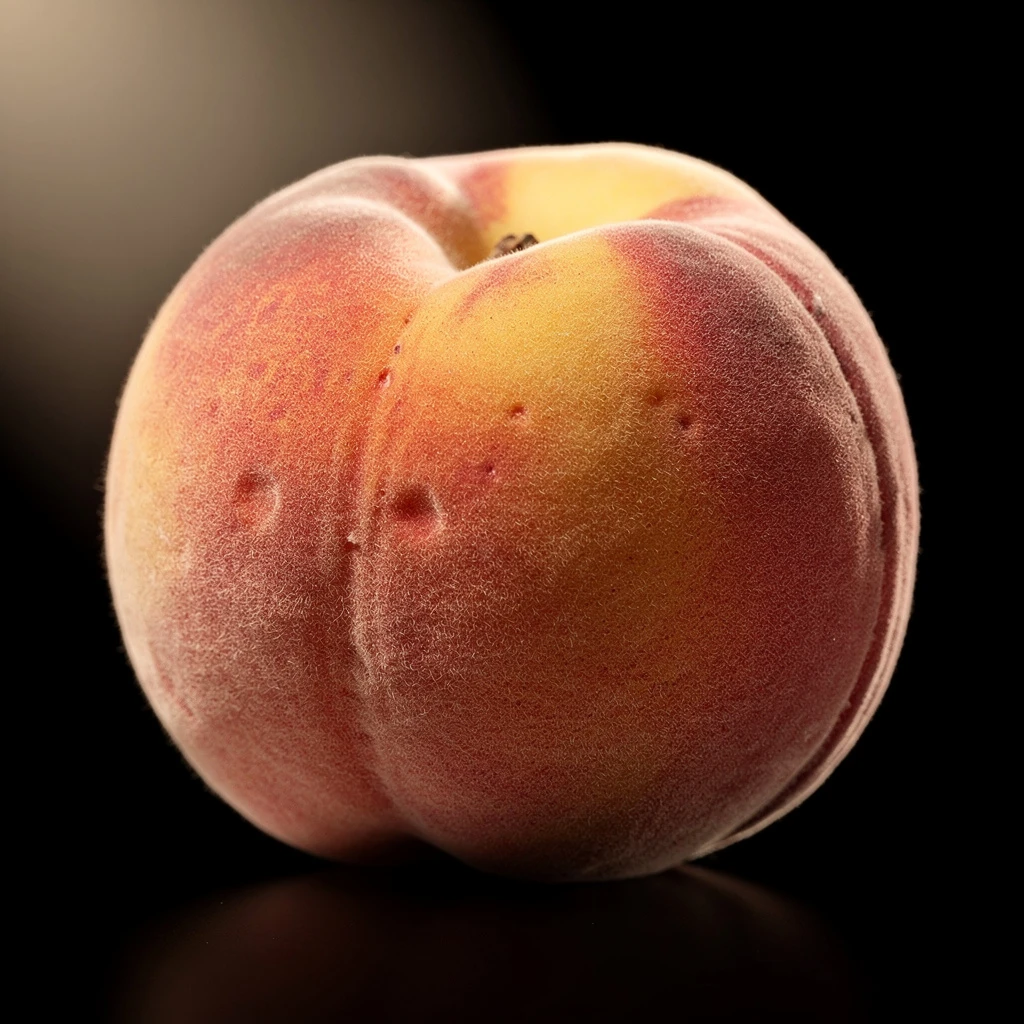
Apricot Honey pairs the sun-warmed, honeyed flesh of ripe apricot with soft golden sweetness, creating a velvety accord with a gentle resinous finish.
Character
How it smells
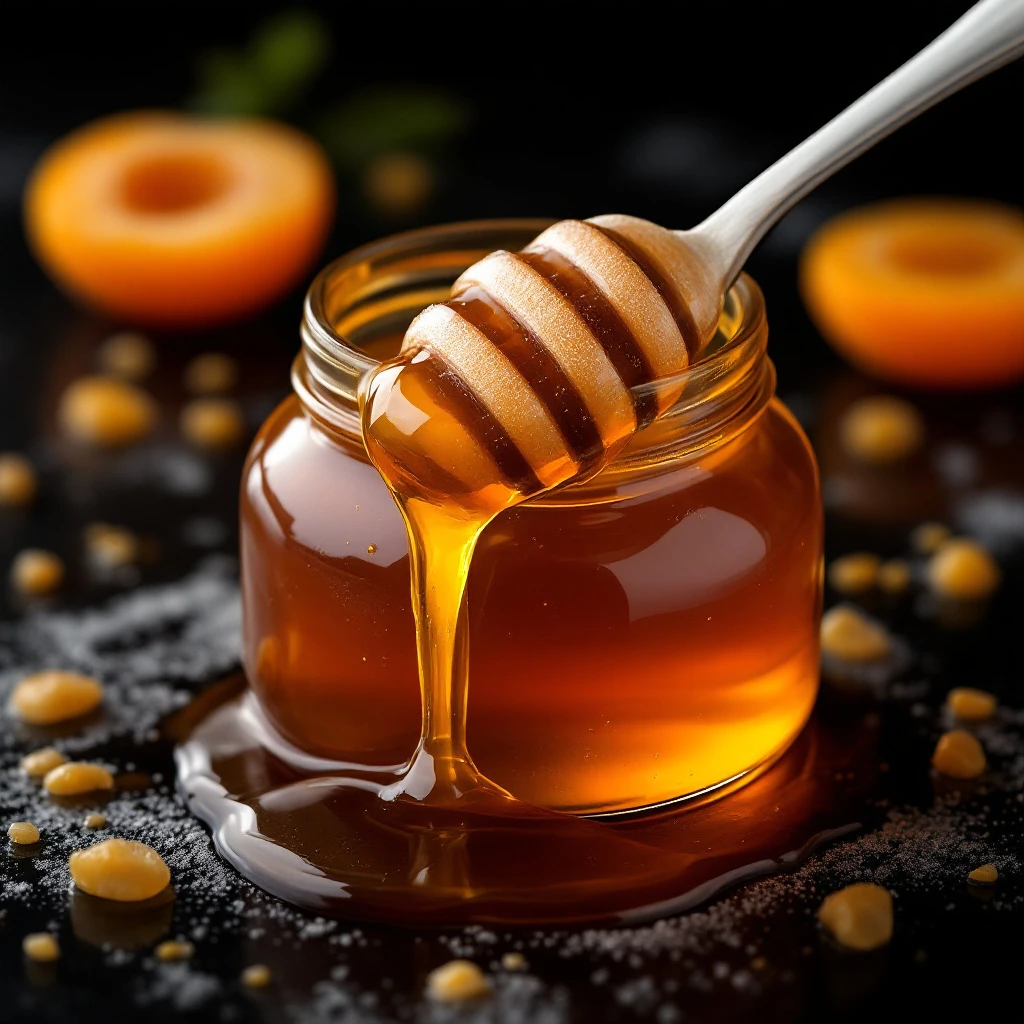
Ripe apricot wrapped in warm golden honey.
Apricot cannot be steam-distilled as a practical perfumery oil, so its recognizable fruit character is usually recreated with synthetic aroma molecules.
Pairs beautifully with

Origin
Armenia
Apricots belong to the rose family and take their name from the Latin word for the fruit, armeniaca, reflecting their long association with Central Asia. The tree was later cultivated across China, the Middle East, and Europe, where its kernels became part of regional cooking and oils. Its soft, honeyed fruit character entered perfumery as part of the broader tradition of recreating delicate fruits with laboratory materials, a practice that expanded as modern aroma chemistry developed.
Honey carries a much older history. Cave paintings in Spain and South Africa show that people gathered wild honey in prehistoric times, and ancient records from Mesopotamia and Egypt document scented preparations that included honey among valued aromatic materials. The apricot-honey accord brings these two well-established pleasures together: the golden sweetness of honey and the sun-ripened fragrance of apricot.
Wears it best
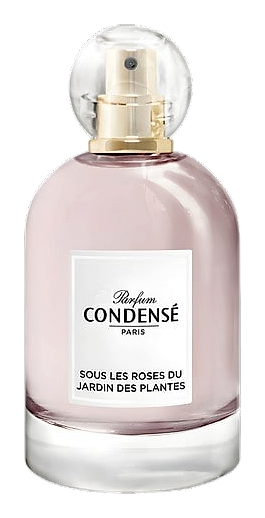
Fragrances featuring Apricot Honey
Brands
Brands known for Apricot Honey
Good to know
Questions, answered
The essentials on Apricot Honey in perfumery: how it smells, where it comes from, and how it behaves on skin.
What does Apricot Honey smell like?
Apricot Honey smells like ripe apricot drenched in warm honey, with soft fruit sweetness, a light waxy texture, and a gentle resinous finish.
Is Apricot Honey a natural fragrance ingredient?
It is usually a fragrance accord rather than one natural extract. Perfumers combine synthetic fruit and honey aroma molecules to reproduce the finished scent consistently.
Where does apricot originate?
Apricot originates in Central Asia, with Armenia closely tied to its early cultivation. The fruit later spread across China, the Middle East, and Europe.
How is apricot oil made for perfumery?
Apricot oil is rarely steam-distilled because the delicate fruit scent is difficult to isolate. Most perfumery versions are laboratory compositions built to resemble ripe apricot.
Does Apricot Honey contain real honey?
Many versions contain no natural honey extract at all. A honey accord uses selected aroma molecules to suggest pollen, warm wax, and golden syrup.
What notes pair well with Apricot Honey?
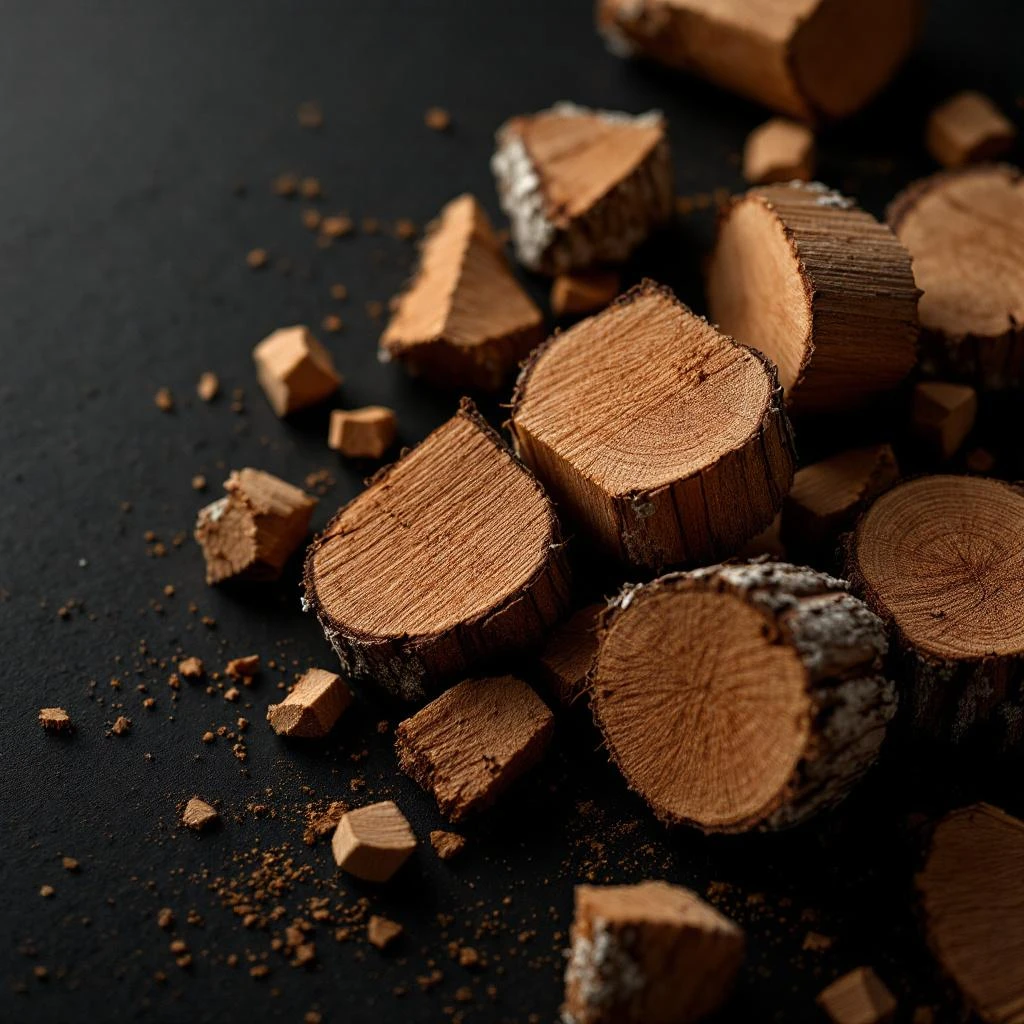
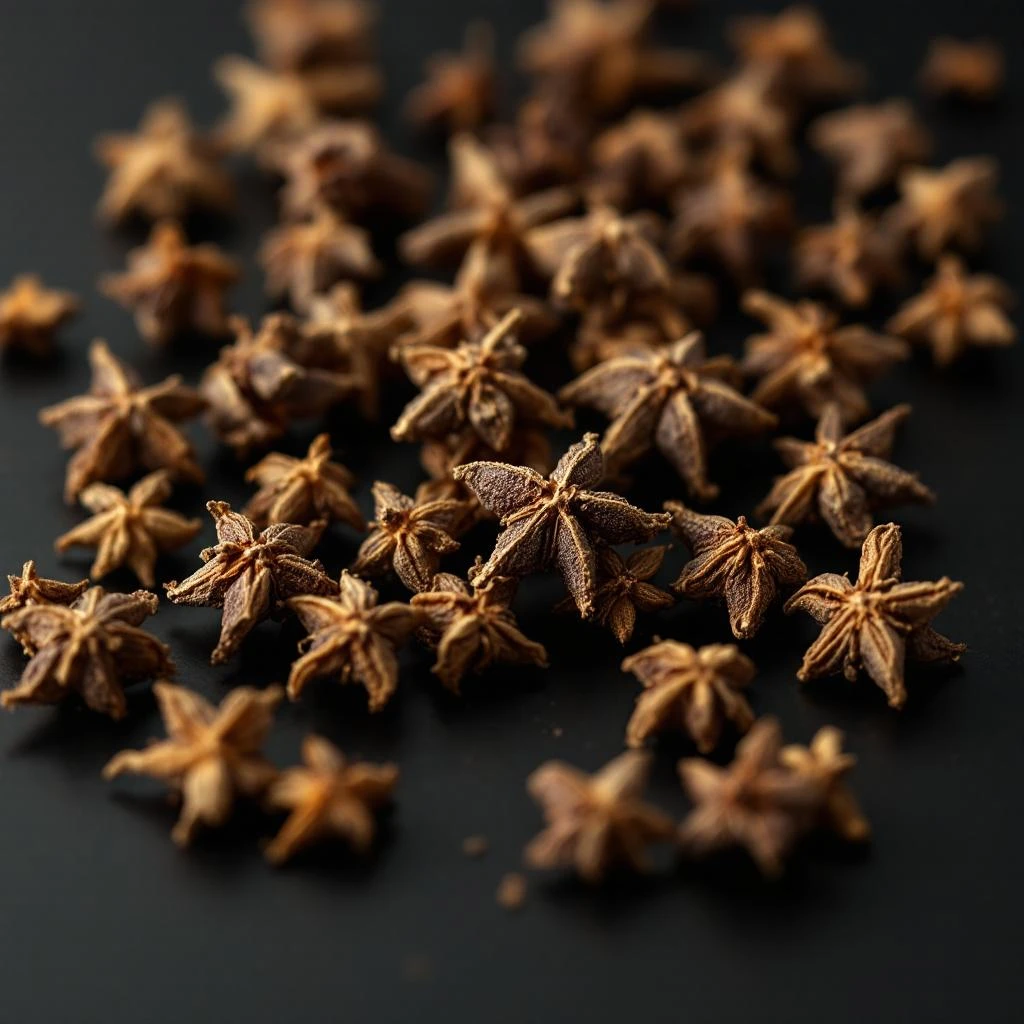
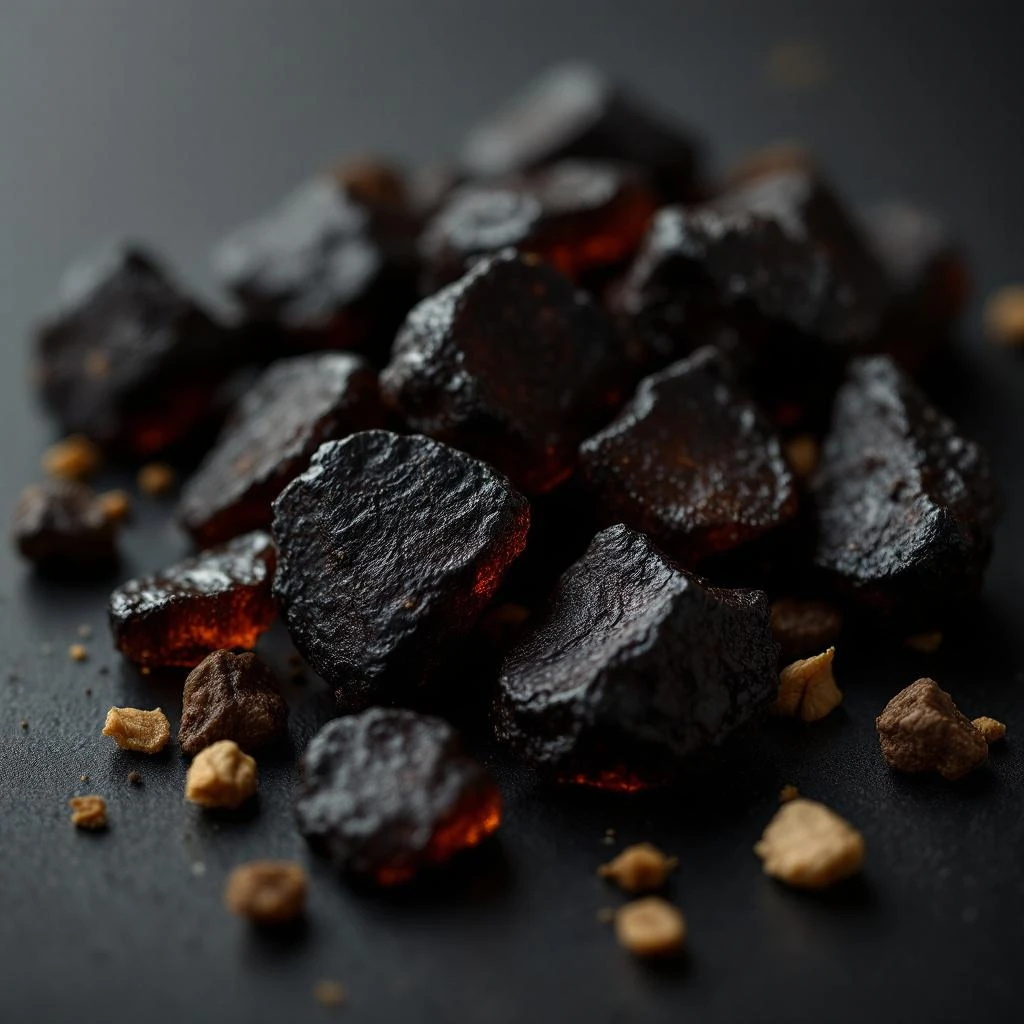
Apricot Honey pairs naturally with vanilla, sandalwood, osmanthus, beeswax, and amber. These materials soften its fruit sweetness and add a more polished finish.
Why is honey important in the history of fragrance?
Honey was among the valued aromatic materials of ancient perfume traditions, including those of Mesopotamia and Egypt. It also carried religious and culinary significance beyond scent.
Is Apricot Honey suitable for everyday wear?
Yes, especially in restrained formulations. A sheer concentration works well in warm weather, while richer woods and resins give it more depth for cooler wear.