Apple Pulp
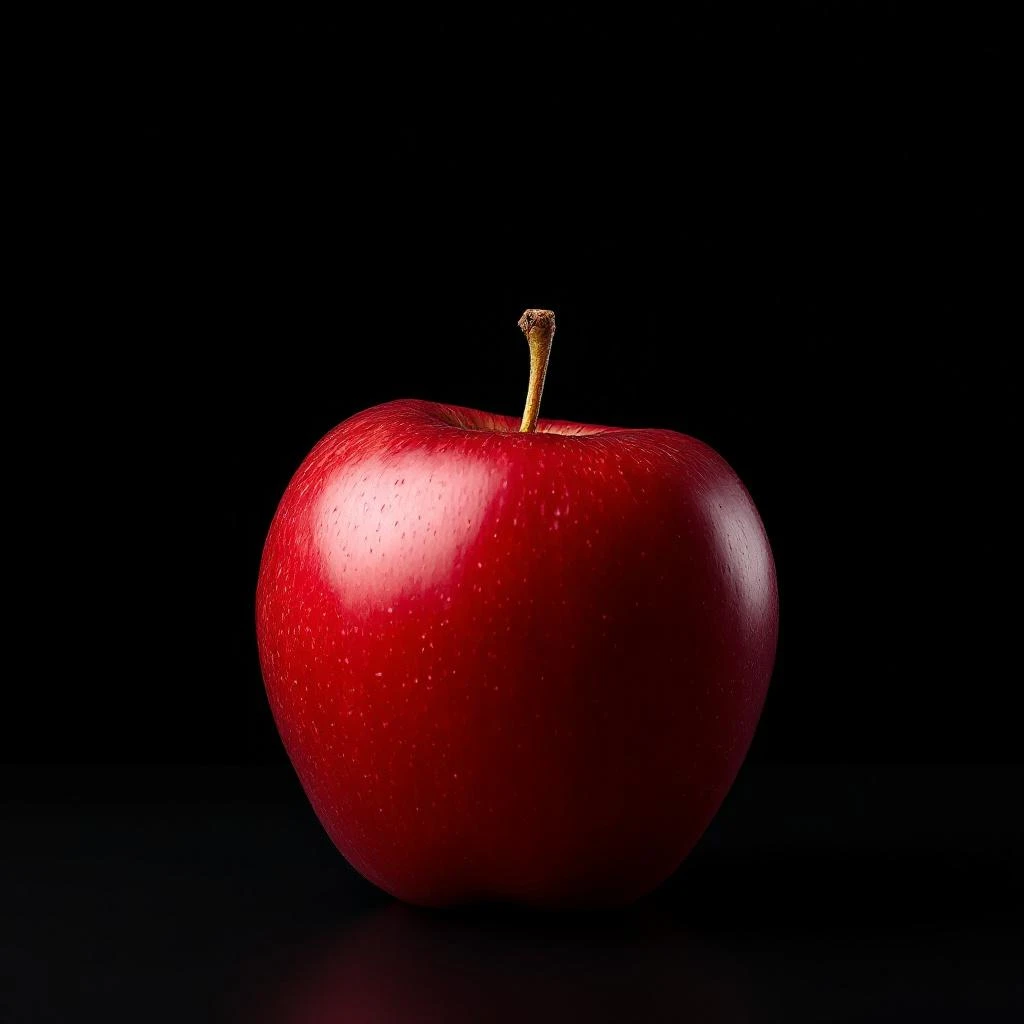
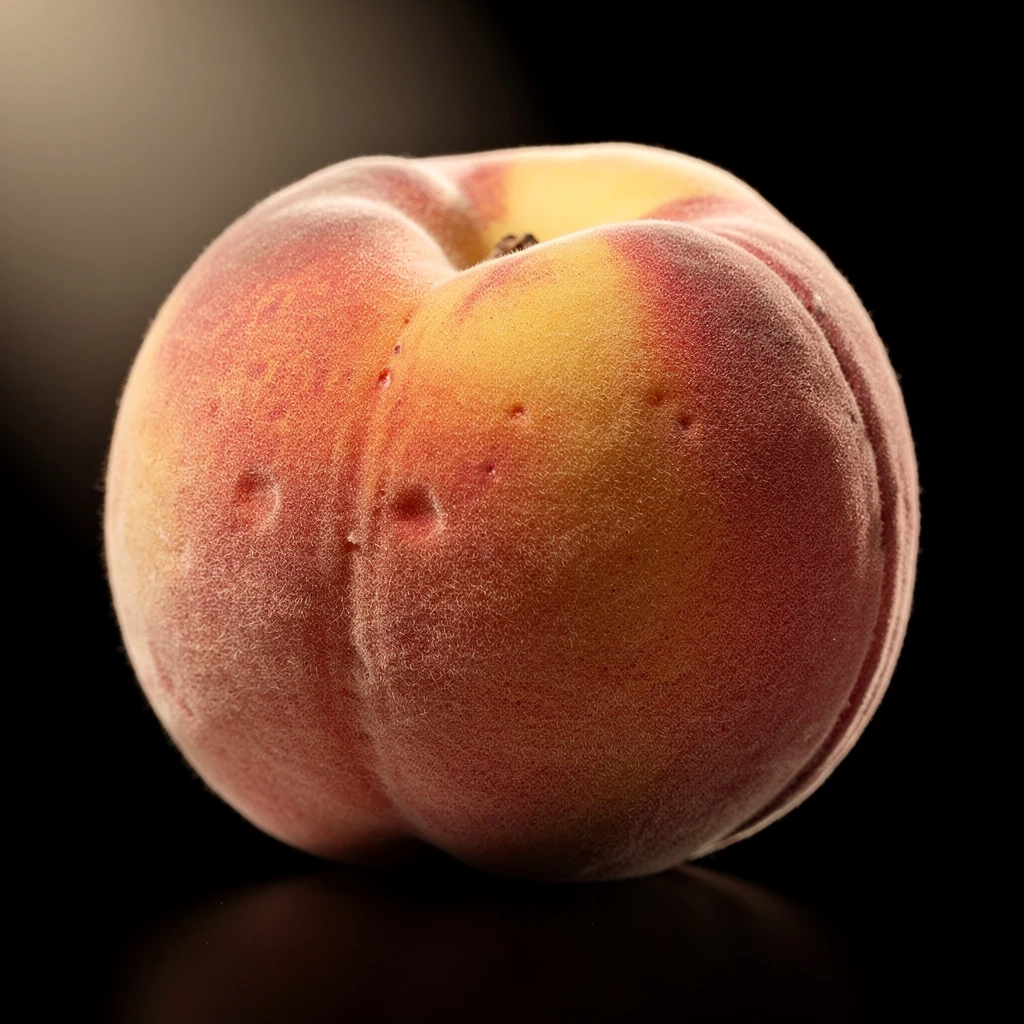
Apple pulp brings a crisp, youthful freshness to fragrance compositions. This ingredient captures the delicate sweetness and texture of ripe apple flesh, creating an addictive green-fruity accord that instantly elevates any perfume. The result feels approachable, modern, and undeniably delicious.
Character
How it smells
Crisp fruitiness from nature's orchard
Over 7,500 apple varieties exist worldwide, yet perfumers primarily rely on just a handful of aromatic cultivars for fragrance work.





Origin
China
Apples rank among humanity's oldest cultivated fruits, originating in the mountains of Central Asia over 4,000 years ago. Ancient Egyptians and Romans valued apples for their fragrance and culinary uses, using scented apple oils in cosmetics and ceremonial practices.
However, perfumers only began incorporating apple into modern fragrance in the late 20th century, when extraction techniques improved enough to capture the fruit's subtle aroma. Today, apple notes appear across countless fragrances, from designer florals to niche compositions, reflecting our enduring fascination with this familiar fruit.
Wears it best
Fragrances featuring Apple Pulp
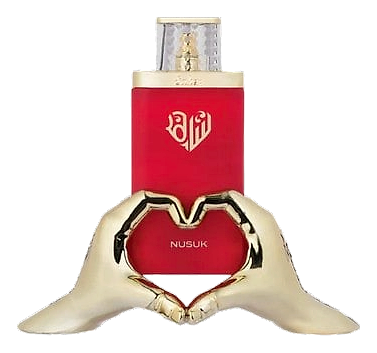
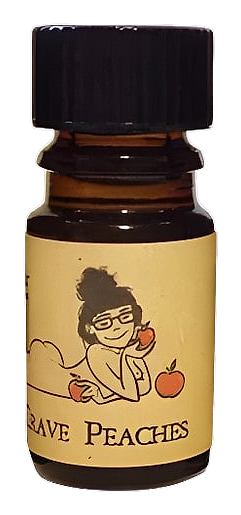

Brands
Brands known for Apple Pulp
Good to know
Questions, answered
The essentials on Apple Pulp in perfumery: how it smells, where it comes from, and how it behaves on skin.
Is apple pulp a natural or synthetic ingredient in perfumery?
Apple pulp exists in both natural and synthetic forms. Natural extracts come from apple pulp using solvent or CO2 extraction, while synthetic versions replicate key aroma compounds like isoamyl acetate. Most commercial fragrances use nature-identical synthetics for consistency and cost efficiency.
What does apple pulp smell like in a fragrance?
Apple pulp delivers a fresh, sweet, green-fruity scent reminiscent of biting into a ripe apple. It carries watery freshness, delicate sweetness, and subtle floral undertones. The exact character varies by apple variety, ranging from crisp green apples to softer, riper red apple facets.
Which fragrance families commonly feature apple pulp?
Apple pulp appears most often in fruity, fresh, and green fragrance families. It works particularly well in summer perfumes, florals with fruity accords, and modern oriental fragrances. Chypre and woody compositions also incorporate apple notes for lift and brightness.
How long does apple pulp last in a fragrance composition?
Apple pulp as a fragrance ingredient has moderate longevity, typically lasting 2-4 hours on skin. Perfumers often combine it with fixatives like woods or musks to extend its presence. Synthetic apple compounds generally outperform natural extracts in staying power.
What apple varieties work best for perfumery extraction?
Granny Smith, Golden Delicious, and Gala apples yield the most usable aromatic compounds for perfumery. These varieties offer balanced sugar-to-acid ratios and strong ester profiles that translate well into fragrance. Some perfumers prefer heritage cultivars for more complex scent profiles.
Can apple pulp cause allergic reactions in perfumes?
Apple pulp extracts carry minimal allergenic potential compared to many natural ingredients. However, some individuals may react to specific apple aroma compounds. Regulatory bodies require disclosure of common allergens in cosmetic products, making it easy for sensitive users to make informed choices.
How do perfumers combine apple pulp with other ingredients?
Perfumers pair apple pulp with complementary notes like bergamot, lily of the valley, jasmine, and lightweight musks. Apple also harmonizes with green tea, cucumber, and aquatic accords for fresh compositions. In warmer fragrances, it contrasts beautifully with amber, sandalwood, and vanilla.
Is apple pulp sustainable as a fragrance ingredient?
Apple pulp extraction often utilizes waste material from juice and cider production, making it relatively sustainable. This practice diverts agricultural byproducts from landfills and adds value to the apple industry. Sustainable brands increasingly source apple extracts from certified organic orchards.