Apple Liqueur
Apple Liqueur brings a sun-drenched, fermented sweetness to perfumery, capturing the golden moment when ripe orchard fruit meets amber spirits. This aromatic material balances honeyed warmth with crisp fruitiness, creating signatures that feel both indulgent and effervescent.
Character
How it smells
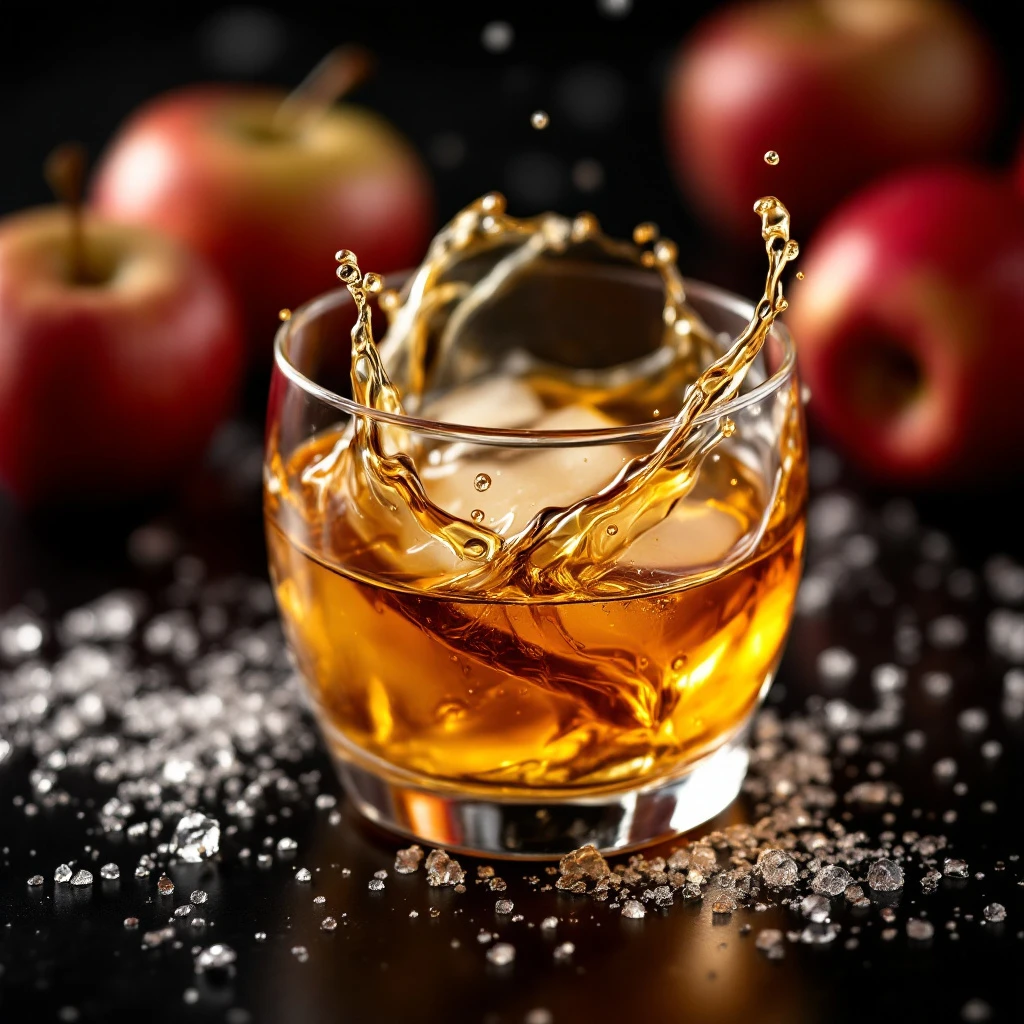
Fermented orchard fruit in liquid form.
The apple tree originated in Central Asia around 4,000 years ago, making it one of humanity's oldest cultivated fruits, predating its use in perfumery by millennia.

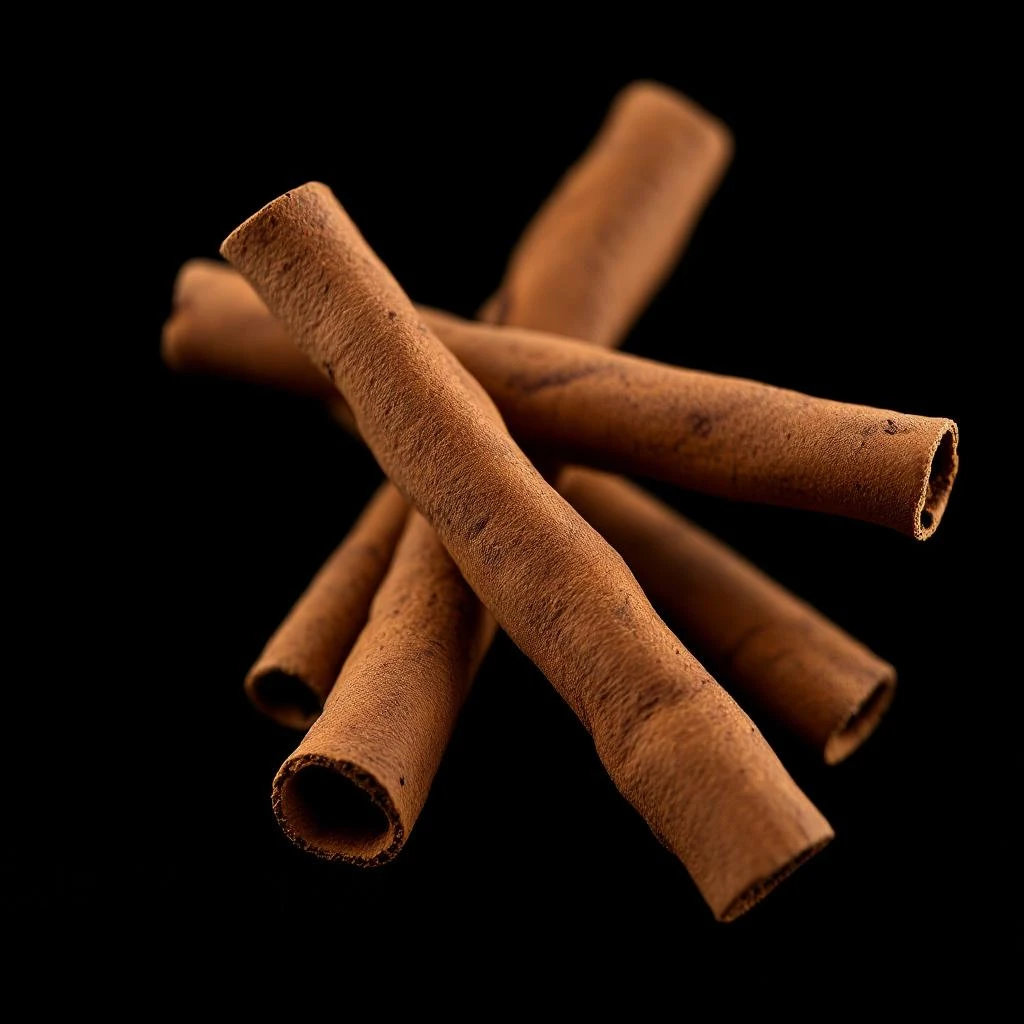
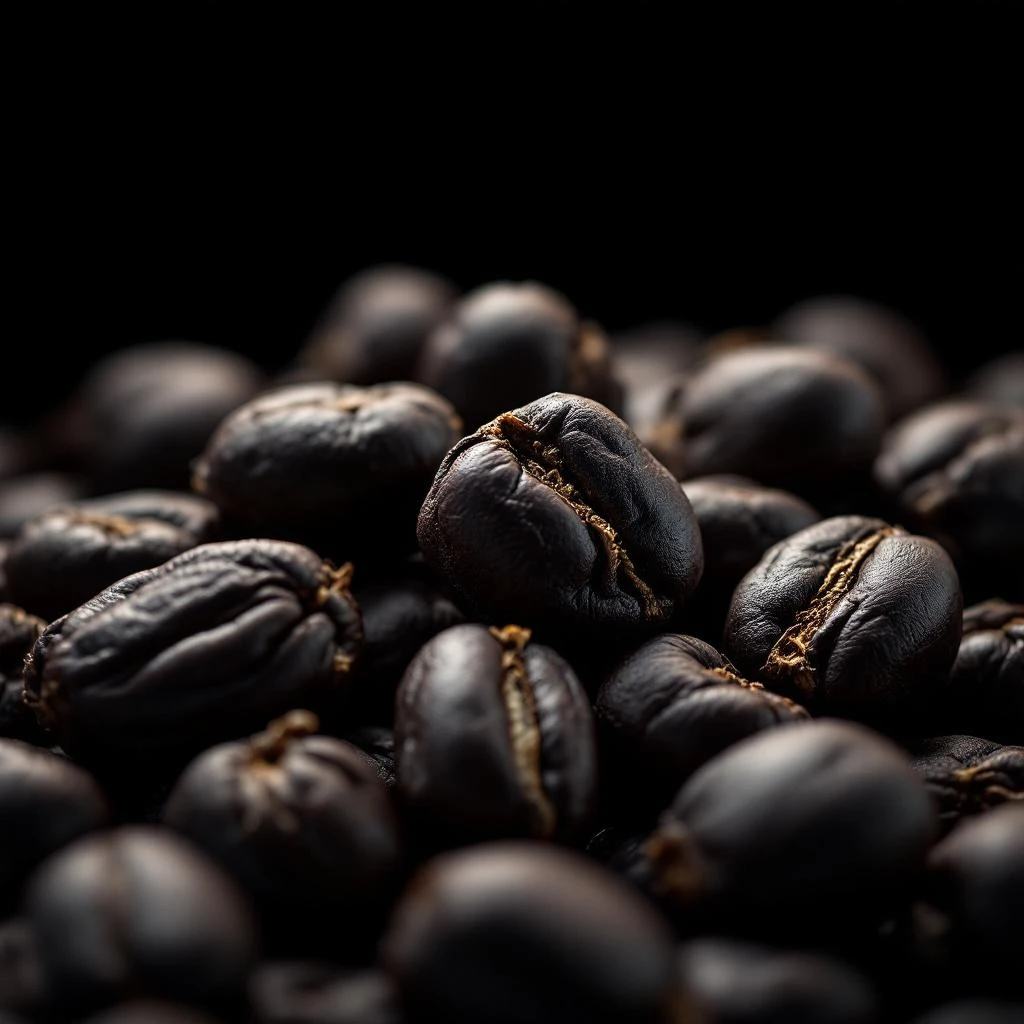
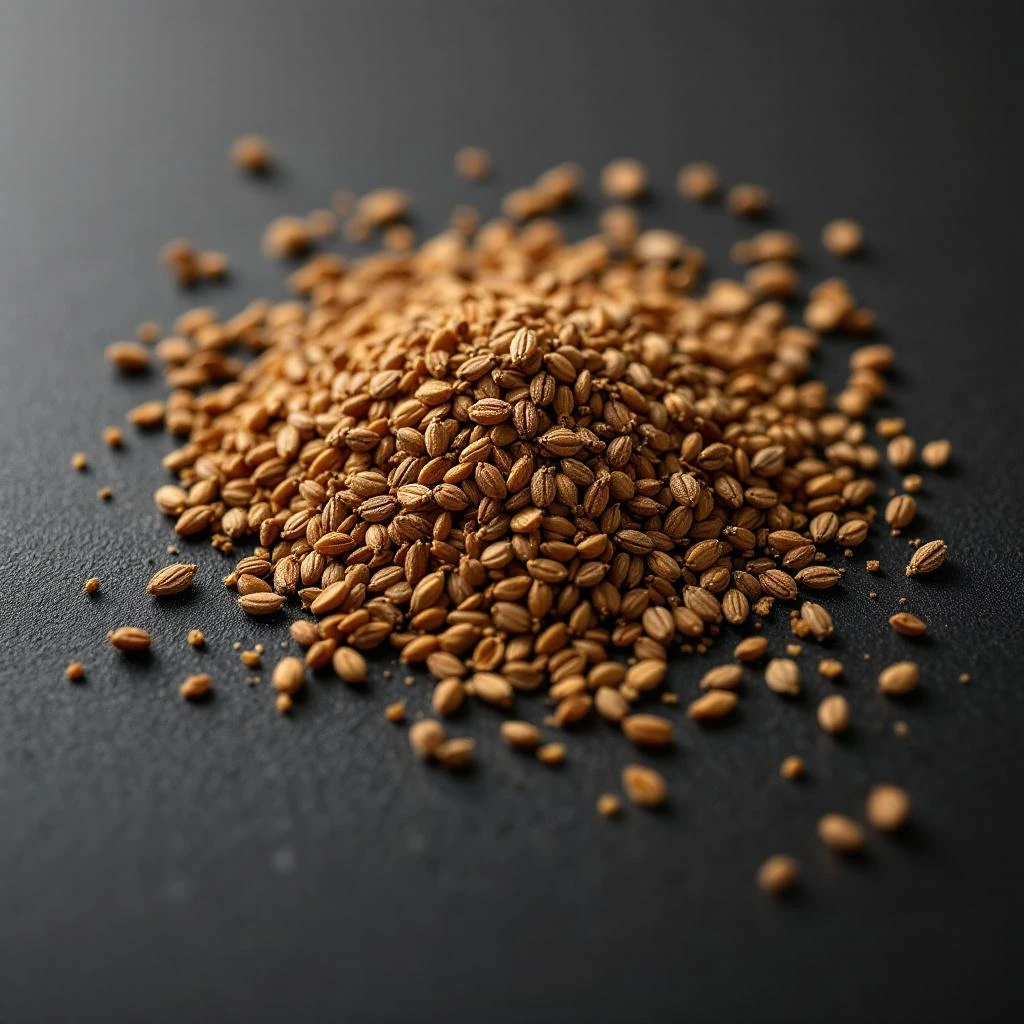
Origin
Kazakhstan
While apples have nourished civilizations for millennia, their appearance in perfumery emerged later, gaining prominence in the late 20th century as fruity fragrance families expanded. Before this, perfumers relied on synthetic aroma chemicals to approximate apple notes, since extracting meaningful scent from fresh fruit proved challenging.
The rise of Apple Liqueur coincided with the fresh-fruity revolution of the 1990s, when designers like Calvin Klein (Crave) and Marc Jacobs (Dot) demonstrated consumer appetite for edible, approachable scents. Today, Apple Liqueur functions as a bridge between top and heart notes, lending immediacy and accessibility to compositions that might otherwise feel austere or abstract.
Wears it best
Fragrances featuring Apple Liqueur
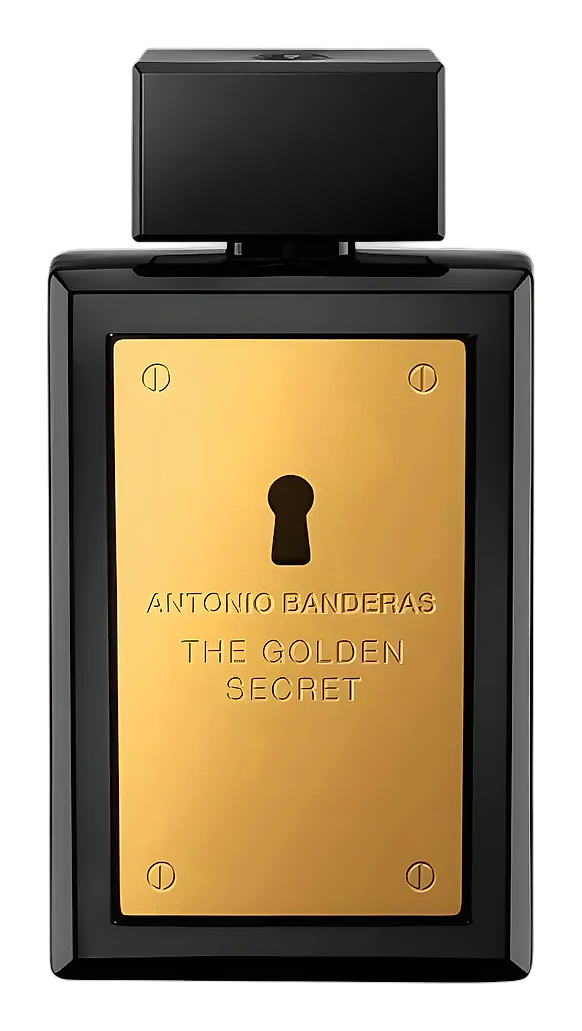
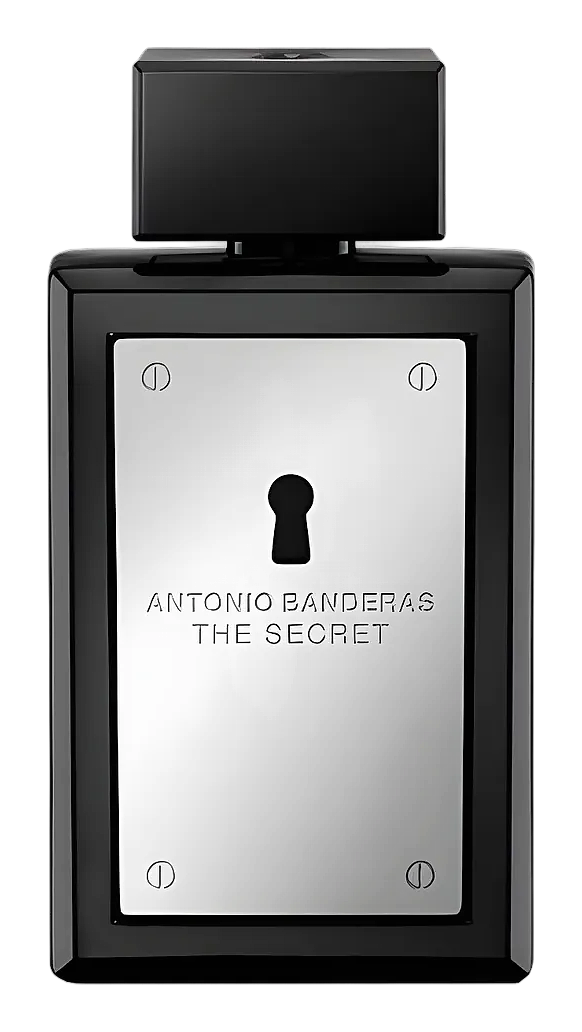
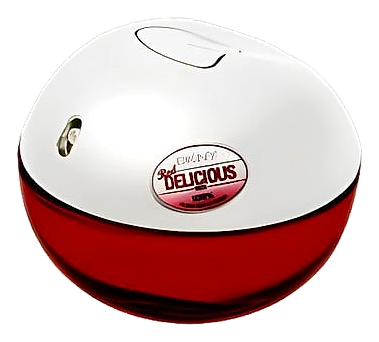
Brands
Brands known for Apple Liqueur
Good to know
Questions, answered
The essentials on Apple Liqueur in perfumery: how it smells, where it comes from, and how it behaves on skin.
What does Apple Liqueur smell like?
Apple Liqueur smells like ripe orchard apples suspended in warm spirits. It combines sweet honeyed fruitiness with fermented depth, featuring green apple freshness alongside caramelized, brandy-like warmth. The effect is both crisp and indulgent.
Is Apple Liqueur natural or synthetic?
Apple Liqueur typically exists as a hybrid material. Perfumers extract apple aromatics through maceration in alcohol, then may blend these with nature-identical aroma chemicals to strengthen specific facets like green apple or caramelized notes.
Which fragrances feature Apple Liqueur prominently?
Apple Liqueur appears across fragrance families, from Dior Addict's luminous floral-fruity opening to Marc Jacobs Dot's tropical raspberry-apple heart. It works especially well in floriental and fresh-chypre compositions seeking edible warmth.
How does Apple Liqueur perform in fragrance compositions?
Apple Liqueur functions primarily as a top-to-heart note bridge. It projects boldly in the opening minutes, then gradually recedes as base materials emerge. In higher concentrations (5-15%), it dominates a fragrance's character; at lower levels (1-3%), it lends subtle fruitiness.
What extraction method produces Apple Liqueur?
The standard method involves macerating apple-derived aromatic materials in high-grade alcohol for several weeks. This extracts volatile esters, fruit sugars, and caramelized compounds. Some producers concentrate these materials using CO2 supercritical extraction before maceration.
Can Apple Liqueur be extracted directly from fresh apples?
Fresh apples yield minimal usable aromatic material through standard extraction. Their water content dilutes essential oils, and heat from distillation damages delicate esters. Perfumers instead extract from dried peel, fallen leaves, or rely on synthesized apple aroma compounds.
What complementary notes pair well with Apple Liqueur?
Apple Liqueur pairs naturally with bergamot, rose, and jasmine in fruity-floral compositions. Against warmer bases like sandalwood, benzoin, or vanilla, it reveals more caramelized, liqueur-like qualities. It also combines well with绿色调如violet leaf.