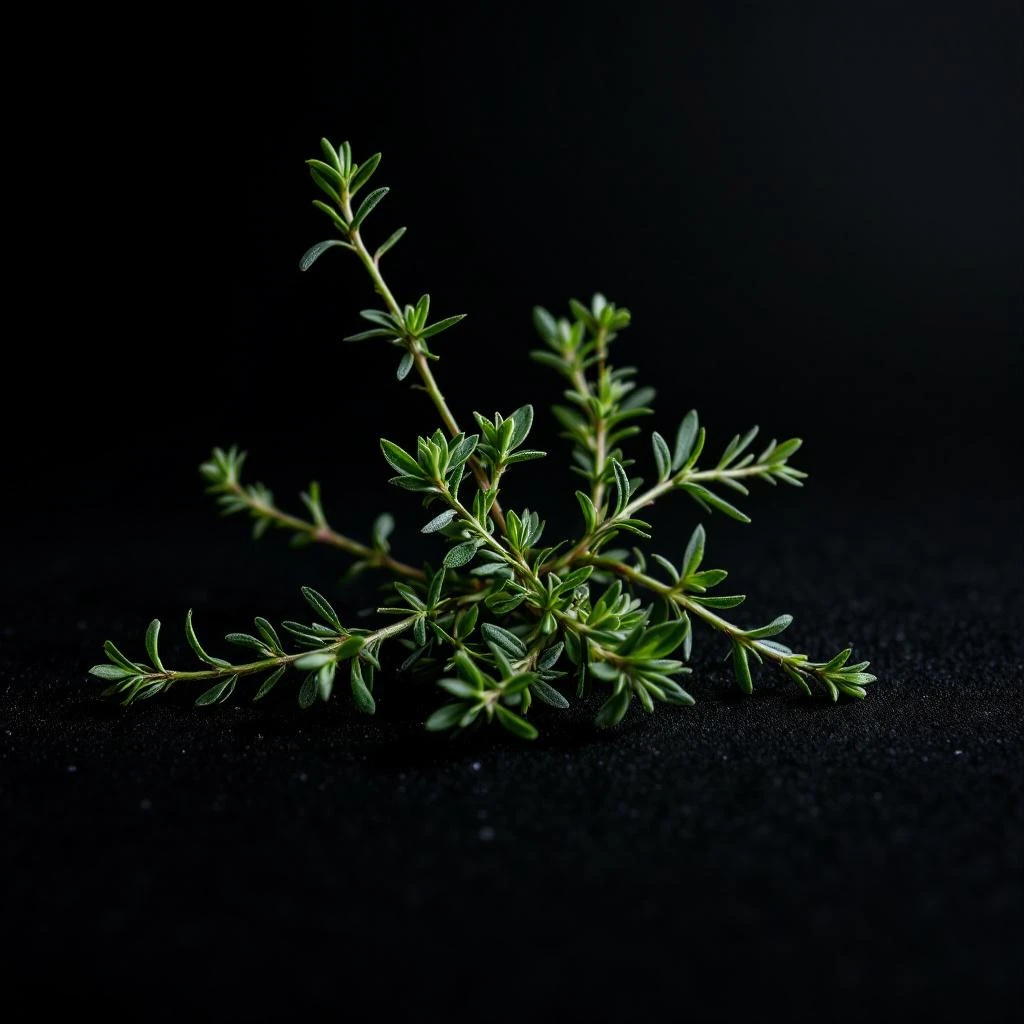
Annual Wormwood
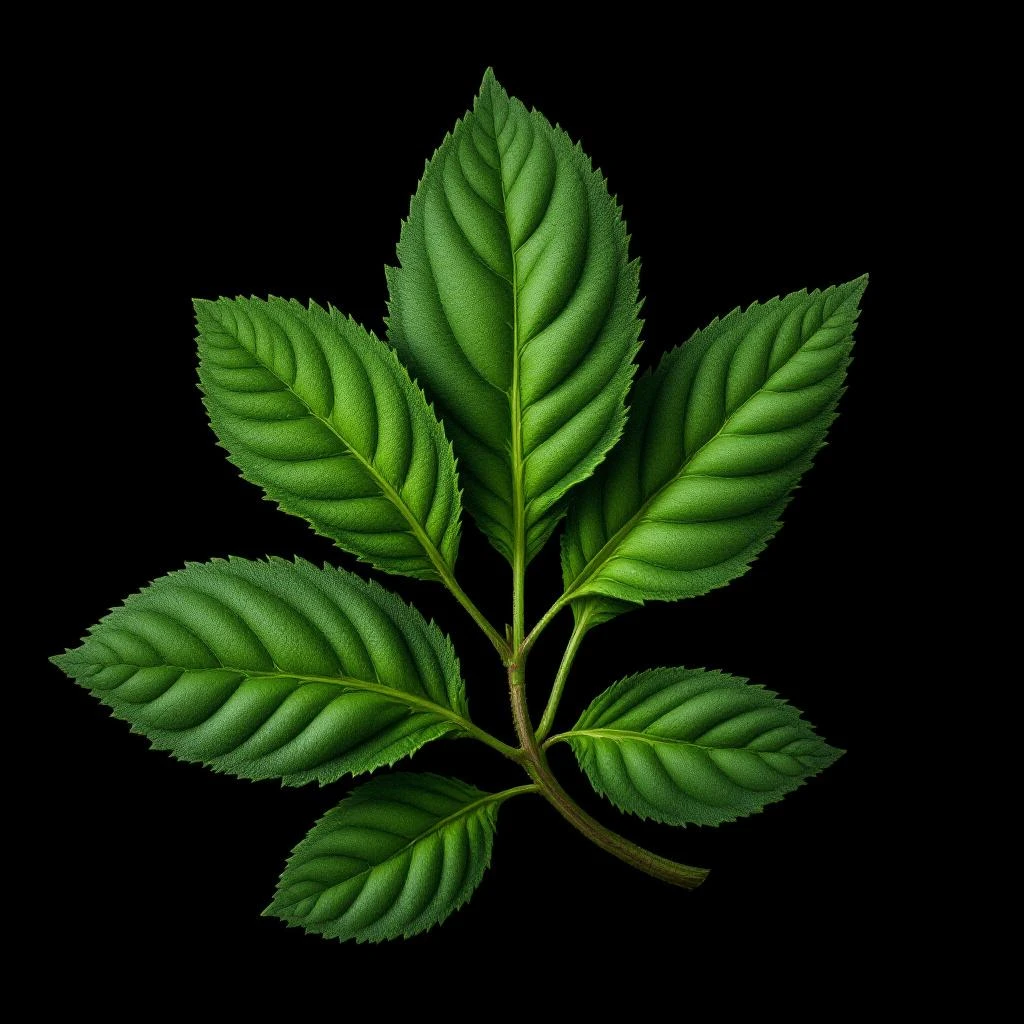
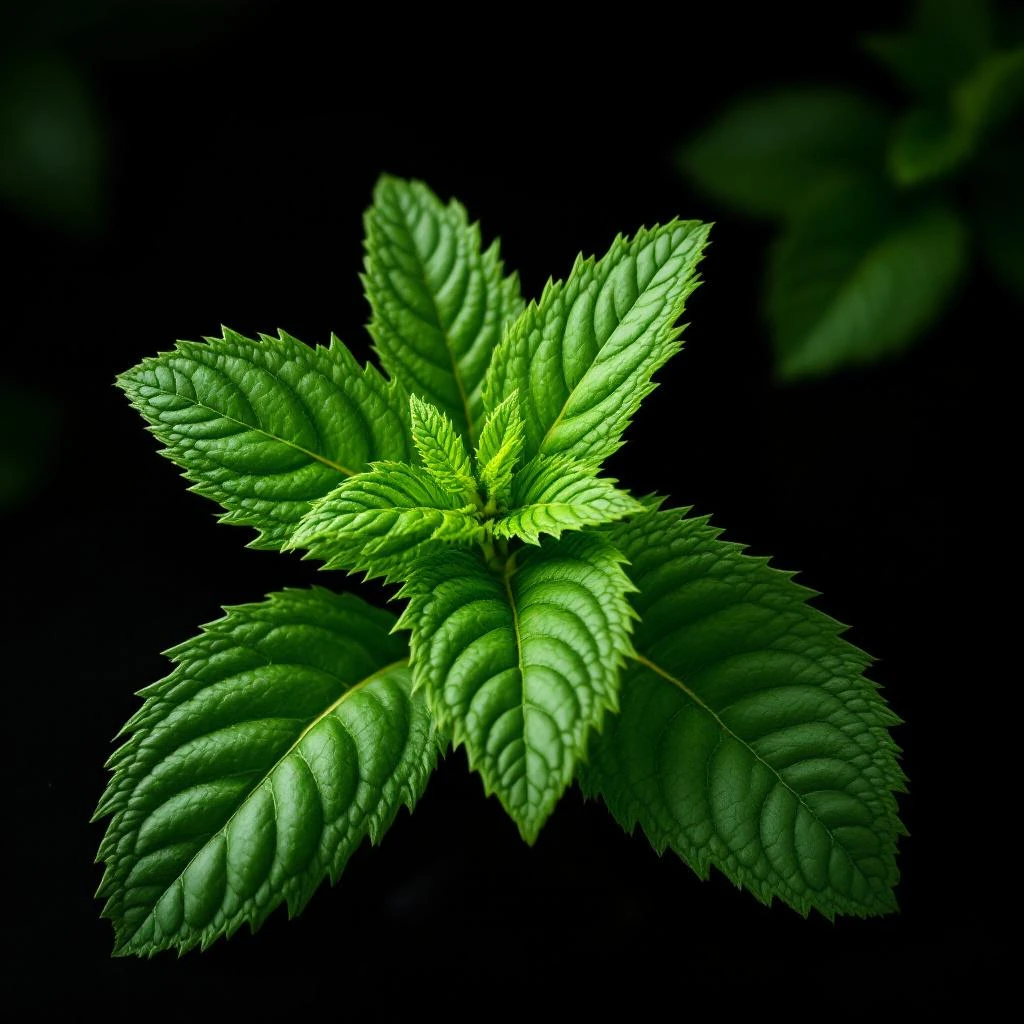
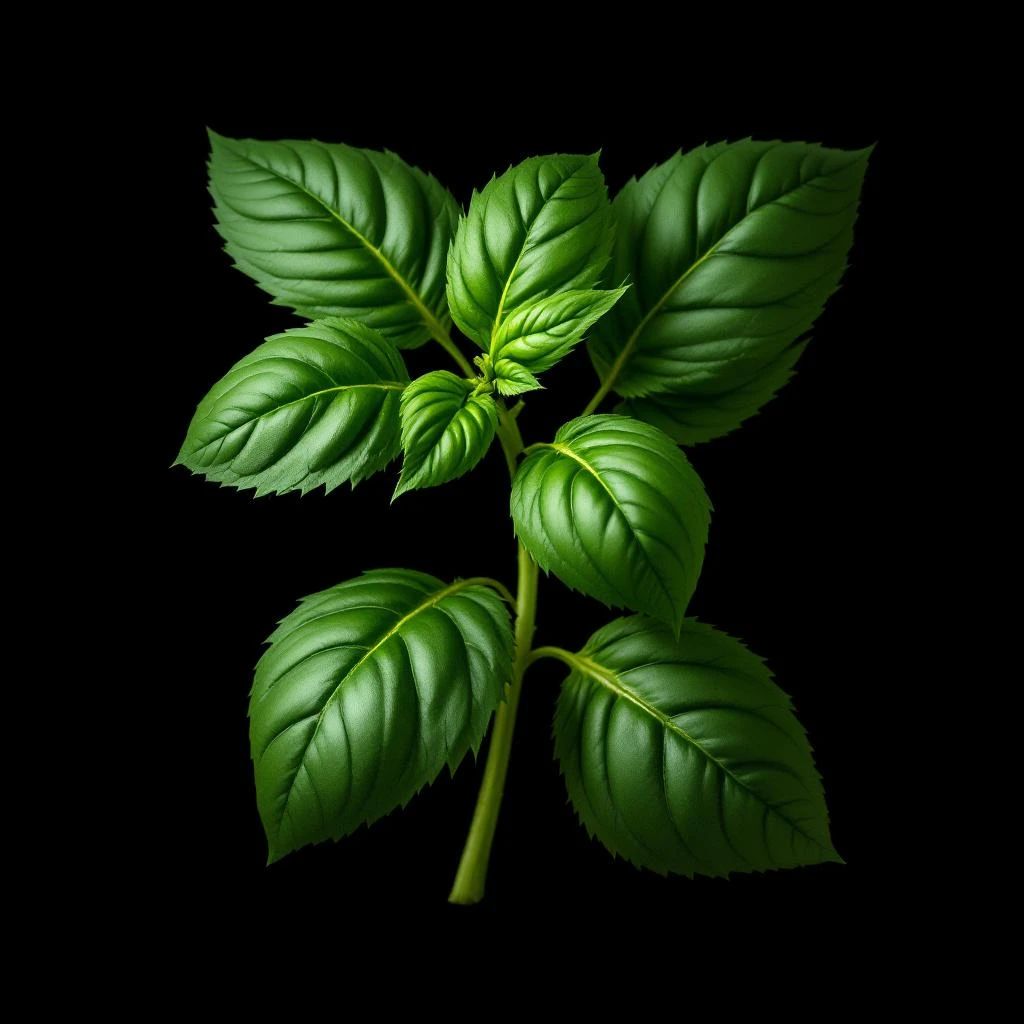
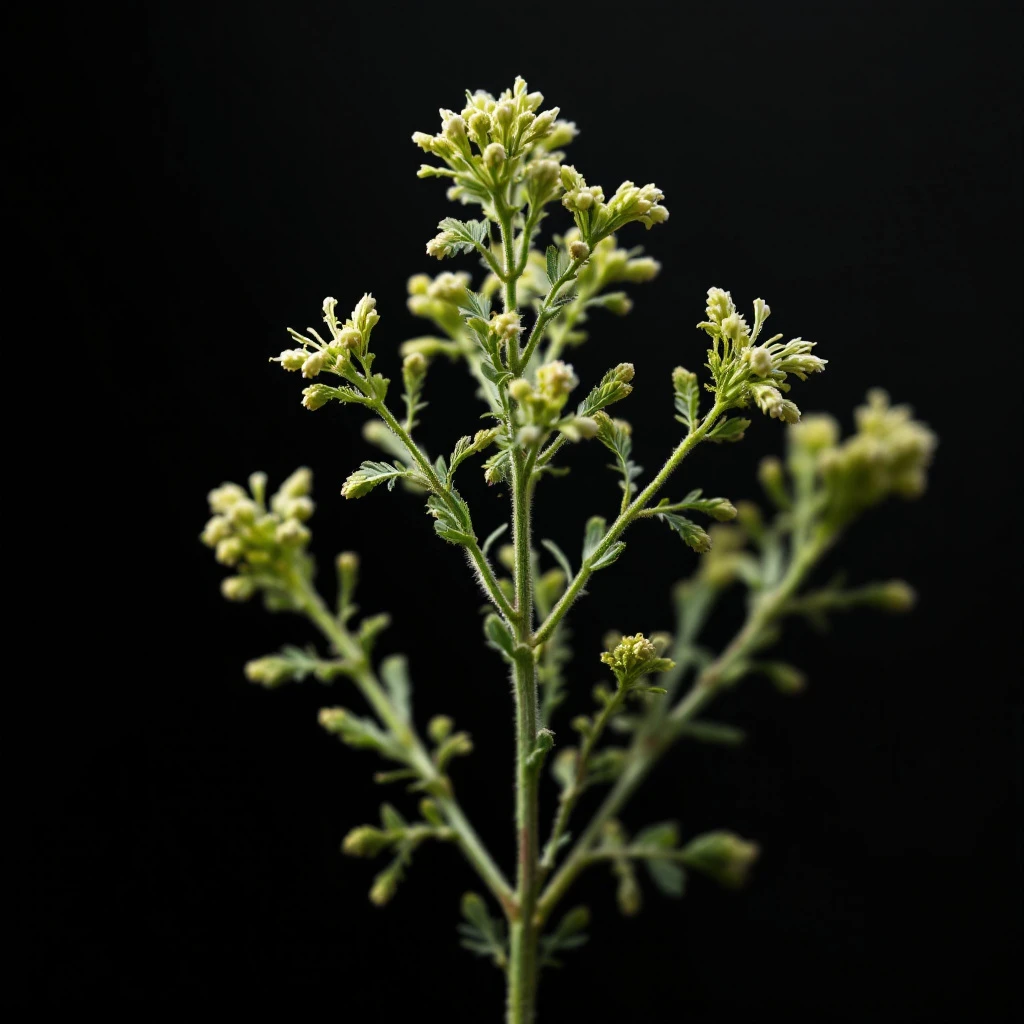
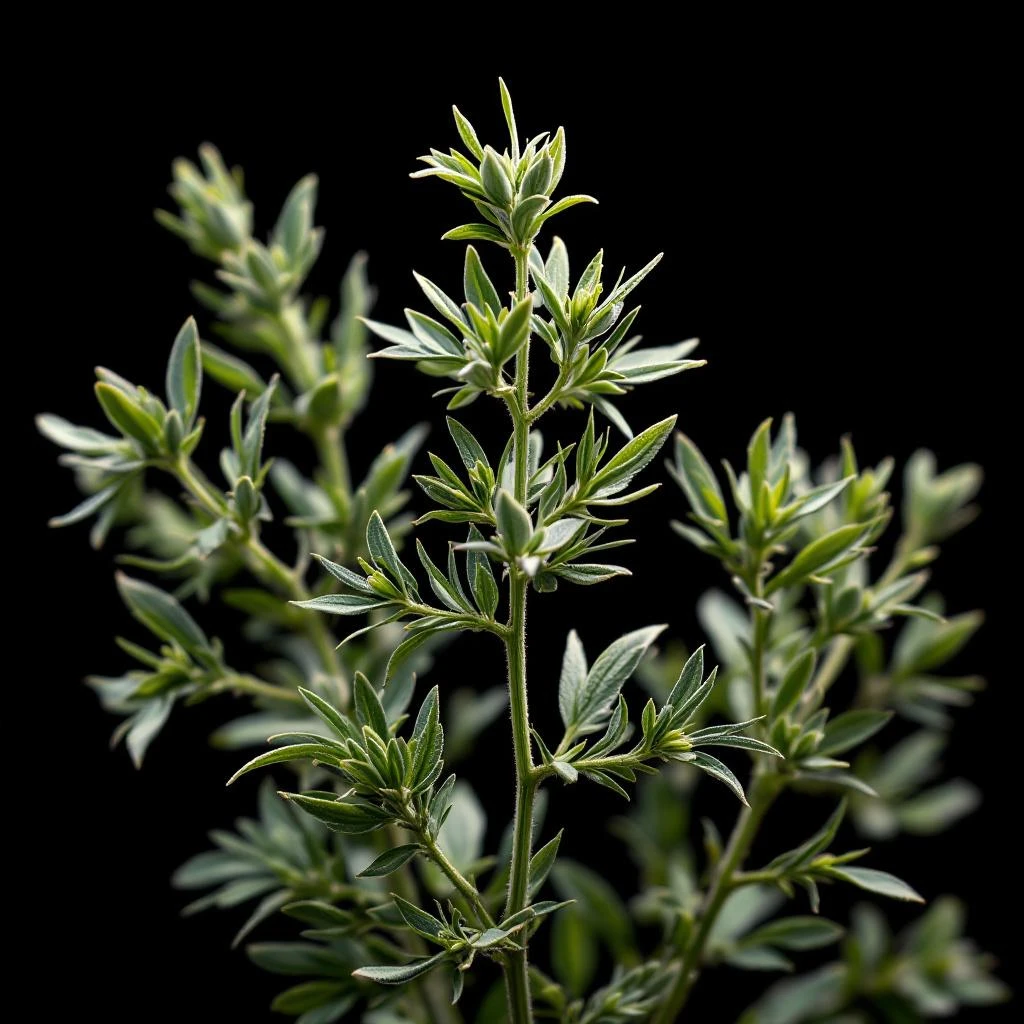
Annual Wormwood carries an assertive herbaceous character with sharp, camphoraceous edges and a faint bitter-sweet undertone. Native to temperate regions of Europe and Asia, this Artemisia species has shaped perfumery with its distinctive aromatic profile since the 19th century.
Character
How it smells
The bitter herb that inspired a legendary spirit.
Thujone in wormwood gave absinthe its reputation for hallucinations. The spirit only ever contained trace amounts.


Origin
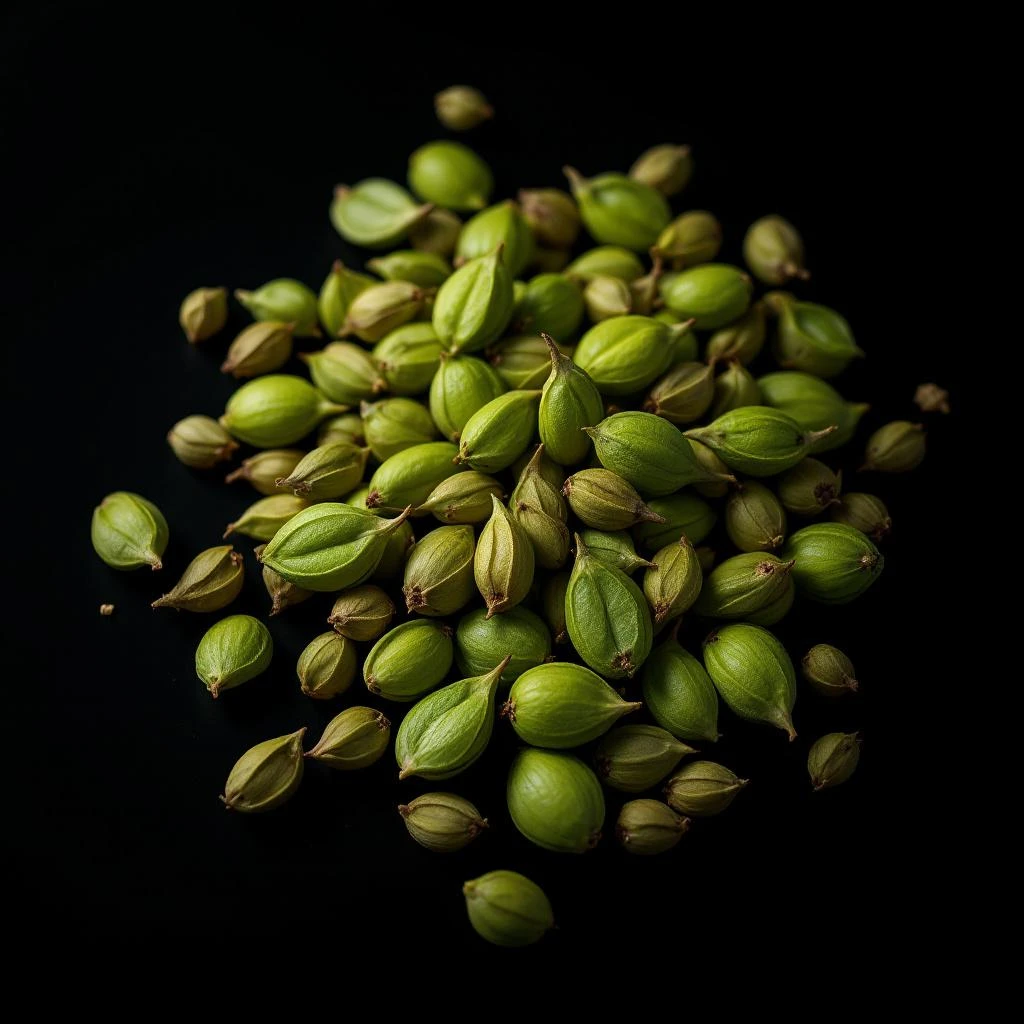
France
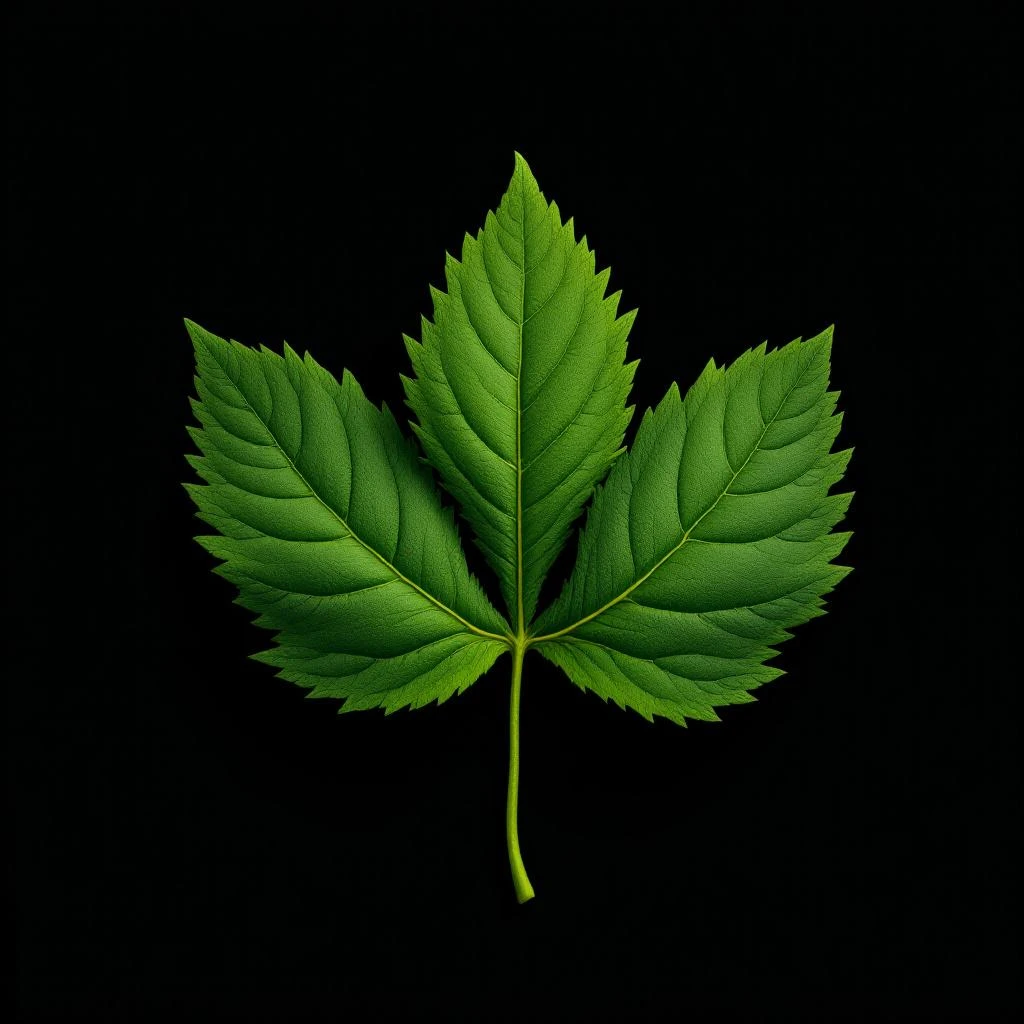
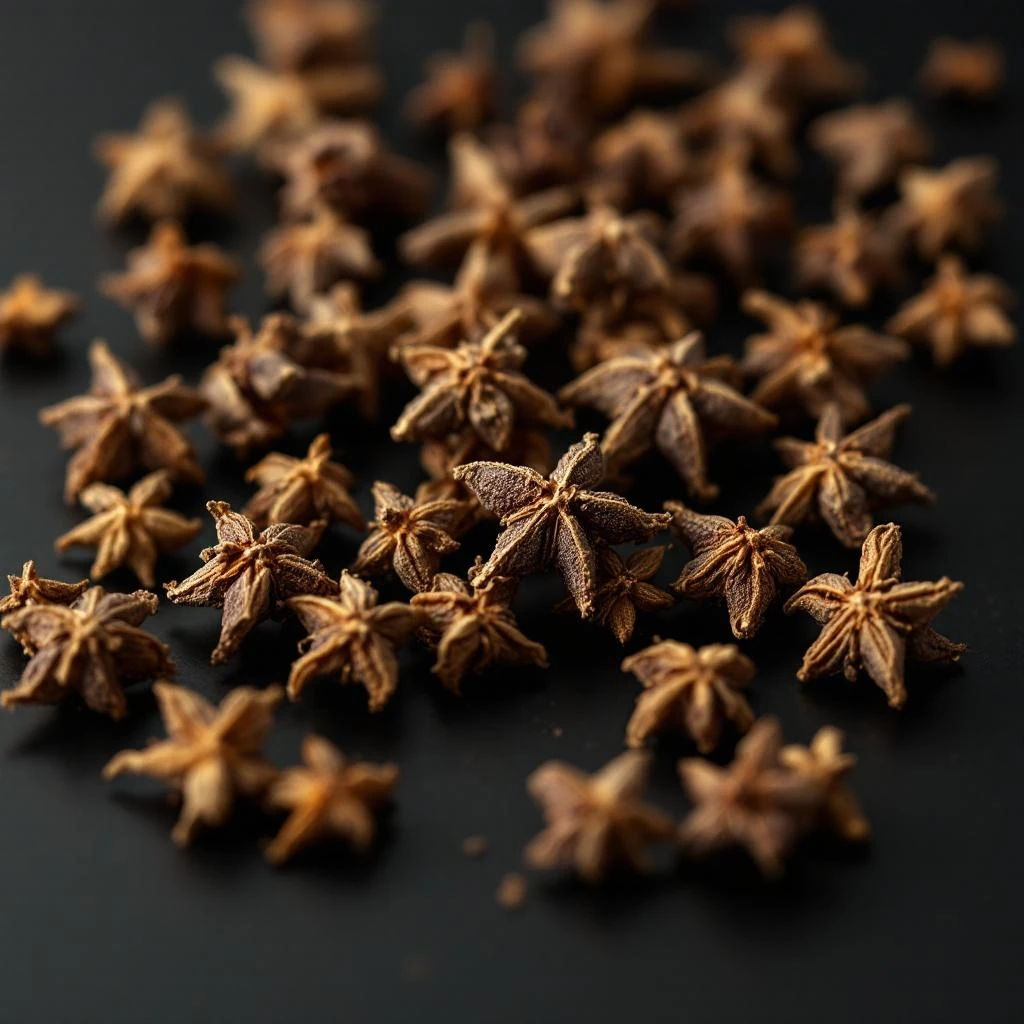
Wormwood's perfumery history is inseparable from absinthe, the emerald spirit that captivated 19th-century Paris. Distilled from Artemisia absinthium alongside anise and other botanicals, this legendary drink became the preferred stimulant of Baudelaire, Van Gogh, and Toulouse-Lautrec.
The thujone compound in wormwood gave absinthe its notorious reputation for inducing hallucinations and madness, eventually leading to prohibition across Europe and America by 1915. When absinthe returned to legal production in the 1990s, perfumers had already been working with wormwood for decades.
Today, Annual Wormwood appears in contemporary fragrances as both an aromatic material and a nod to this contentious past. Its herbaceous, slightly camphorated character adds a quiet complexity that few other ingredients can replicate.
Wears it best
Fragrances featuring Annual Wormwood
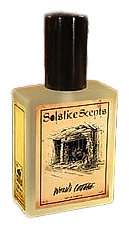
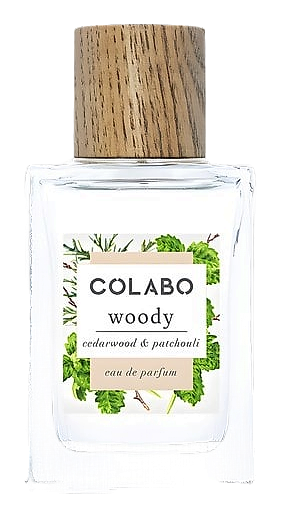
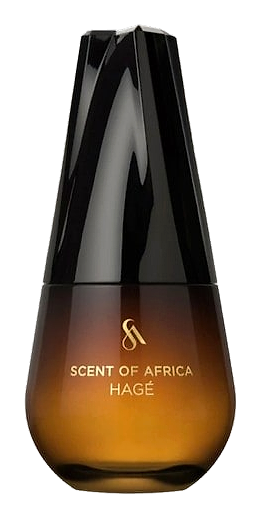
Brands
Brands known for Annual Wormwood
Good to know
Questions, answered
The essentials on Annual Wormwood in perfumery: how it smells, where it comes from, and how it behaves on skin.
What does Annual Wormwood smell like in perfume?
Annual Wormwood has an intensely herbaceous aroma with sharp, camphorated edges and a subtle bitter-sweet undertone. It works as a modifier, adding complexity and distinction to fragrances that rely on more conventional floral or citrus notes.
Is Annual Wormwood connected to the absinthe spirit?
Yes. Absinthe was originally made using Artemisia absinthium, the same botanical family as Annual Wormwood. The spirit dominated 19th-century Parisian culture before prohibition in 1915, and has since influenced how perfumers approach bitter herbaceous ingredients.
Where is Annual Wormwood produced for perfumery?
France leads production of wormwood for fragrance, with an annual output of approximately 10-15 metric tons. Morocco and the United States also cultivate the plant, though French wormwood remains the preferred variety for perfumery use.
What extraction method produces wormwood essential oil?
Steam distillation of the leaves and flowering tops yields wormwood essential oil. This process isolates the volatile aromatic compounds, including thujone, that give the oil its characteristic sharp, almost medicinal quality.
Why is thujone significant in wormwood?
Thujone is the primary aromatic compound responsible for wormwood's sharp, camphor-like scent. It also gave absinthe its notorious reputation for hallucinations, which led to the spirit's prohibition in the early 20th century.
How do perfumers use Annual Wormwood?
Perfumers deploy wormwood as a modifier and enhancer rather than a dominant note. It adds aromatic complexity and herbaceous depth to compositions, particularly in aromatic and fougère-style fragrances where it contributes an unexpected edge.
Is Annual Wormwood a sustainable fragrance ingredient?
Annual Wormwood grows readily across multiple continents and is not considered threatened or endangered. Annual production of approximately 10-15 metric tons ensures reliable supply for the fragrance industry.
Which fragrance families use Annual Wormwood?
Aromatic and fougère fragrances most commonly feature wormwood. It pairs effectively with lavender, oakmoss, and coumarin, adding a distinctly bitter-herbaceous counterpoint to these traditional perfumery materials.