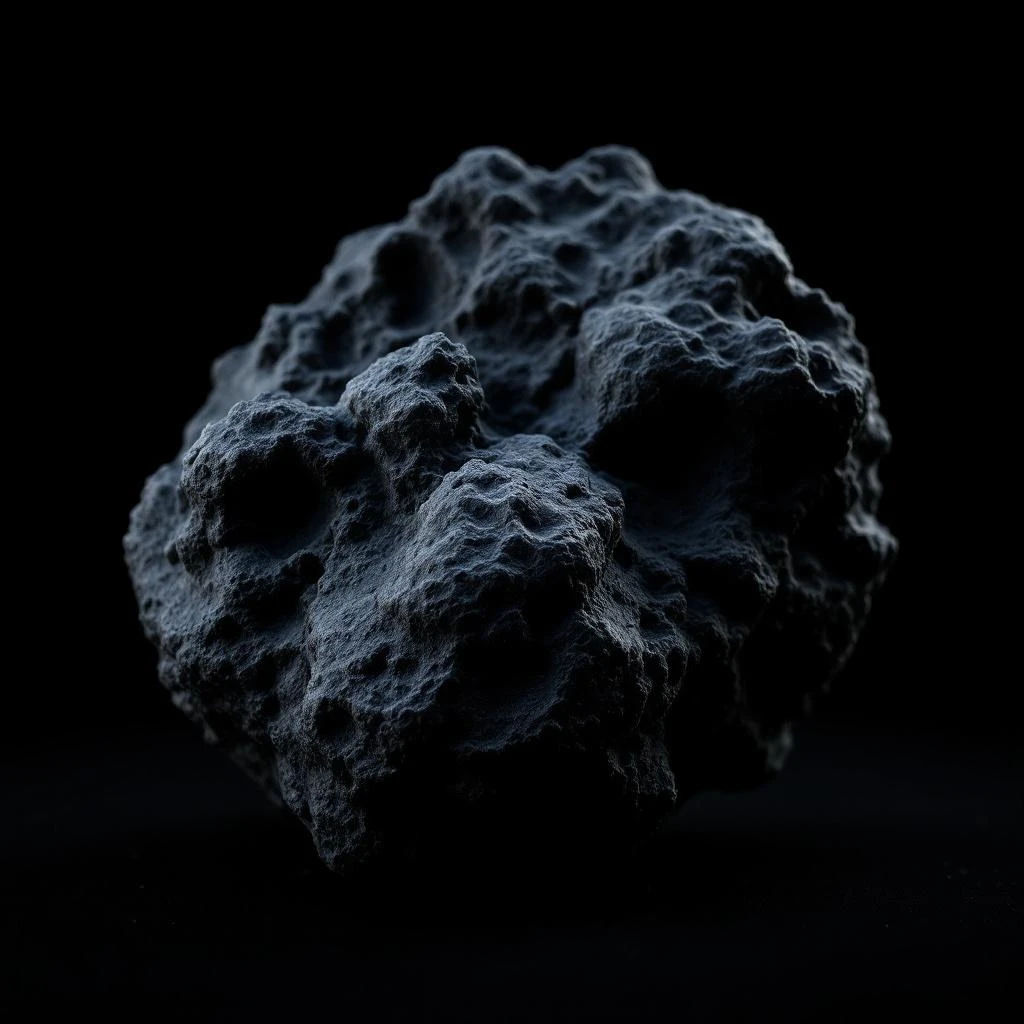
Animal Musk
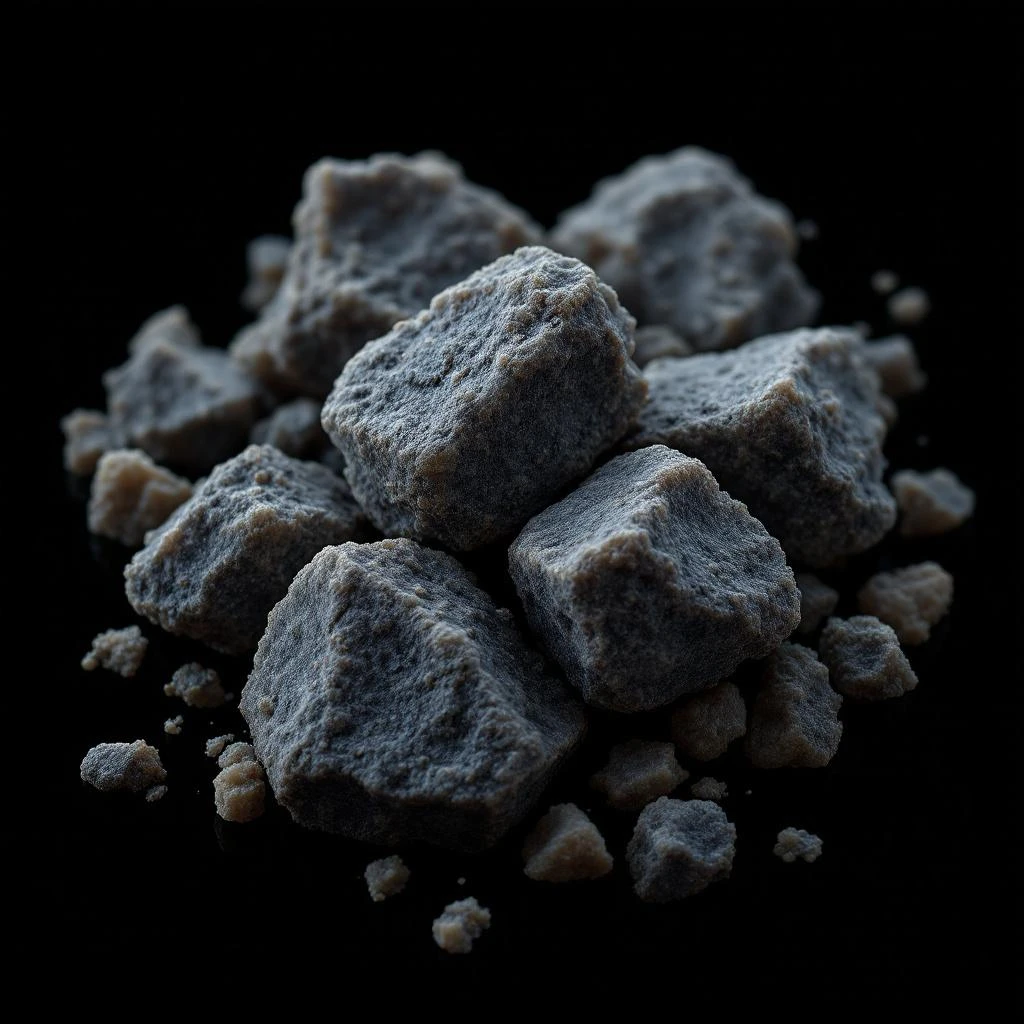
The primal heartbeat beneath countless legendary fragrances. Animal musk brings an unmistakable warmth, depth, and sensuality that synthetic alternatives still chase after a century of chemistry.
Character
How it smells
The primal warmth perfumers chase but cannot copy.
European hunters in the 1800s shot musk deer specifically for the pod, unaware that the tiny gland fetched more than gold by weight.

Origin
China
For over a thousand years, the word musk meant only one thing: natural animal musk from the musk deer of the Himalayas and Central Asia. Chinese and Tibetan documents from the 700s describe musk as a prized medicine, incense, and perfume ingredient. Arab traders carried it along Silk Road routes, where it rivaled spices in value. European physicians prescribed it for everything from headaches to depression.
When Marco Polo visited Mongol courts in the 13th century, musk deer hunts were already common. By the 1600s, musk had become a cornerstone of Western perfumery, lending warmth to the heavy florals that dominated the era. The turning point came in 1888, when Albert Baur first synthesized a nitro-musk compound. By 1926, Lavoslav Ružička at Firmenich had synthesized muscone itself, the primary molecule in natural musk.
Economic and ethical pressures finished what chemistry began. Today, natural animal musk survives only as a rarity and a reference point for perfumers.
Wears it best
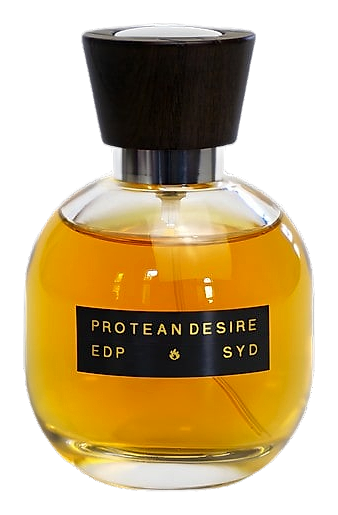
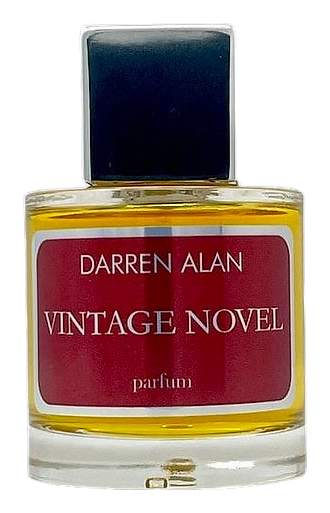
Fragrances featuring Animal Musk
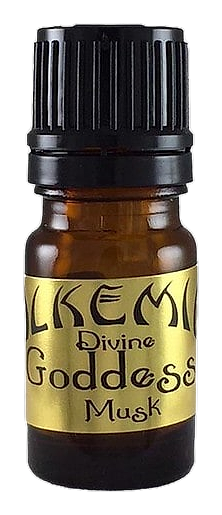
Brands
Brands known for Animal Musk
Good to know
Questions, answered
The essentials on Animal Musk in perfumery: how it smells, where it comes from, and how it behaves on skin.
What is animal musk in perfumery?
Animal musk refers to natural scent compounds harvested from animals, primarily the musk deer. It adds warmth, depth, and a primal animalic quality to fragrances that synthetic musks attempt to replicate.
Why did perfumery shift away from natural animal musk?
By the late 19th century, musk deer populations were declining sharply. Ethical concerns over how animals were harvested, combined with the high cost of natural musk, drove the development of synthetic alternatives.
What does animal musk smell like?
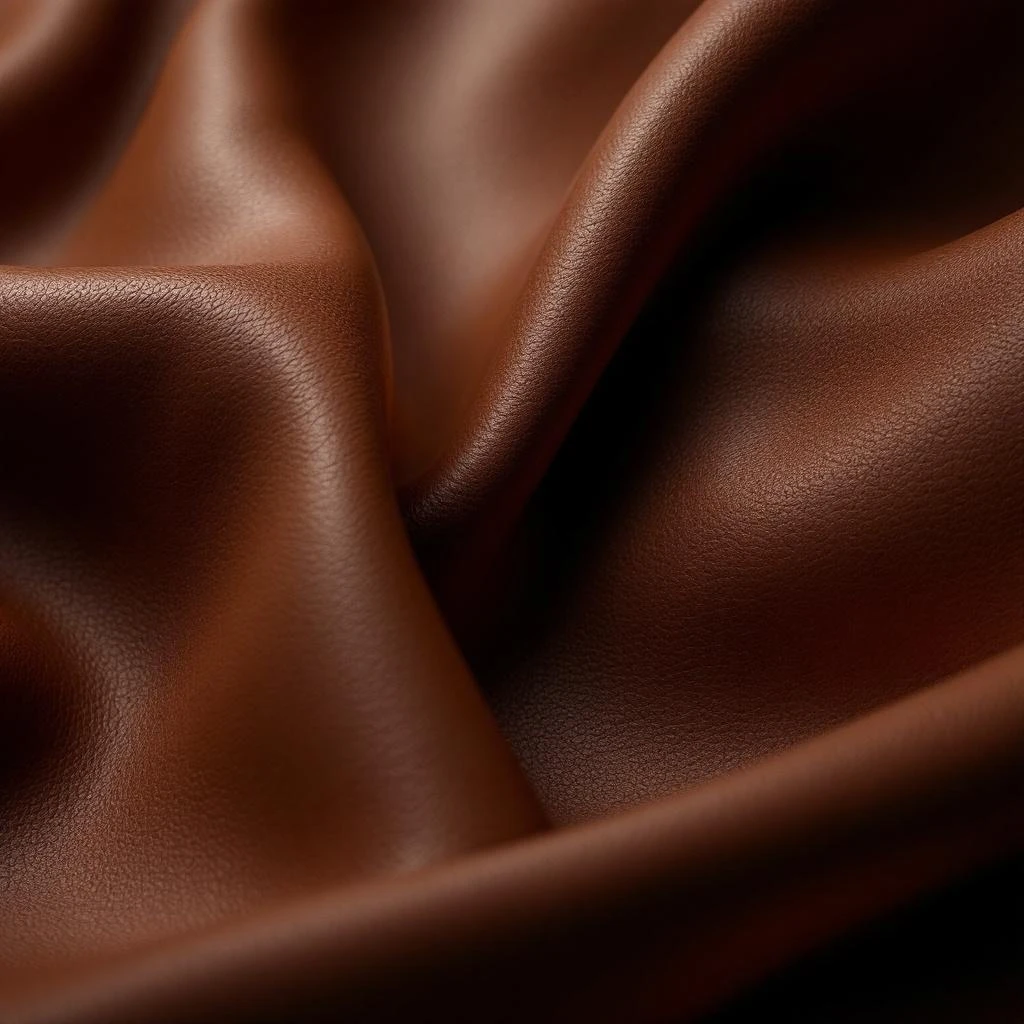
Natural musk deer musk has a warm, animalic, slightly fecal character with undertones of tobacco and leather. In dilution, it becomes smooth and enveloping, with remarkable staying power on skin.
What animals produce musk?
The primary sources are the musk deer, civet cat, and beaver. Sperm whales produce ambergris, a related animalic material used as a fixative. Each has a distinct scent profile and olfactory effect.
Is animal musk still used in modern perfumery?
Natural animal musk is now extremely rare due to international trade bans. It survives only in specialty contexts. Nearly all contemporary fragrances use synthetic musks, which offer consistent quality without ethical concerns.
What is ambergris and how is it different from musk?
Ambergris comes from sperm whales rather than musk-producing glands. It has a sweet, fecal, marine character and functions primarily as a fixative. It is found floating in the ocean or washed ashore, not harvested by killing animals.
Who first synthesized the musk molecule?
In 1926, Lavoslav Ružička, later a Nobel Prize laureate working at Firmenich, succeeded in synthesizing muscone, the primary aromatic molecule found in natural musk deer secretions.
How do perfumers use animalic notes today?
Perfumers layer synthetic musks with ingredients like iso E Super, castoreum absolutes, and cumin to create animalic warmth. These combinations simulate the depth and sensuality that natural animal musk once provided.