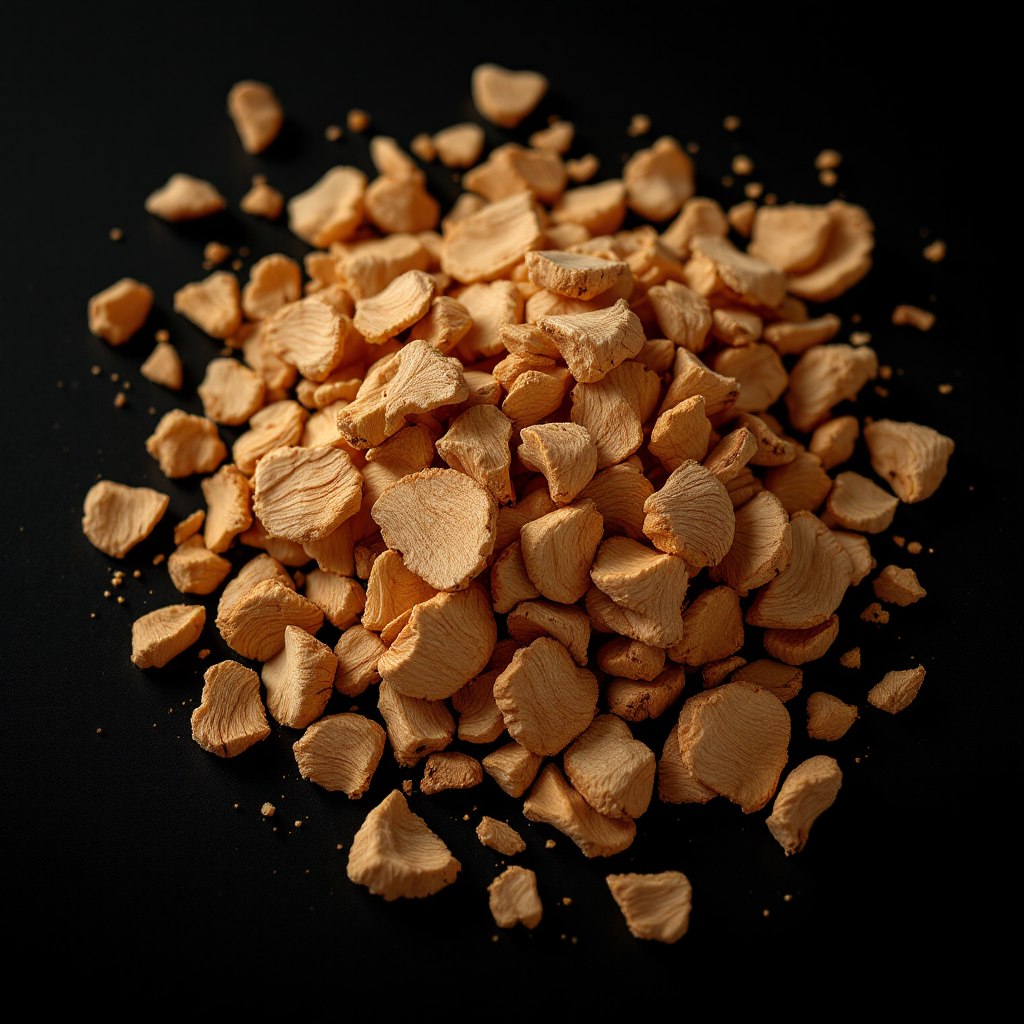
American Gaiac Wood
Guaiac wood delivers a warm, smoky, and subtly sweet aromatic profile that brings remarkable depth to fragrance compositions. Sourced from the resilient Guaiacum sanctum native to the Americas, this ingredient bridges centuries of indigenous tradition with modern perfumery.
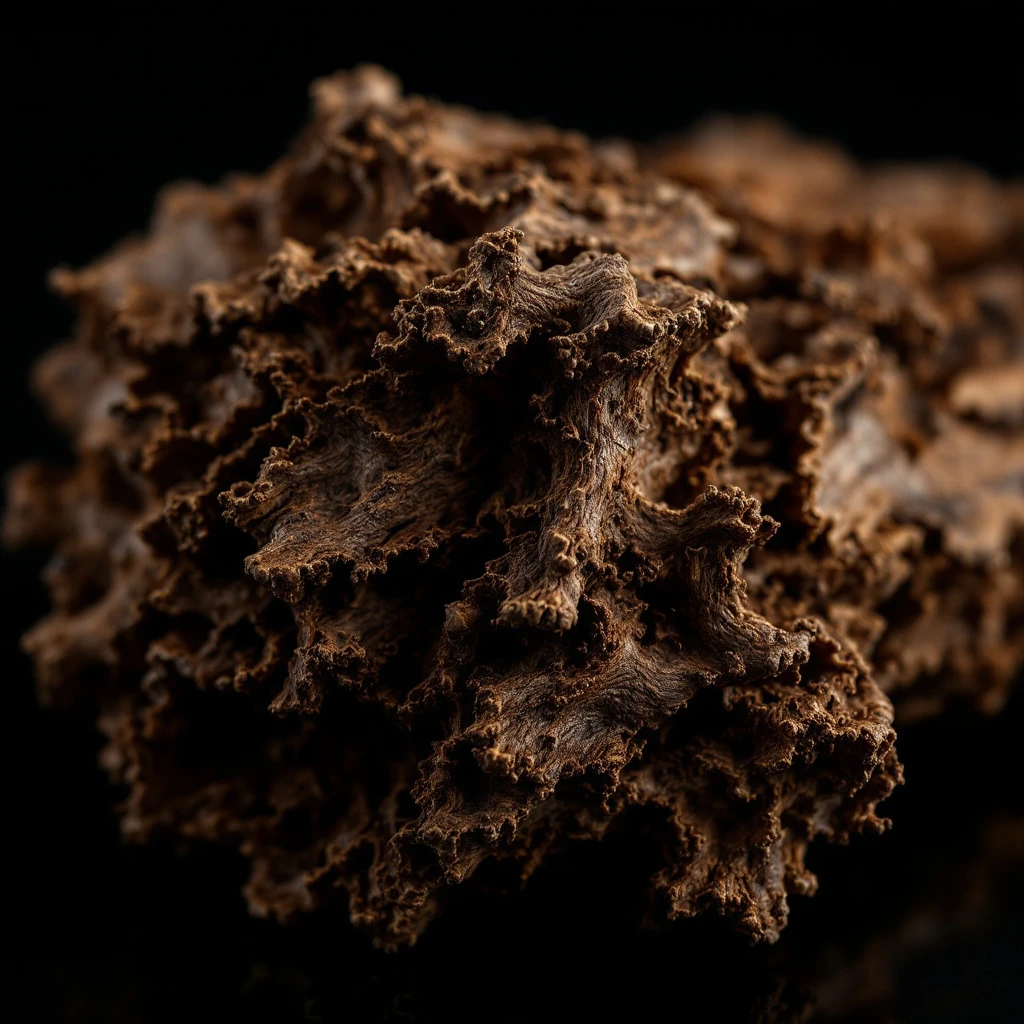
Character
How it smells
Smoky, warm, and subtly sweet — a wood with soul.
Native Americans used guaiac wood medicinally as early as the 1500s, long before it became a perfumery staple.









Origin
Paraguay
Long before guaiac wood entered perfumery, indigenous peoples of Central and South America held the Guaiacum tree in high regard. As early as the 1500s, Native Americans used guaiac wood preparations to treat serious ailments, earning the tree a reputation as a powerful natural remedy. Spanish colonizers encountered these practices and exported guaiac wood to Europe, where it became a treatment for syphilis and other conditions during the Renaissance.
The tree is native to the Caribbean, Paraguay, and surrounding regions. As perfumery matured, guaiac wood made a natural transition from the medicine cabinet to the fragrance lab. Today it ranks among the most commercially significant wood oils in the industry, prized for bringing warmth, smokiness, and structural depth to both fine fragrances and functional perfumery.
Its story traces a remarkable arc from sacred medicine to aromatic cornerstone.
Wears it best
Fragrances featuring American Gaiac Wood
Brands
Brands known for American Gaiac Wood
Good to know
Questions, answered
The essentials on American Gaiac Wood in perfumery: how it smells, where it comes from, and how it behaves on skin.
What does American guaiac wood smell like?
Guaiac wood has a warm, smoky character with subtle leather and dried tobacco nuances. A faint sweet note, reminiscent of dried fruit or Tonka bean, rounds out the profile. It reads as simultaneously earthy and softly resinous.
Is guaiac wood the same as oud?
No. Oud comes from agarwood trees infected with a specific mold, producing a complex, animalic resin. Guaiac wood is steam-distilled from the Guaiacum tree and offers a cleaner, smokier wood note without the intense animalic depth of oud.
Where does guaiac wood originate?
The Guaiacum tree grows across the Caribbean, Central America, and South America. Paraguay is a primary commercial source for guaiac wood oil, with the material also harvested from surrounding regions including Argentina.
How is guaiac wood oil extracted?
The extraction uses steam distillation over 24 hours. Wood shavings and sawdust from the trunk and branches are placed in a still; pressurized steam passes through, carrying aromatic compounds that condense into oil.
Can guaiac wood be overused in a fragrance?
Yes. When used at too high a concentration, guaiac wood can tip toward a slightly cured-meat character, sometimes described as a smoked ham note. Skilled perfumers use it in restrained amounts to preserve its warm, smoky quality.
What fragrance families use guaiac wood?
Guaiac wood appears across woody, oriental, and fougere compositions. It works particularly well alongside sandalwood, vetiver, and amber materials, adding smoky warmth and structural depth.
Is guaiac wood oil sustainable?
Guaiacum species face conservation pressure in parts of their range. Responsible sourcing through certified suppliers helps ensure the material originates from sustainably managed stands rather than overharvested wild populations.
Does guaiac wood have historical medicinal uses?
Native Americans used guaiac wood for medicinal purposes as early as the 1500s, treating serious ailments. Spanish colonizers later exported it to Europe, where it became a widely used remedy during the Renaissance period.