AmbreXolide
AmbreXolide is a synthetic musk molecule developed as a sustainable alternative to animal-derived musks. It delivers a clean, warm, and radiant ambrette-like scent with remarkable diffusion.
Character
How it smells
A modern musk, crafted without compromise
AmbreXolide is a captive molecule exclusive to Givaudan, designed specifically to replace restricted polycyclic musk ingredients once common in laundry and personal care products.



Origin
Switzerland
The history of AmbreXolide is inseparable from the broader story of musk in perfumery. Natural musks once came from animals such as the musk deer, civet, and sperm whale, making them rare, expensive, and ethically fraught. By the mid-twentieth century, chemists had developed synthetic polycyclic musks like Galaxolide and Tonalide to meet mass-market demand, particularly for detergents and soaps.
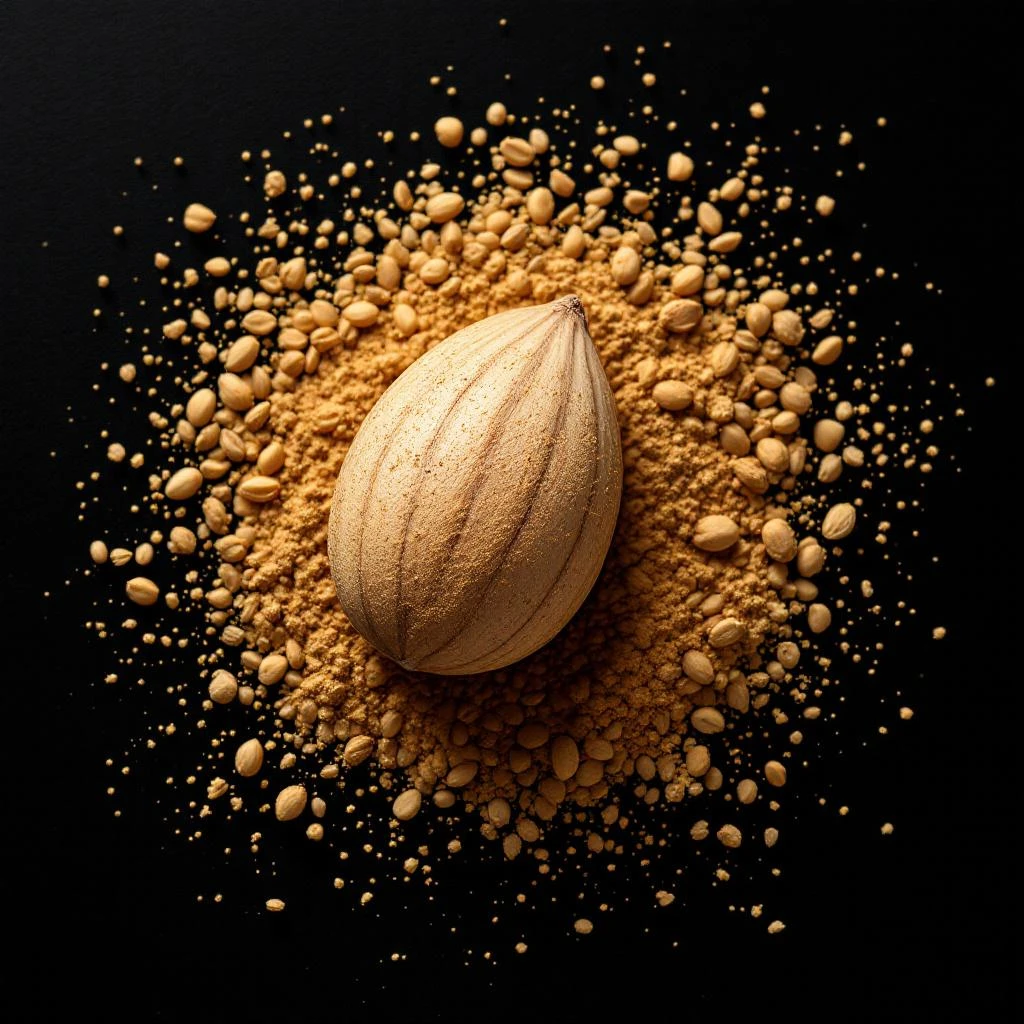
These compounds proved effective but raised ecological and bioaccumulation concerns by the 1990s and 2000s, prompting global regulation under REACH and similar frameworks. Givaudan responded by investing heavily in next-generation musk research, drawing on the legacy of ambrette seed, a plant-based musk source known since the 1920s through the work of chemist Max Kerschbaum. AmbreXolide emerged from this lineage as a modern, sustainable successor.
Its launch reflects a wider industry shift away from persistent bioaccumulative substances toward biodegradable, high-performance molecules that honor the original sensuality of natural musk without its historical baggage.
Wears it best
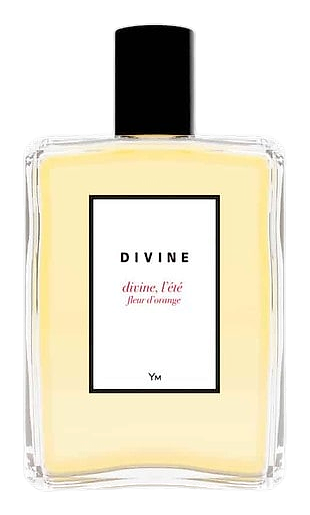
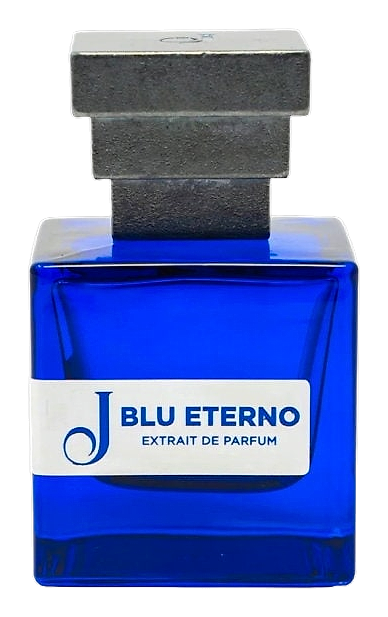
Fragrances featuring AmbreXolide
Brands
Brands known for AmbreXolide
Good to know
Questions, answered
The essentials on AmbreXolide in perfumery: how it smells, where it comes from, and how it behaves on skin.
What is AmbreXolide in perfumery?
AmbreXolide is a synthetic musk molecule developed by Givaudan as a sustainable alternative to traditional animal-derived and polycyclic musks. It delivers a warm, radiant ambrette-like character suitable for fine fragrance and functional products.
Is AmbreXolide a natural or synthetic ingredient?
AmbreXolide is fully synthetic, produced through multi-step organic chemistry. It is designed to capture the scent qualities of natural ambrette seed musk without relying on plant cultivation or animal sources.
What does AmbreXolide smell like?
AmbreXolide has a warm, clean musky scent with soft amber undertones and strong skin-like diffusion. It performs with excellent substantivity, meaning the scent lingers on skin and fabric for extended periods.
Why was AmbreXolide developed?
AmbreXolide was created to replace restricted polycyclic musks like Galaxolide and Tonalide, which faced regulatory scrutiny due to environmental persistence. It offers comparable olfactory performance with improved biodegradability.
Is AmbreXolide vegan and cruelty-free?
Yes. AmbreXolide contains no animal-derived materials and is produced entirely through chemical synthesis. It is widely used in vegan-certified fragrance formulations across personal care categories.
How is AmbreXolide different from natural musk?
Natural musk historically came from animal sources like the musk deer, whereas AmbreXolide is a laboratory-made molecule. Both share a warm, sensual character, though synthetic versions offer greater consistency and ethical sourcing.
Which fragrances commonly contain AmbreXolide?
As a relatively recent Givaudan captive ingredient, AmbreXolide appears primarily in newer launches from brands sourcing Givaudan bases. Specific formulations using it are typically disclosed in brand technical documentation.
Is AmbreXolide safe for skin use?
AmbreXolide has undergone standard IFRA safety evaluation and is approved for use within recommended concentration limits. It is considered non-sensitizing at typical fragrance dosages across leave-on and rinse-off applications.
In the same family