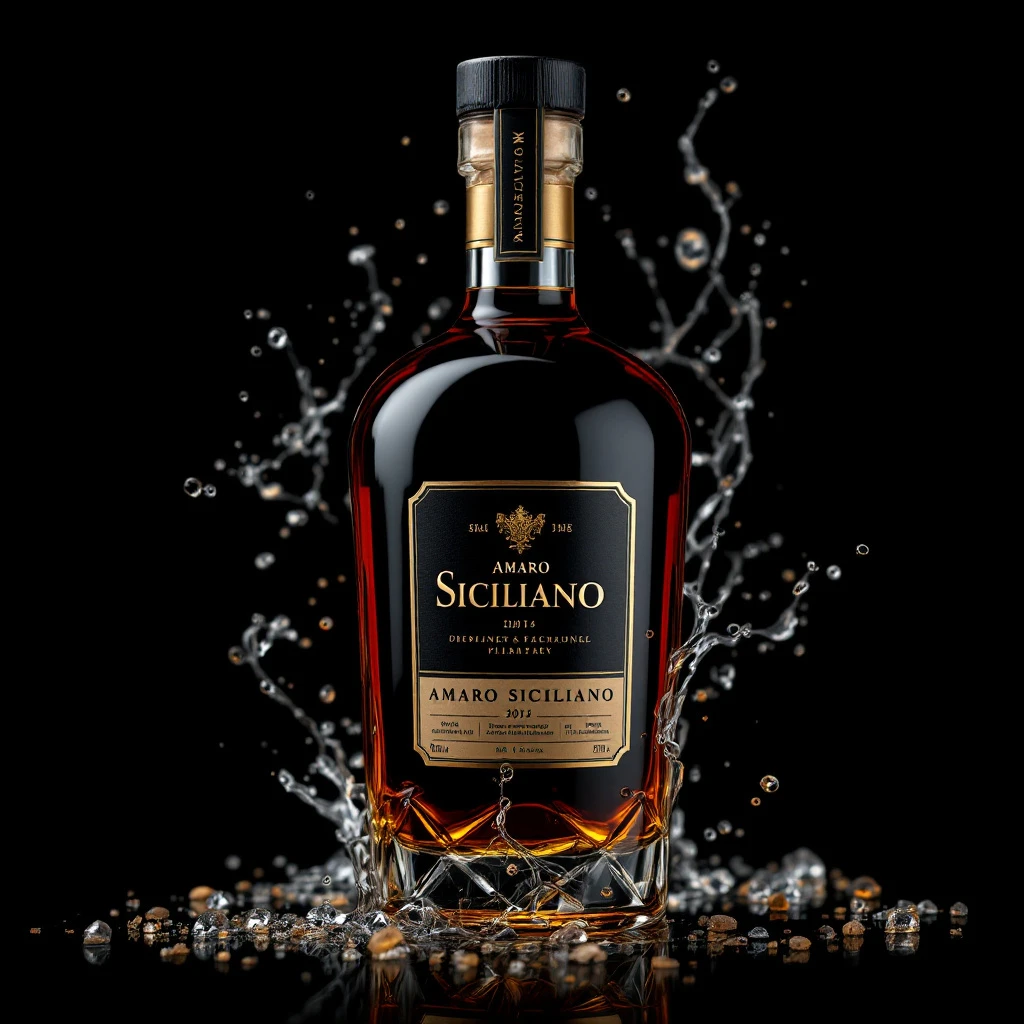
Amaro Siciliano
A bitter-sweet accord rooted in Sicilian herbal tradition. Amaro Siciliano blends aromatic herbs, citrus peel, and bitter botanicals to create that unmistakable Mediterranean character: sun-drenched, complex, and alive with tension.
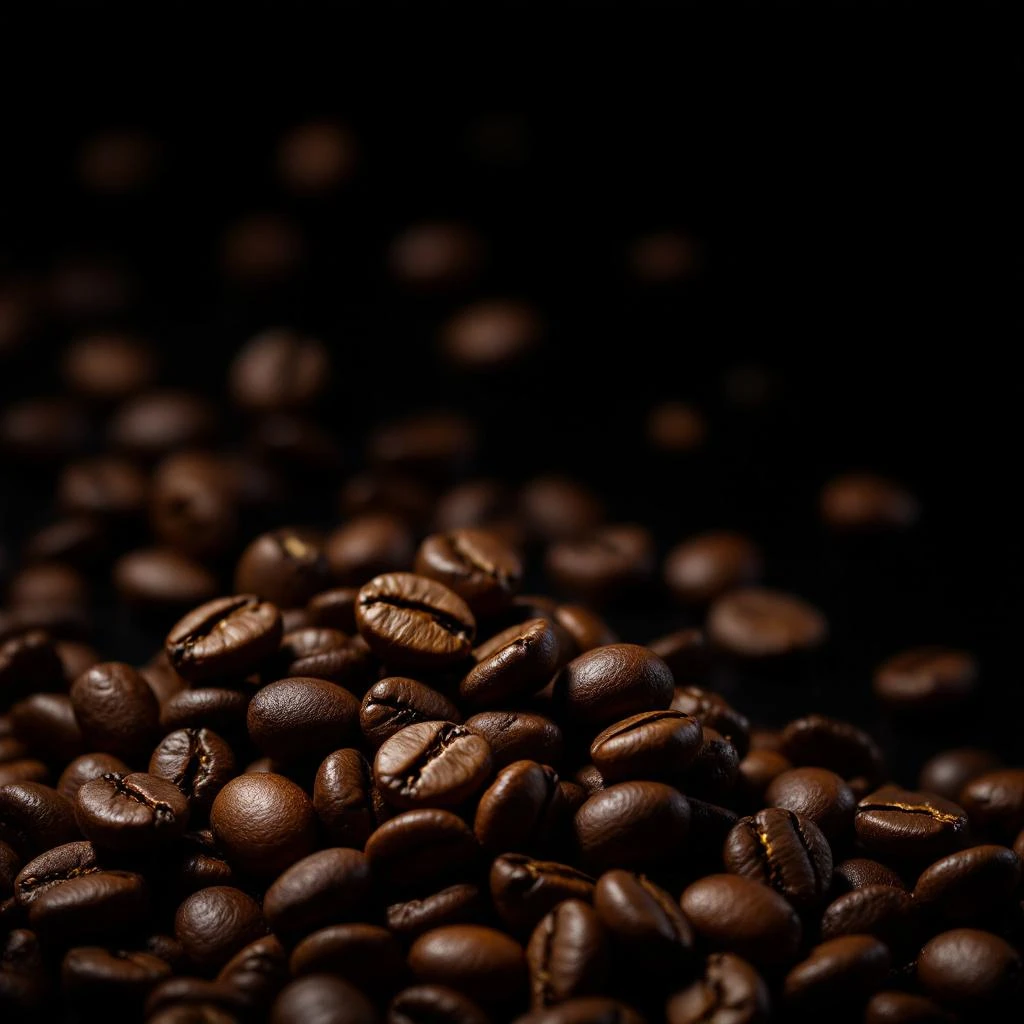
Character
How it smells
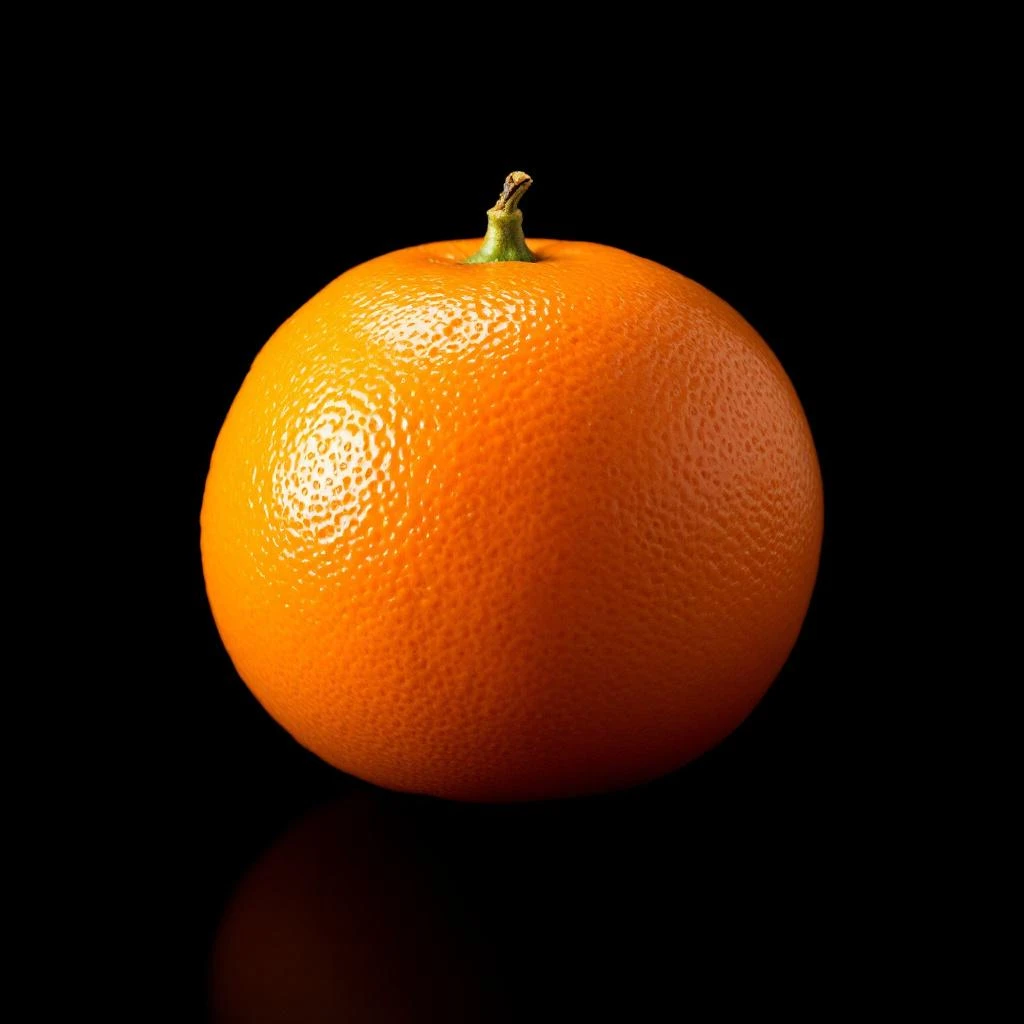
Bitter herbs meet golden citrus.
Amaro descends from ancient Roman digestifs. Wealthy Romans drank herb-infused wine after lavish feasts to settle their stomachs.



Origin
Italy
The bitter liqueur tradition stretches back to ancient Rome, where physicians served herb-infused wine as digestive remedies after lavish banquets. Food and sex-glutted nobles depended on these restorative tonics to function the following morning. Roman physicians documented hundreds of botanical formulas, planting seeds for a tradition that would flourish across Italy for two millennia.
Medieval monastic apothecaries transformed these folk remedies into codified herbal preparations. Italian monasteries became centers of botanical knowledge, preserving and refining recipes that mixed local flora with spices arriving via Mediterranean trade routes. Sicily's position at the crossroads of Europe, North Africa, and the Middle East made it a natural meeting point for diverse botanical traditions.
By the 18th and 19th centuries, Italian monasteries began commercial production of bitter liqueurs, and Sicily emerged as a distinct regional producer. Sicilian amaro makers combined native wild herbs, local citrus varieties, and bitter roots in recipes that reflected the island's unique terroir. The category solidified into the beloved after-dinner digestif Sicilians drink today, a ritual that has slowly filtered into fragrance as perfumers seek authentic Mediterranean botanical depth.
Wears it best
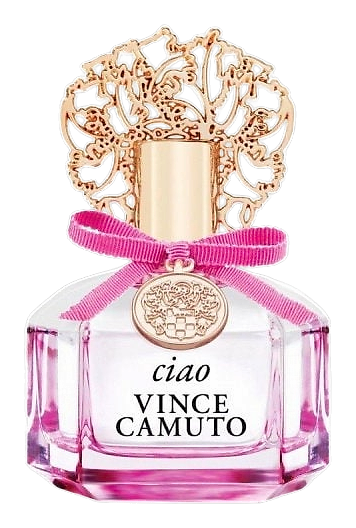
Fragrances featuring Amaro Siciliano
Good to know
Questions, answered
The essentials on Amaro Siciliano in perfumery: how it smells, where it comes from, and how it behaves on skin.
What is Amaro Siciliano in fragrance?
Amaro Siciliano is a fragrance accord inspired by Sicilian bitter liqueur, combining bitter herbs, citrus peel, and aromatic botanicals to evoke that characteristic Mediterranean bitter-sweet profile.
Where does Amaro Siciliano originate?
The bitter liqueur tradition originates in Sicily, Italy, where local herb growers and citrus farmers have crafted herbal digestifs for centuries using foraged and cultivated botanicals.
What does Amaro Siciliano smell like?
It combines bitter herbal notes with bright citrus and subtle earthy depth, creating a complex bitter-sweet tension characteristic of Sicilian herbal liqueurs.
How is the Amaro Siciliano accord produced?
Botanicals macerate in high-proof alcohol for several weeks at controlled temperatures, preserving delicate volatile compounds that heat-based methods would compromise.
What botanicals make up this accord?
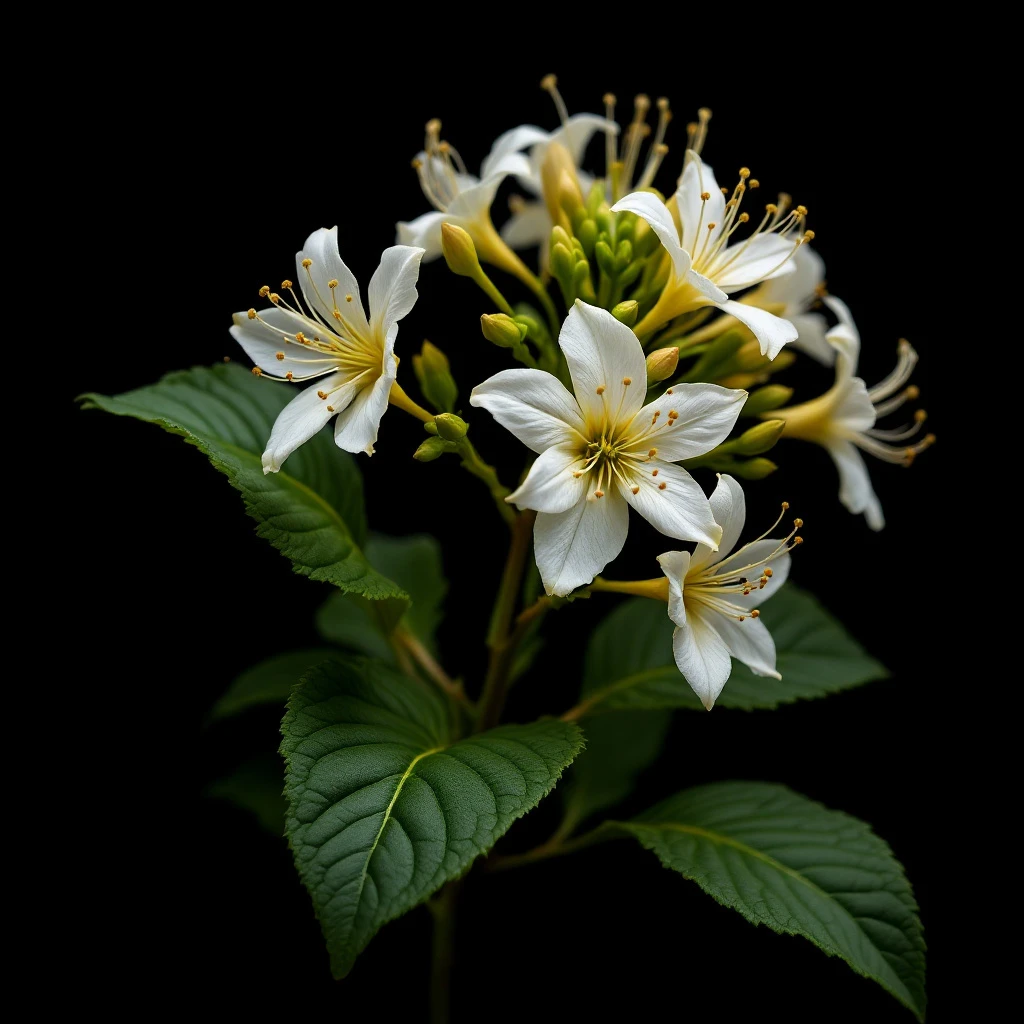
Typical ingredients include bitter herbs like wormwood and gentian, aromatic herbs such as sage and thyme, citrus peel, and aromatic roots, all sourced from Sicilian producers.
Is this note synthetic or natural?
The accord typically combines naturally extracted bitter herbs and cold-pressed citrus oils, though perfumers may layer natural and nature-identical materials to achieve consistency.
How is Amaro Siciliano used in perfume?
It functions as a heart or base note, adding bitter complexity and Mediterranean depth. It pairs well with citrus, resinous woods, and warm spices.
What drinks use bitter Sicilian botanicals?
Amaro is the most famous Sicilian bitter liqueur, drunk as a digestif after meals. Italy produces over 200 distinct amaro styles, each reflecting local botanical traditions.