Amalfi Orange
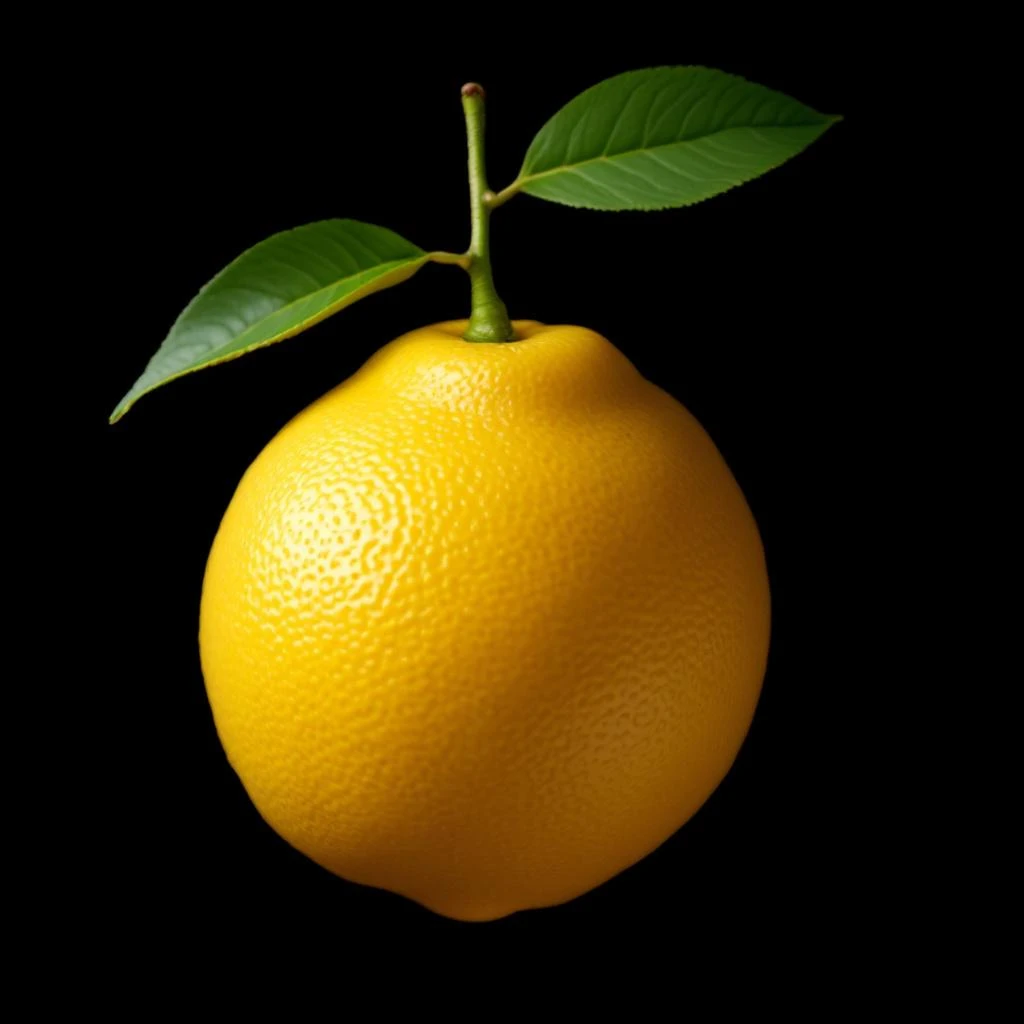
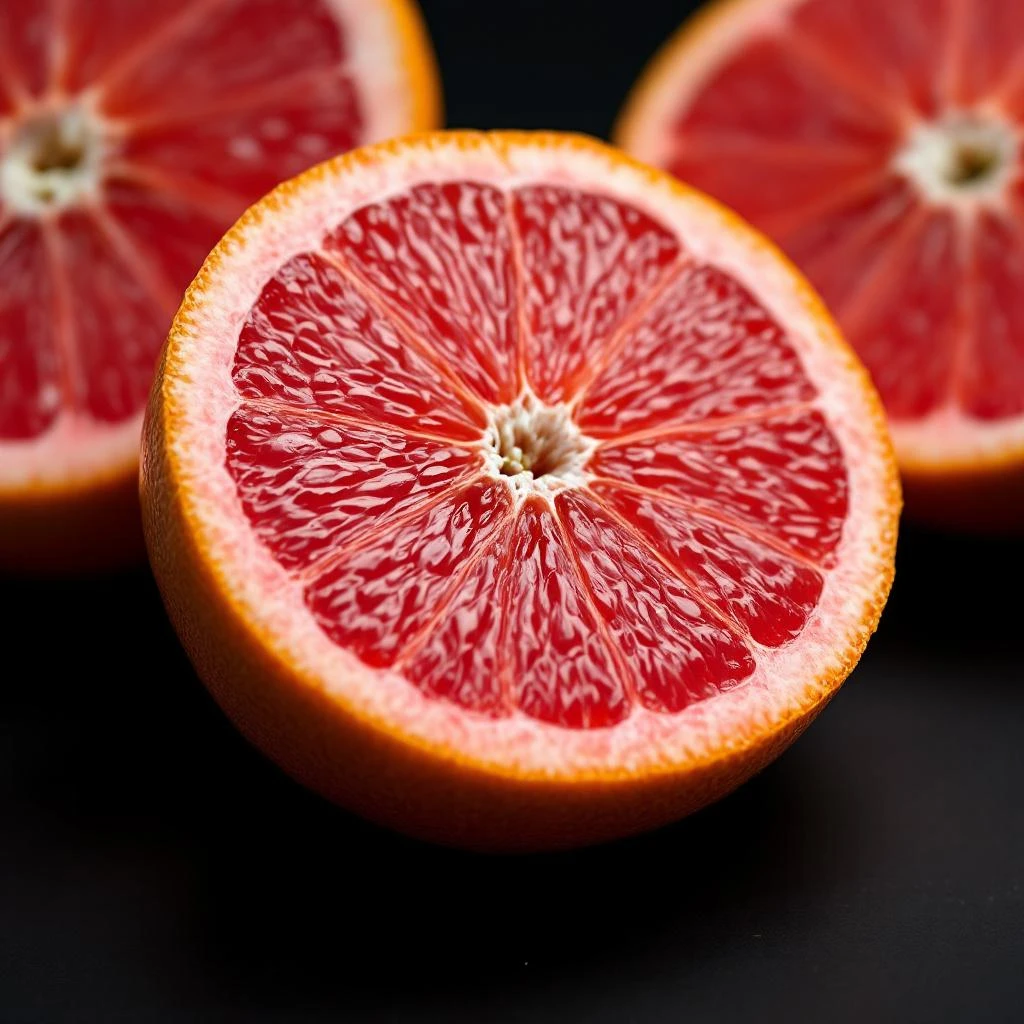
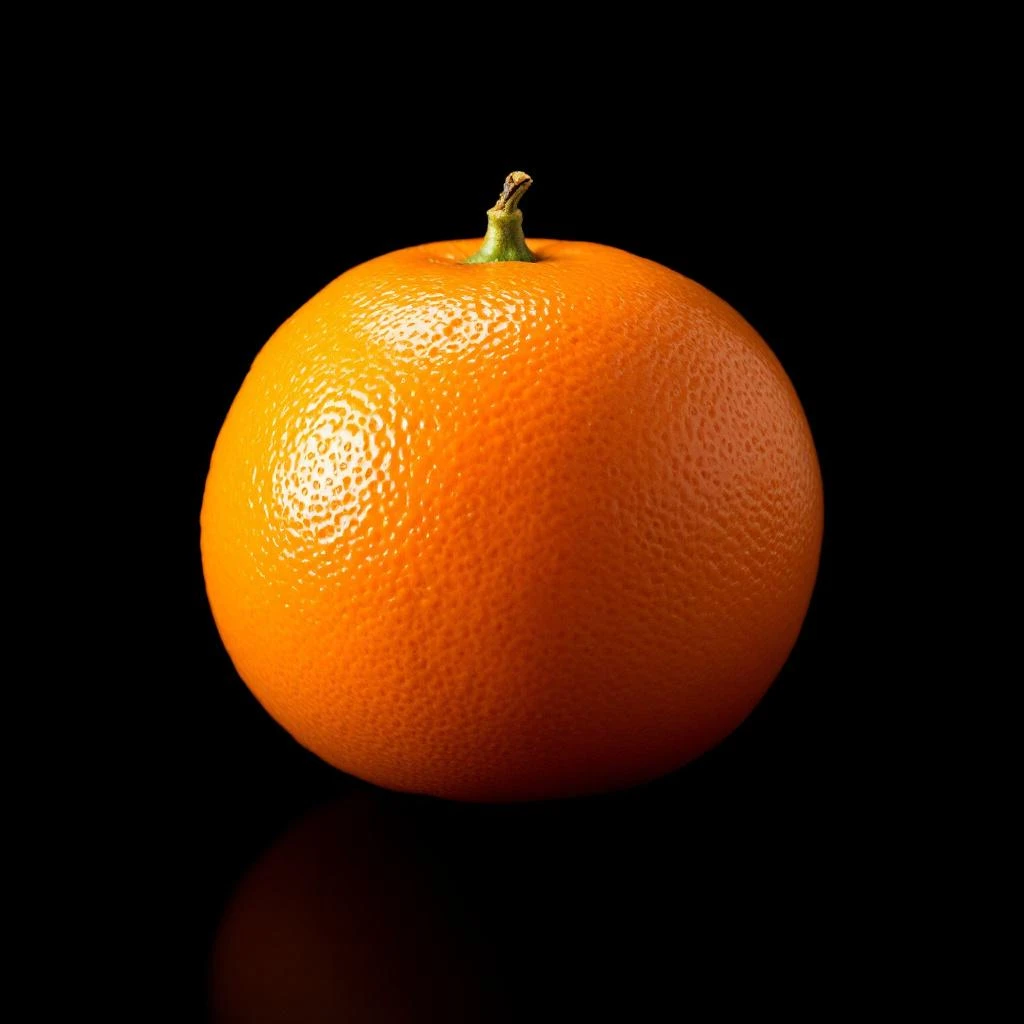
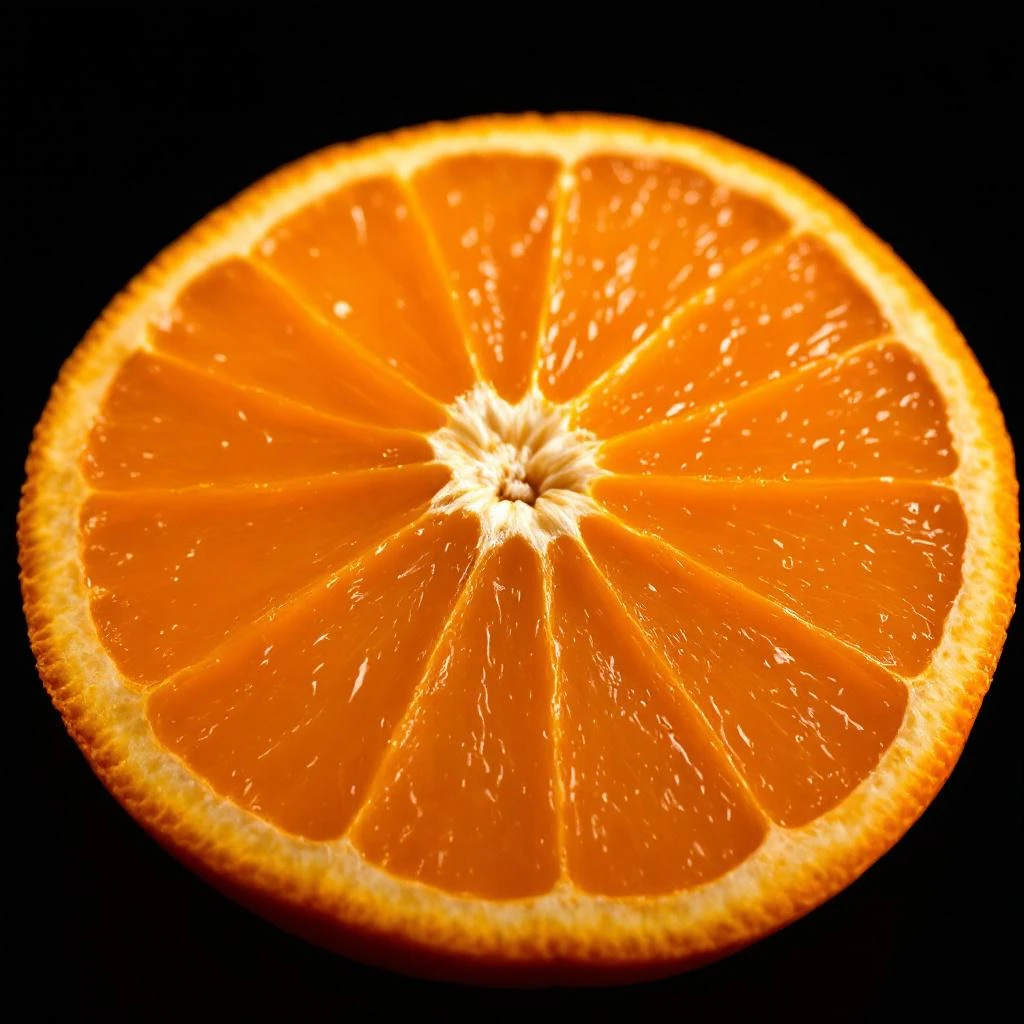
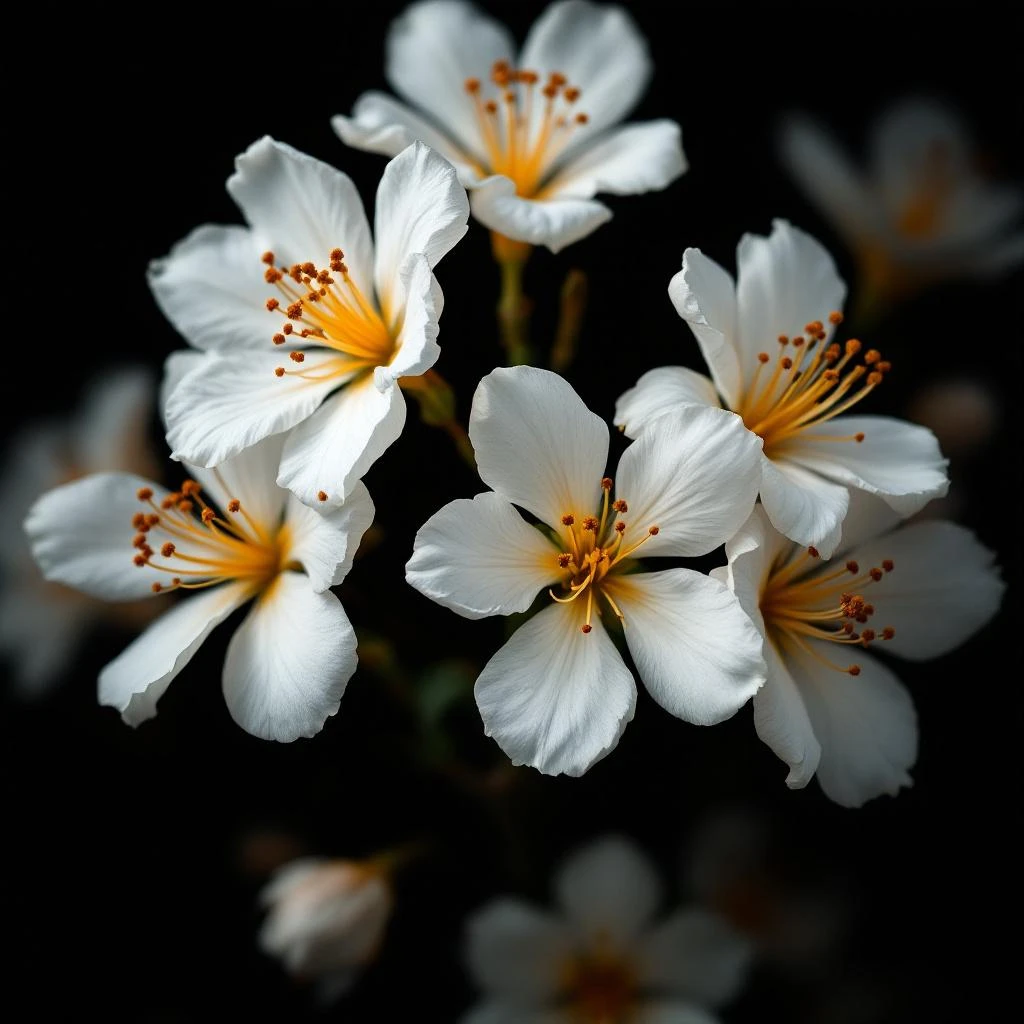
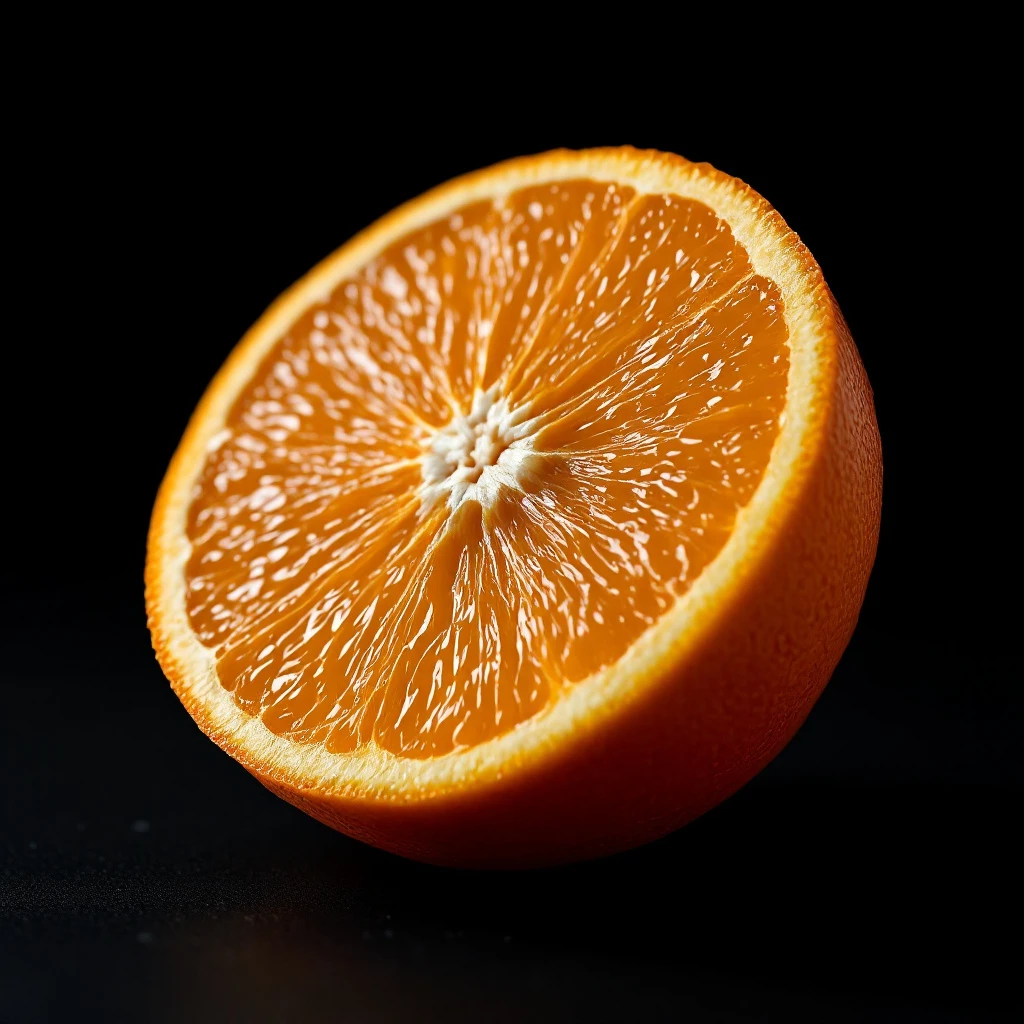
Amalfi orange captures the sun-soaked zest of Sfusato lemons and oranges ripening along Italy's Tyrrhenian coast. Its juice-bright, effervescent character delivers an unmistakable Mediterranean signature.
Character
How it smells
Sun-soaked zest from Italy's coastal cliffs
Amalfi Coast oranges are larger and sweeter than common varieties, with thinner peels prized for their intensely aromatic oil.
Pairs beautifully with


Origin
Italy
Amalfi Coast citrus cultivation stretches back to the early medieval period, when Saracen traders introduced bitter orange and lemon varieties to southern Italy around the 9th and 10th centuries. By the 11th century, Amalfi had become a maritime powerhouse, trading its preserved citrus fruits across the Mediterranean.
The terraced groves carved into steep coastal cliffs, a UNESCO World Heritage landscape, evolved over centuries into a defining regional identity. Locals developed limoncello in the early 20th century, using the abundant Sfusato lemons, while orange oil found its way into European perfumery as the demand for fresh, natural citrus notes grew.
The 1956 frost that devastated Grasse's orange groves shifted much neroli production to North Africa, but Amalfi remained the gold standard for cold-pressed sweet orange oil. Today, the Consortium for the Protection of the Amalfi Coast Sfusato enforces strict origin rules, preserving both agricultural heritage and aromatic quality.
Wears it best
Fragrances featuring Amalfi Orange
Brands
Brands known for Amalfi Orange
Good to know
Questions, answered
The essentials on Amalfi Orange in perfumery: how it smells, where it comes from, and how it behaves on skin.
What does Amalfi orange smell like?
Amalfi orange smells bright, juicy, and sun-warmed, with a sweeter, less acidic edge than standard sweet orange. The Sfusato cultivar lends a slightly floral, almost honeyed undertone beneath the zesty top notes.
Is Amalfi orange the same as neroli?
No. Amalfi orange oil comes from cold-pressing the fruit peel, while neroli is steam-distilled from the bitter orange tree's blossoms. They share botanical origins but offer entirely different aromatic profiles.
Where are Amalfi oranges grown?
Amalfi oranges grow on terraced coastal cliffs along Italy's Tyrrhenian seaboard, primarily in the provinces of Salerno. The protected Sfusato Amalfitano cultivar is exclusive to this UNESCO-listed region.
How is Amalfi orange oil extracted?
Cold expression is the dominant method. The peel is mechanically pressed to rupture oil glands, then the oil is separated via centrifugation. This heat-free process preserves the volatile top notes that define the fruit's character.
Why is Amalfi citrus considered premium?
Strict geographic protections limit authentic Amalfi Sfusato production to designated terraces. Its thinner peel yields more oil per fruit, and the coastal microclimate produces a consistently sweeter, more complex aroma than mass-market oranges.
Can Amalfi orange be synthesized?
Yes. Companies produce synthetic limonene and reconstructed orange accords in laboratories. However, natural cold-pressed oil contains trace compounds like aldehydes and esters that are difficult to replicate fully, giving it superior depth.
What perfumes use Amalfi orange?
Amalfi orange appears in classic colognes, Mediterranean-themed fragrances, and citrus-forward eau de toilettes. Houses like Acqua di Parma have built identities around Italian citrus, often featuring Sfusato-derived oils.
How long does Amalfi orange oil last?
Like most citrus oils, Amalfi orange has a short skin life of roughly one to two hours. Its volatility is what makes it prized as a top note, opening a composition with instant brightness before fading.