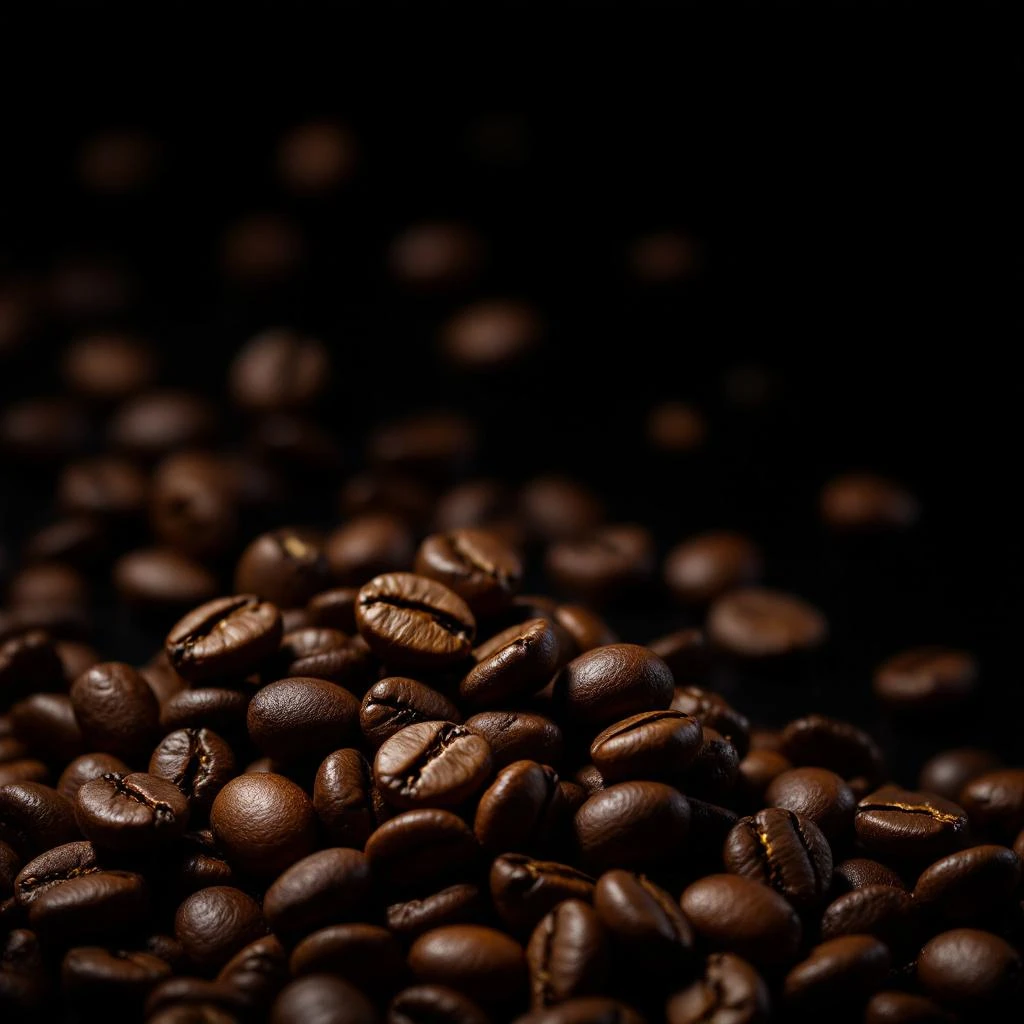
Almond Praliné
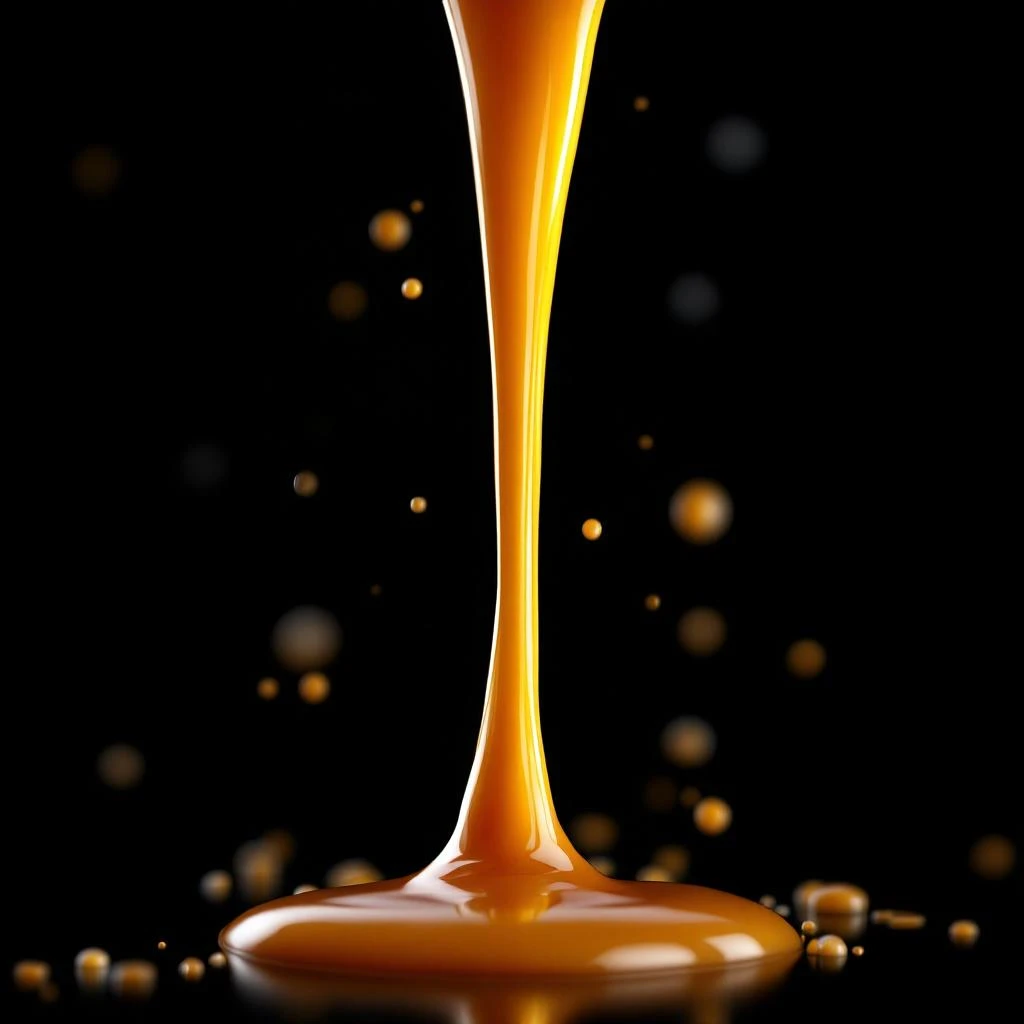
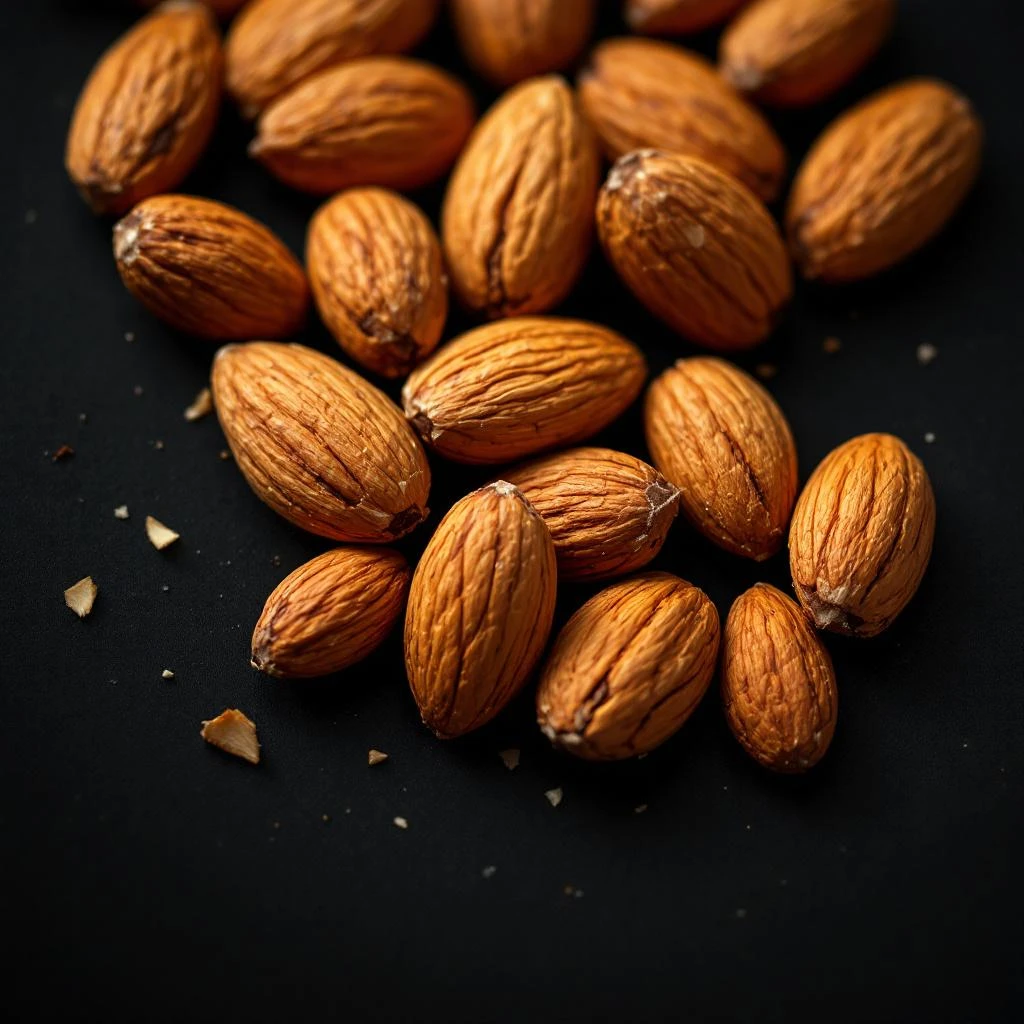
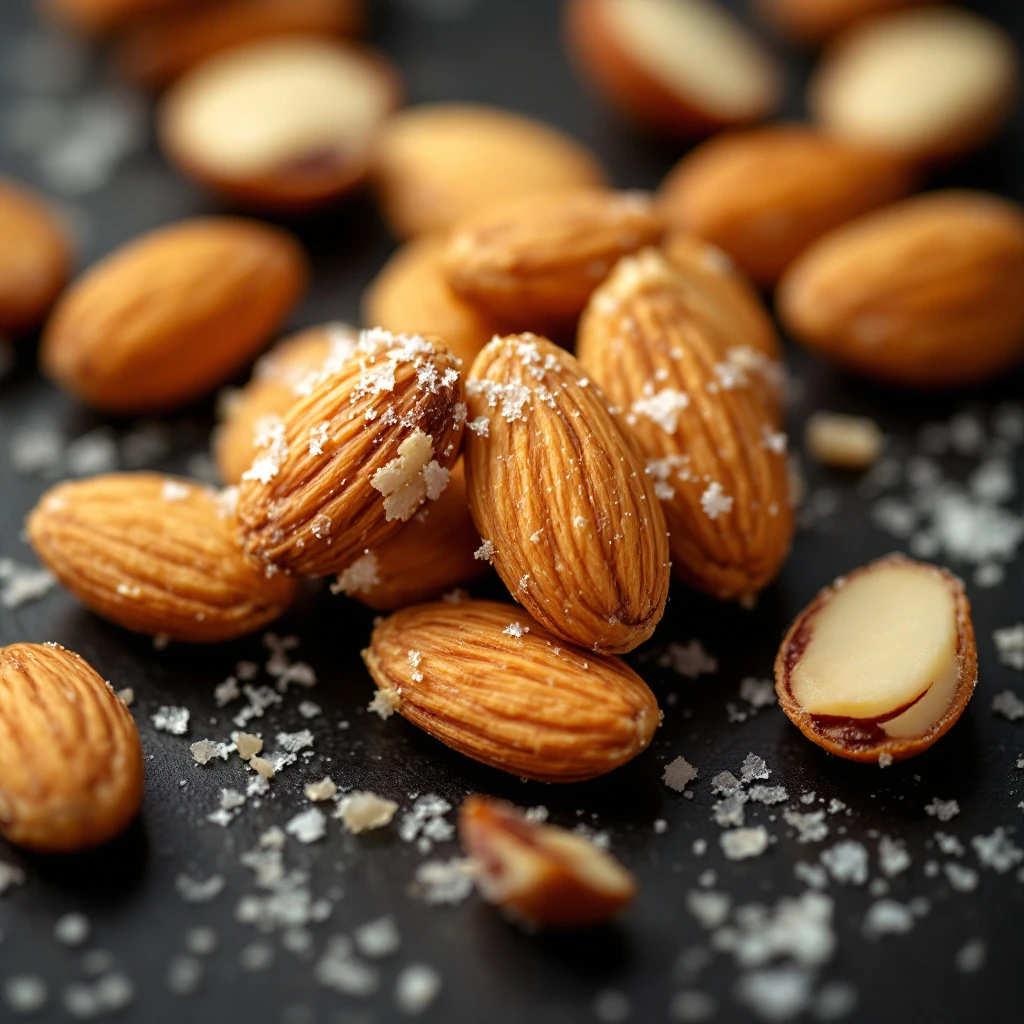
A warm embrace of roasted almonds bound in caramelized sugar, praliné brings the indulgence of a French confection into the bottle. This edible note transforms fragrance into something you want to taste, evoking comfort, warmth, and quiet luxury.
Character
How it smells
The scent of a French patisserie wrapped in silk.
The original praline was created entirely by accident when Chef Clement Lassagne overheated sugar while preparing almonds for a French diplomat in the 1730s.



Origin
France
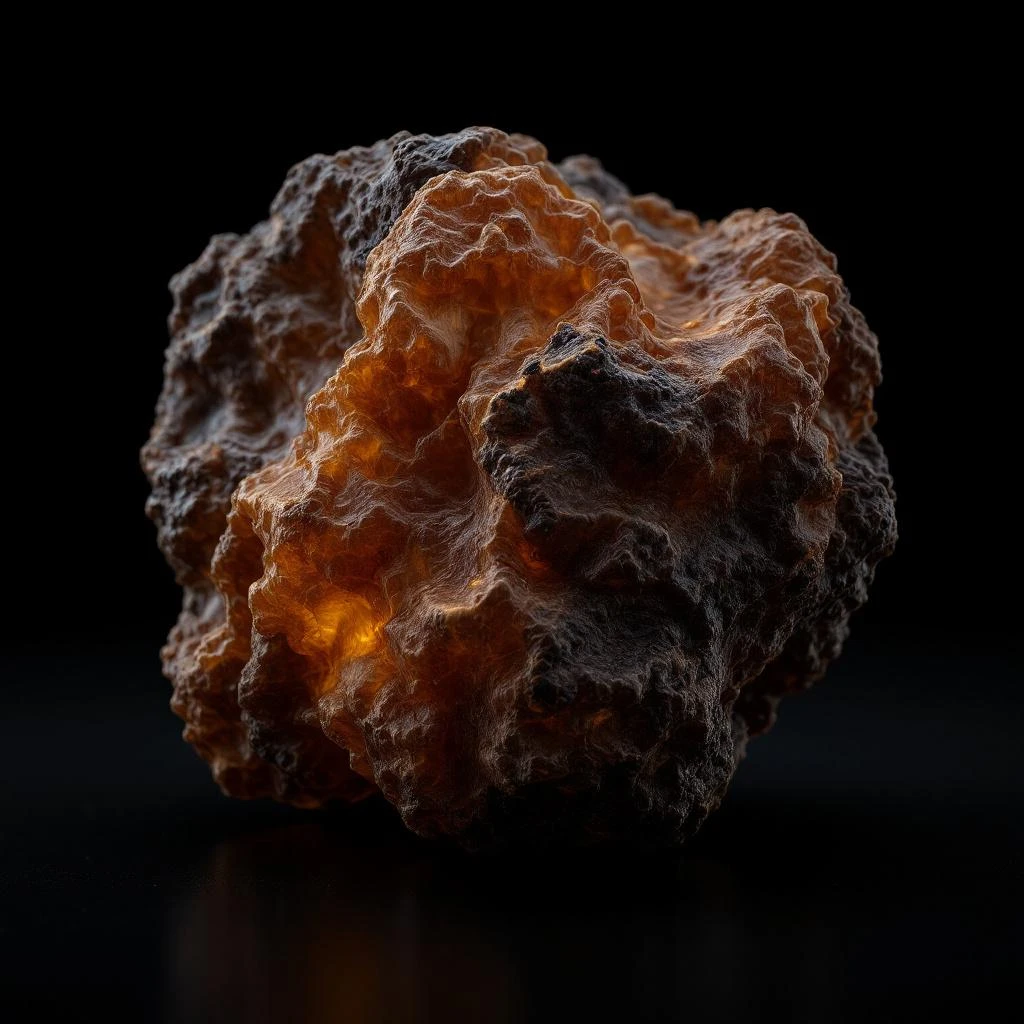
The praliné we know in perfumery traces its roots to a French kitchen in the 1730s. Chef Clement Lassagne was preparing a gift for diplomat César duc de Choiseul, Comte du Plessis-Praslin, when he accidentally burned the caramelized sugar coating his almonds.
Rather than discard them, Choiseul tasted the mixture and declared it extraordinary. The diplomat's name eventually became the word praline in French.
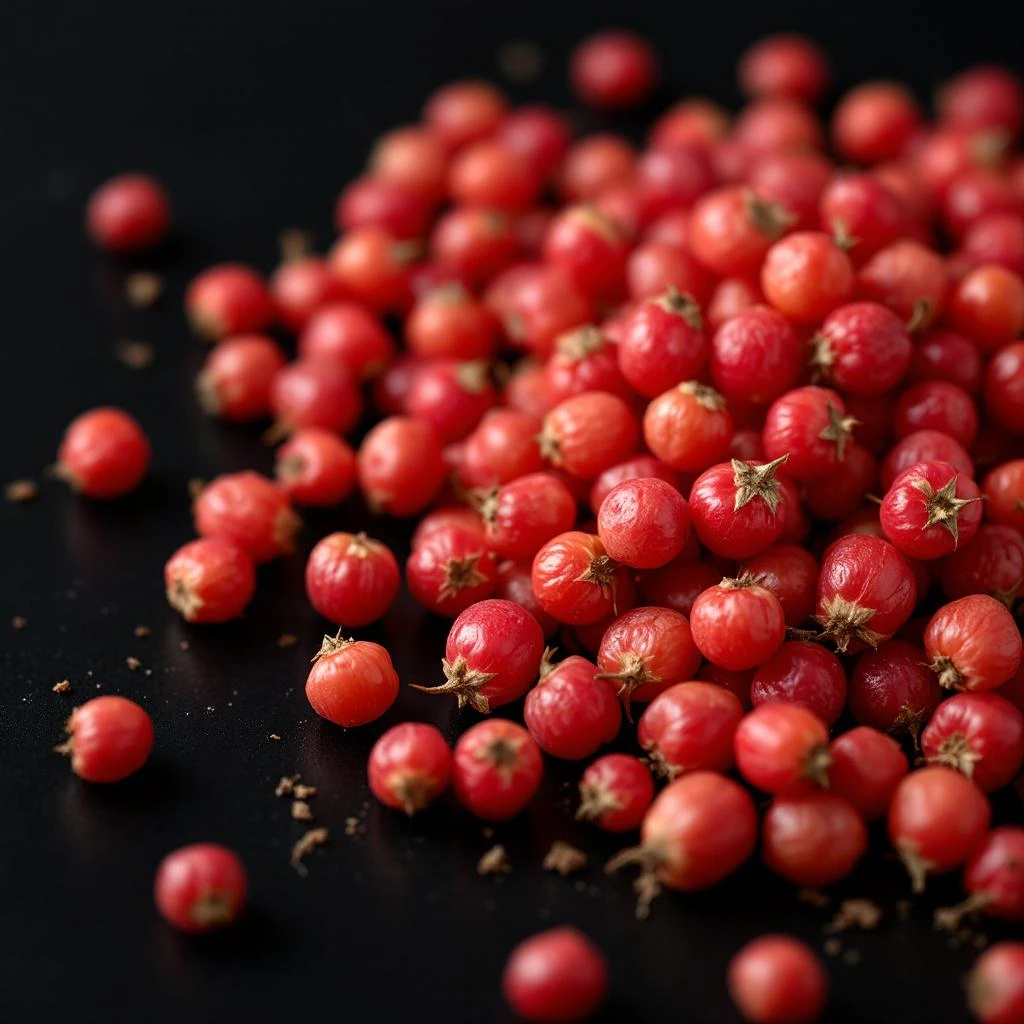
When gourmand perfumery emerged in the late 20th century, this edible concept made a natural transition from confection to fragrance. The French Alps, where Lassagne worked and where apricot cultivation thrives, remain the spiritual home of praliné in both culinary and perfumery traditions.
Wears it best
Fragrances featuring Almond Praliné

Good to know
Questions, answered
The essentials on Almond Praliné in perfumery: how it smells, where it comes from, and how it behaves on skin.
What does Almond Praliné smell like in perfume?
Praliné opens with the sweet, slightly bitter character of roasted almonds before revealing warm caramel and creamy vanilla. It reads as edible and comforting, like walking past a French bakery where praline pastries cool on the counter.
Is Almond Praliné natural or synthetic?
Praliné is typically synthetic in perfumery. Perfumers construct the note using benzaldehyde, a compound that precisely mimics natural almond scent, combined with vanillin and caramel accords to build the full praliné effect.
Where does praliné originate from?
Praliné was born in France during the 1730s. Chef Clement Lassagne created the first praline by coating almonds in caramelized sugar for diplomat César duc de Choiseul, whose name eventually became the word praline.
Can praliné be found naturally in ingredients?
Natural praliné notes exist in apricot kernels. Hydrodistilling apricot pits releases benzaldehyde, the same compound that gives bitter almonds their characteristic scent. One apricot pit contains enough aromatic potential to influence a fragrance composition.
Why do perfumers use praliné notes?
Praliné adds warmth and emotional resonance to fragrances. The note triggers associations with comfort and indulgence, making it particularly effective in oriental and gourmand compositions where it anchors the dry-down phase.
What fragrance families use Almond Praliné?
Praliné dominates gourmand and oriental families but appears across styles. It pairs with vanilla and tonka bean in sweet compositions, with oud and incense in darker interpretations, and with woody notes in contemporary gender-fluid fragrances.
Does praliné smell like marzipan?
Praliné and marzipan share almond DNA but differ significantly. Marzipan is pure, sweet almond paste. Praliné adds caramelized sugar and toasted edges, giving it a warmer, more complex character that suggests actual confection rather than raw nut.
How long does praliné last in a fragrance?
Praliné performs well as a heart and base note, typically remaining detectable for 4 to 6 hours depending on concentration. It gains longevity when paired with musks, woods, or amber materials that slow its evaporation.