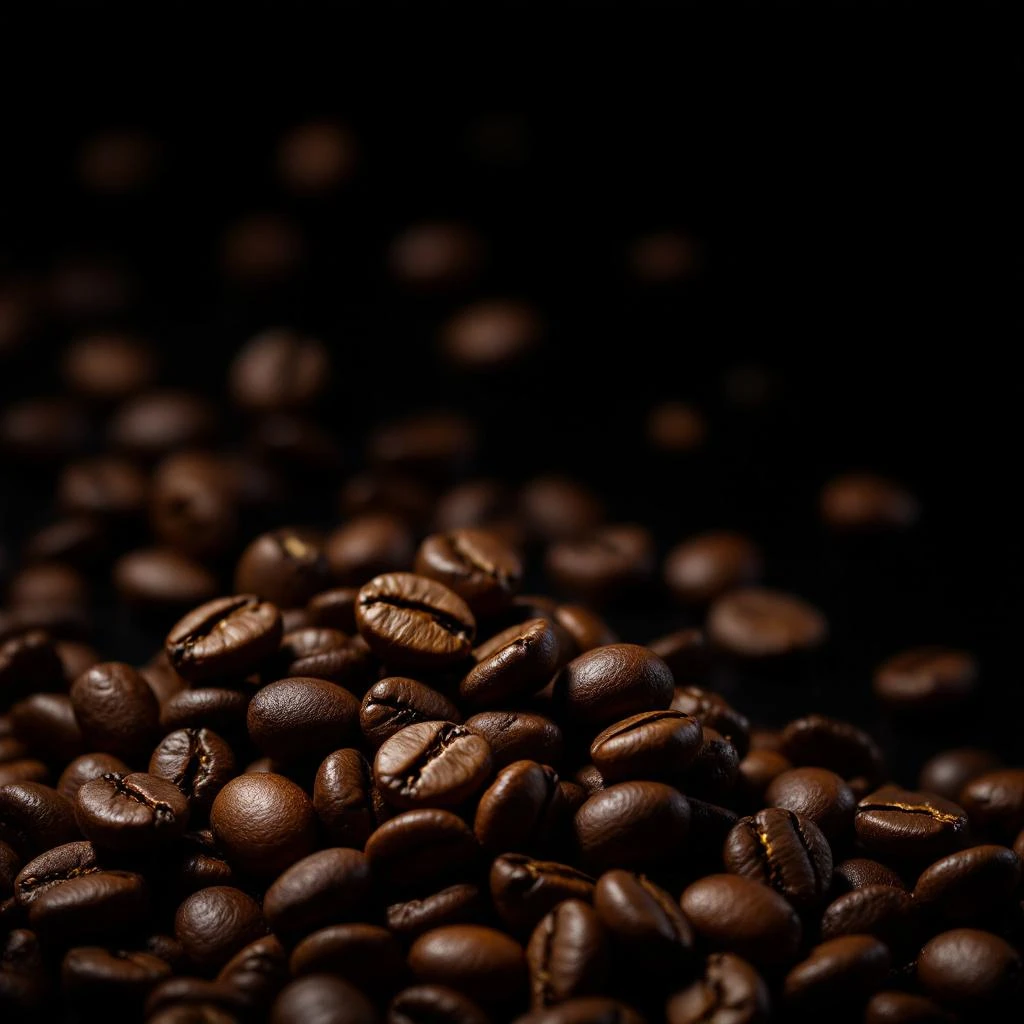
Almond Biscuit
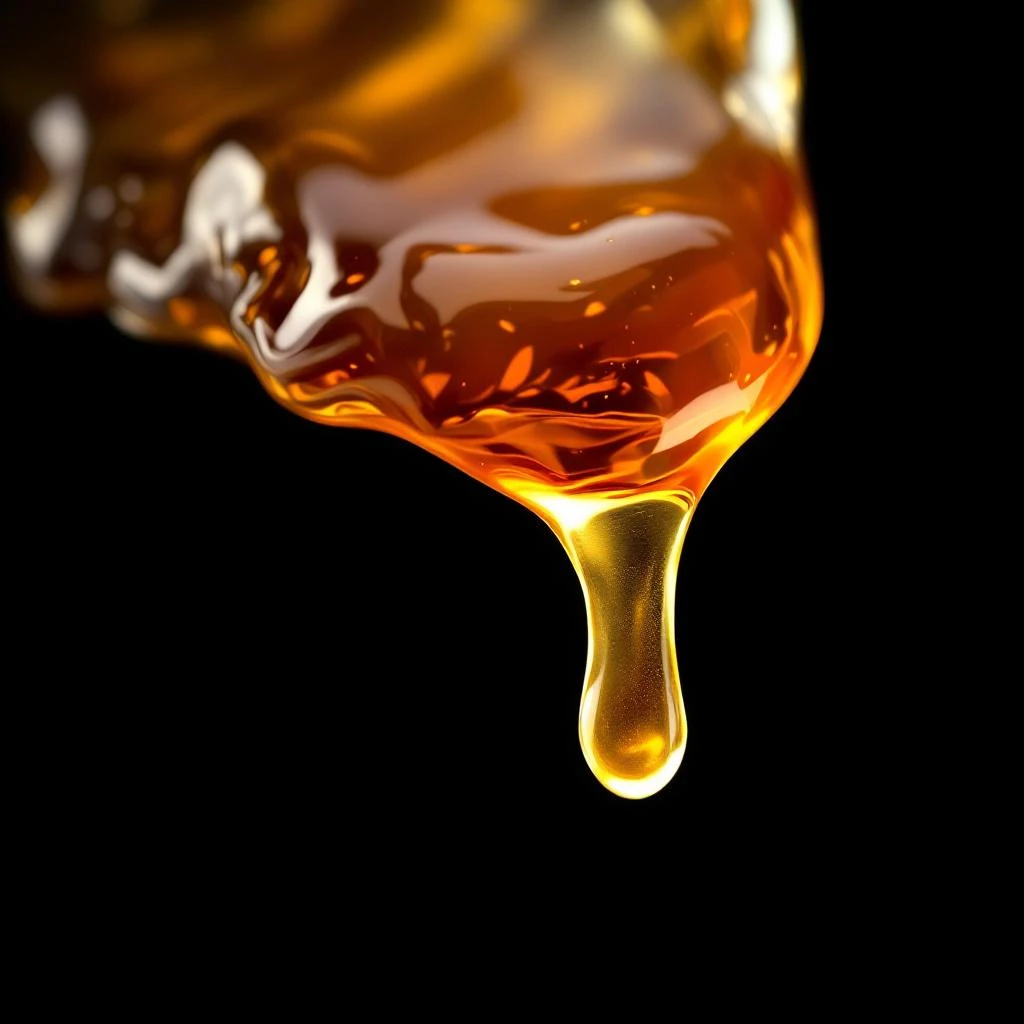
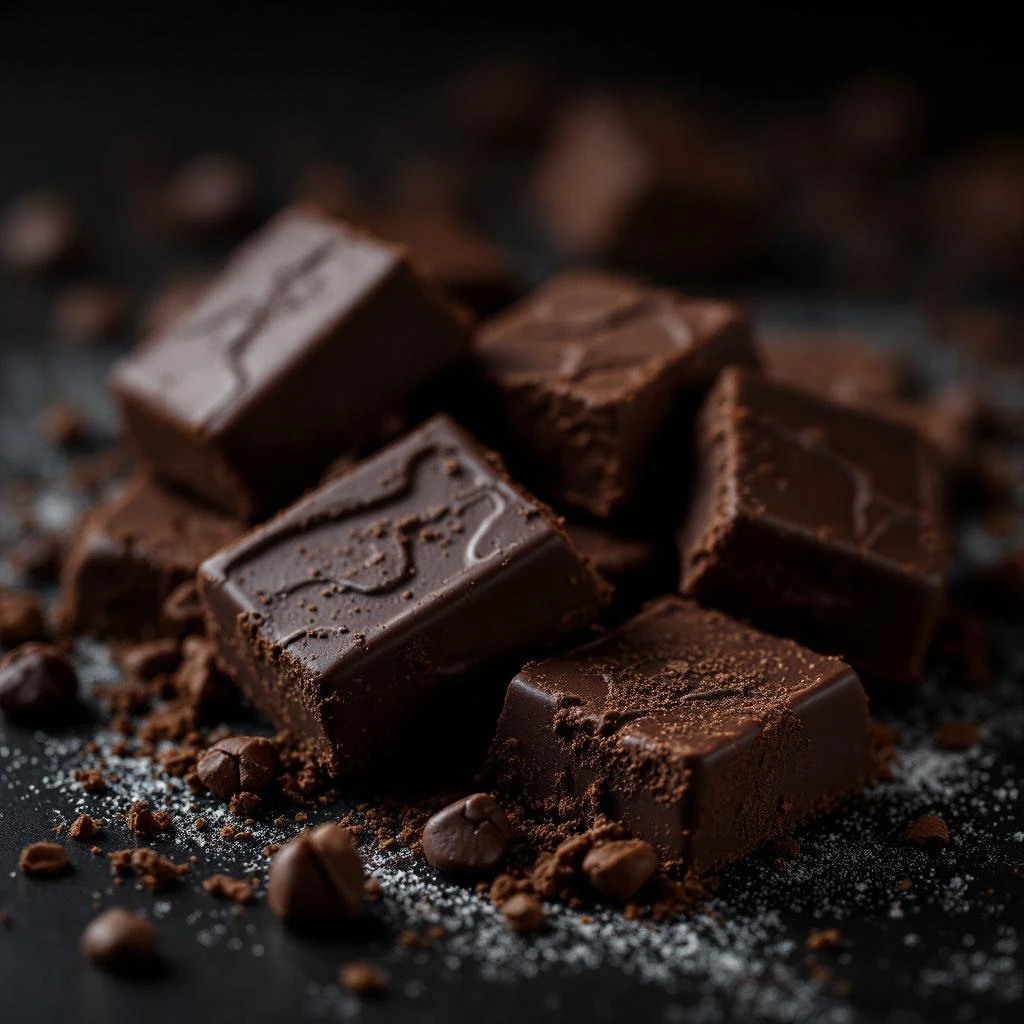
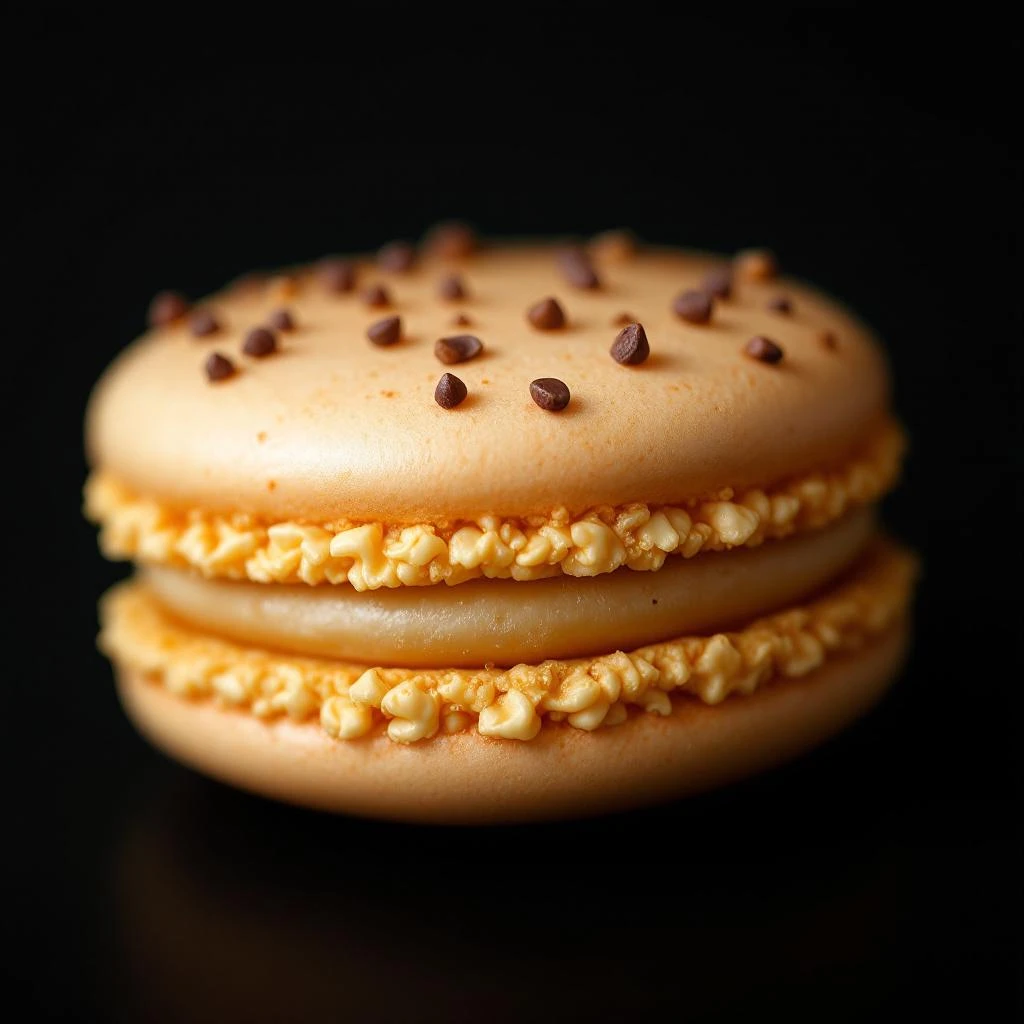
A warm, edible note that captures the sensation of fresh-baked goods cooling on a kitchen counter. Sweet marzipan, toasted nuttiness, and the buttery richness of biscuit accord create a comforting, nostalgic effect.

Character
How it smells
The warm comfort of fresh-baked nuttiness
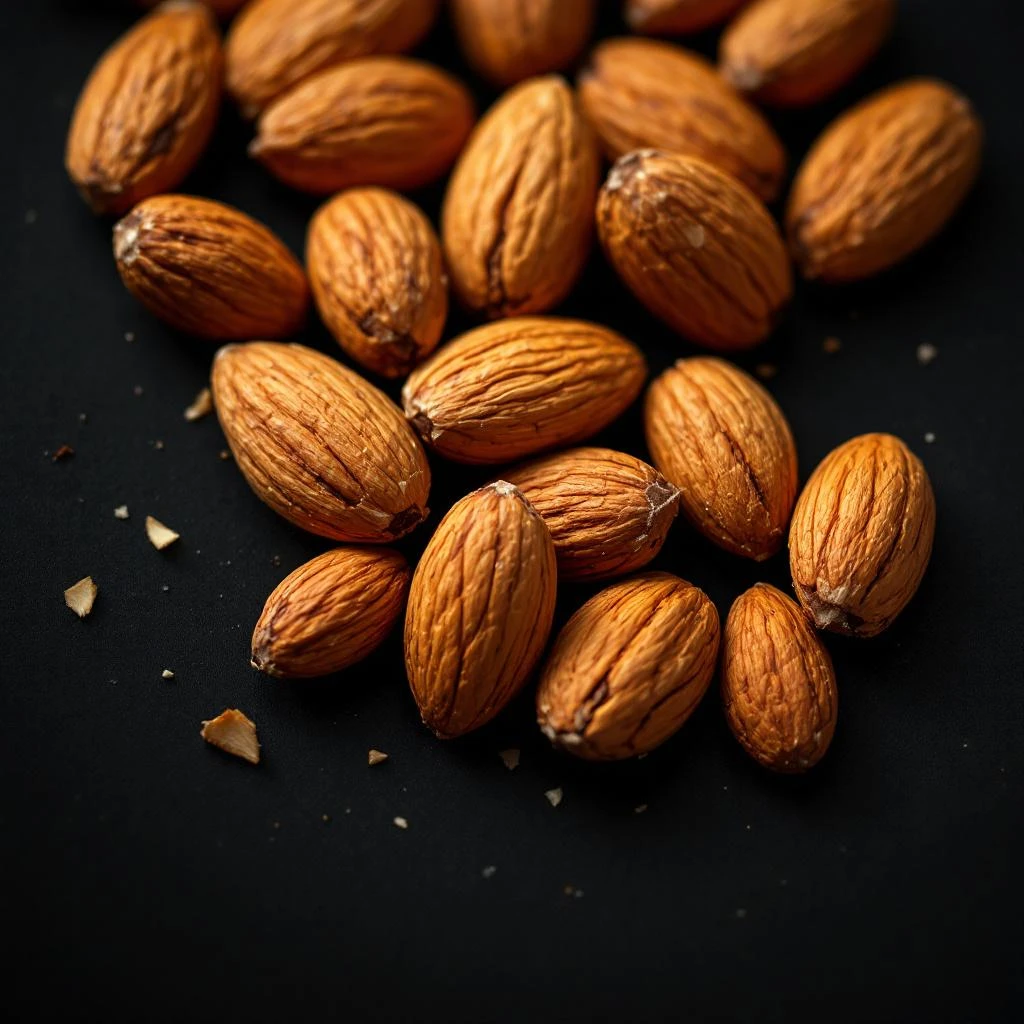
Most natural almond fragrance in perfumery comes from apricot kernels rather than actual almonds, extracted through hydrodistillation of the pit interior.





Origin
Iran
Almond accompanied perfumery since ancient civilizations bloomed across the Middle East. Native to this region, almonds served as both food and fragrance material for centuries before modern chemistry emerged. Eastern cultures prized almond oil for ritual applications and personal grooming, valuing its distinctive sweet-bitter duality.
When perfumery began formalizing in the late 19th century, natural almond materials appeared in early compositions, though scarcity pushed perfumers toward apricot kernels as an alternative source. The synthetic era changed everything. In 1870s France, chemists unlocked benzaldehyde production, allowing perfumers to deploy almond accords without depending on seasonal harvests.
This democratization opened almond notes to broader creative use, eventually cementing them as a cornerstone of gourmand perfumery. Today, almond remains both a historical link to ancient fragrance traditions and a versatile modern material.
Wears it best
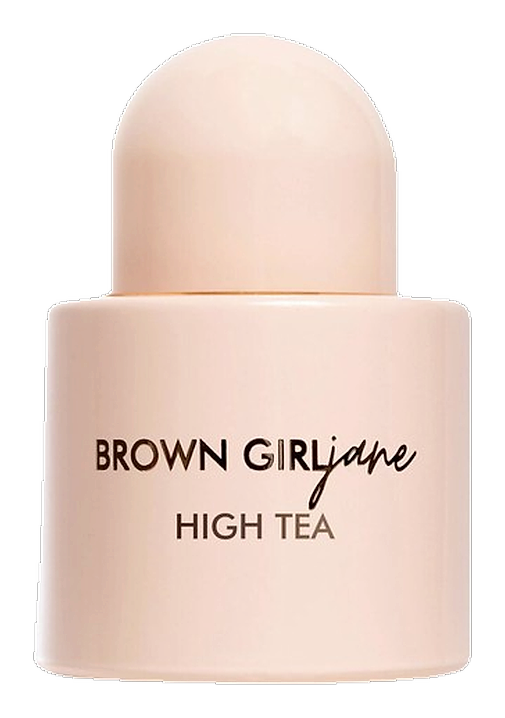
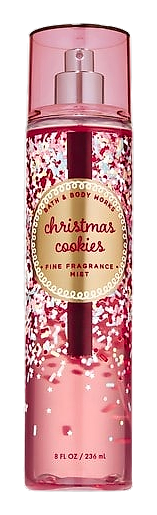
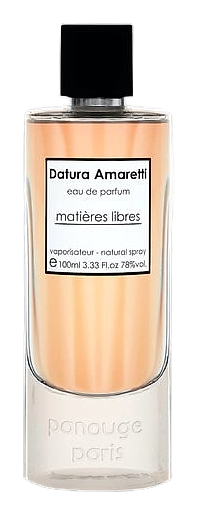
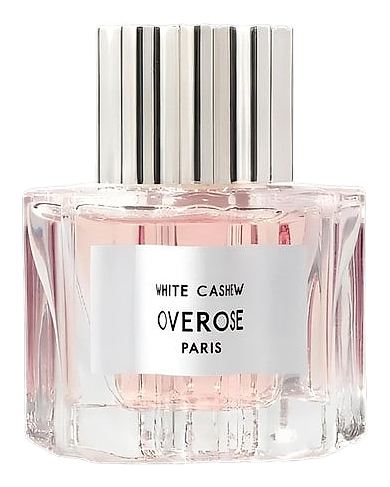
Fragrances featuring Almond Biscuit

Brands
Brands known for Almond Biscuit
Good to know
Questions, answered
The essentials on Almond Biscuit in perfumery: how it smells, where it comes from, and how it behaves on skin.
Is almond in perfume natural or synthetic?
Both. Natural almond oil comes from cold-pressed kernels, while synthetic versions replicate benzaldehyde. Many perfumers blend natural and synthetic sources to achieve specific aromatic effects.
Why do apricot kernels appear in almond fragrance?
Apricot kernels yield benzaldehyde through hydrodistillation, producing the same bitter-almond note found in actual almonds. This natural alternative expands ingredient supply for perfumers.
What does almond smell like in a fragrance composition?
Almond delivers sweet, nutty warmth with a faint bitter edge. In compositions, it adds roundness and an edible quality that makes fragrances feel comforting and approachable.
How long has almond appeared in perfumery?
Almond has perfumed creations since ancient times. The Middle East native nut served as fragrance material for millennia before synthetic chemistry emerged in the late 19th century.
Does almond note fade quickly in perfume?
Almond typically functions as a top-to-heart note, lasting 30 minutes to several hours depending on the concentration and accompanying ingredients that anchor the composition.
What fragrance families pair well with almond?
Almond integrates smoothly into oriental, gourmand, and floral compositions. It harmonizes with vanilla, tonka, heliotrope, and warm woods, creating rich edible character.
Can almond trigger allergic reactions?
Almond materials may contain trace proteins that affect individuals with nut allergies. Regulatory frameworks require allergen labeling on fragrance products sold in many regions.
What gives almond its characteristic bitter note?
Benzaldehyde creates the distinctive bitter-almond aroma. This compound occurs naturally in both almonds and apricot kernels, and perfumers manipulate its concentration to balance sweet and bitter qualities.