Almaciga
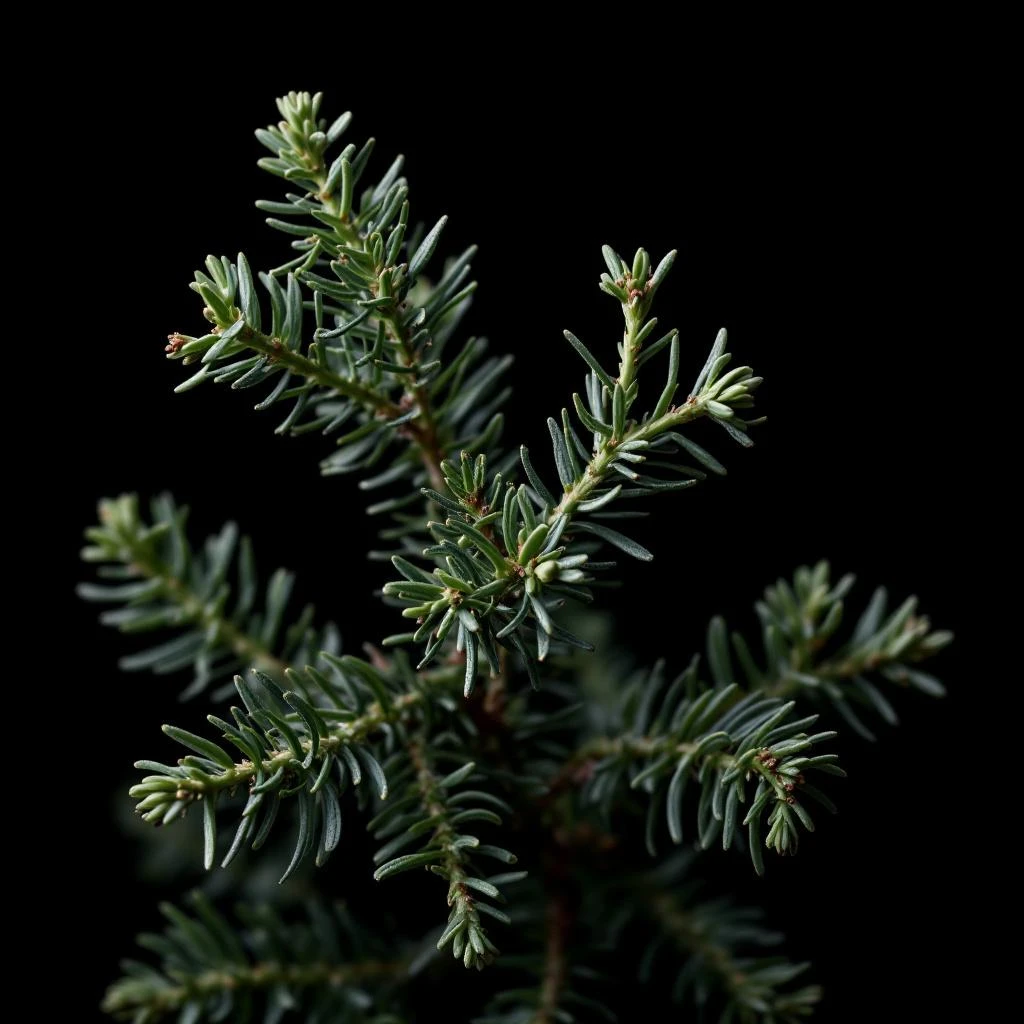
Almaciga is a golden resin tapped from the Philippine elemi tree (Canarium luzonicum), exuding a bright, lemony-fresh aroma with peppery, balsamic undertones that anchor countless oriental and fougère compositions.

Character
How it smells
Sun-warmed citrus resin from the Philippines.
Almaciga trees can yield resin for over 100 years, with a single mature tree producing fresh elemi tears every few weeks throughout the year.




Origin
Philippines
Almaciga resin entered European perfumery in the sixteenth century through Spanish trade routes connecting Manila to Acapulco, arriving as a commodity sometimes labeled 'Manila elemi.' By the seventeenth century it had secured a foothold in apothecary stocks across Europe, valued as a cheaper, brighter alternative to frankincense in salves and ceremonial unguents.
In the Philippines, long before export, the resin carried meaning for Visayan and Tagalog communities who burned it as incense and applied it in traditional healing rituals. The nineteenth century saw almaciga become a standard fixative in French perfume houses, where perfumers prized its ability to lift heavy resins and bridge top and base notes.
Its production declined sharply during the American colonial period due to unregulated harvesting, but conservation programs established in the 1990s revived sustainable tapping practices. Today, almaciga oil remains a signature material in oriental and chypre fragrances, lending a luminous quality that synthetic alternatives have yet to fully replicate.
Wears it best
Fragrances featuring Almaciga
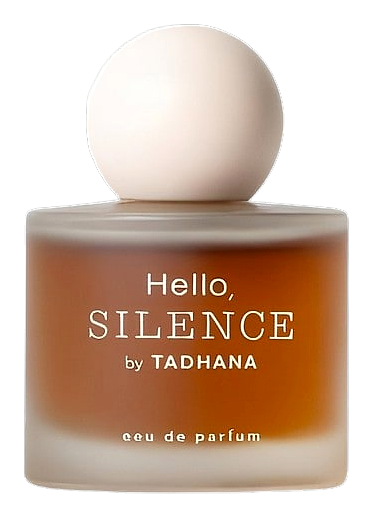
Brands
Brands known for Almaciga
Good to know
Questions, answered
The essentials on Almaciga in perfumery: how it smells, where it comes from, and how it behaves on skin.
What does almaciga smell like?
Almaciga oil opens with a bright, lemony-fresh burst, softening into peppery, balsamic warmth with subtle hints of pine and incense. Its clean, radiant quality makes it a bridge between sharp citrus top notes and deep resinous bases.
Is almaciga the same as frankincense?
No, though they share resinous, incense-like qualities. Almaciga comes from Canarium luzonicum, a tree native to the Philippines, while frankincense derives from Boswellia species in the Arabian Peninsula and Horn of Africa.
Where does almaciga resin come from?
Almaciga resin is sourced primarily from the southern Philippines, especially the Visayas region and northern Mindanao, where mature Canarium luzonicum trees are tapped by local harvesters using traditional scoring techniques.
How is almaciga essential oil extracted?
Producers collect the pale yellow oleoresin that oozes from scored bark, then subject the hardened tears to steam distillation. The process yields a pale, mobile oil prized for its fresh, peppery character.
Is almaciga sustainable?
Sustainable almaciga harvesting relies on controlled tapping that allows trees to recover between cuts. Conservation efforts launched in the 1990s revived traditional practices after decades of overexploitation threatened wild populations.
What perfumes use almaciga?
Almaciga appears frequently in oriental, chypre, and fougère compositions as a bright fixative. It is a key component in classic French perfumery where it lifts heavy resins like myrrh and frankincense.
Can almaciga be used as incense?
Yes, almaciga has a long history as incense across the Philippines and later in European churches. Its clean, lemony smoke burns smoothly and carries a lighter, fresher profile than traditional frankincense.
What is the shelf life of almaciga oil?
Properly stored almaciga essential oil, kept in dark glass away from heat and light, typically remains aromatic for two to three years before its citrusy top notes begin to fade noticeably.