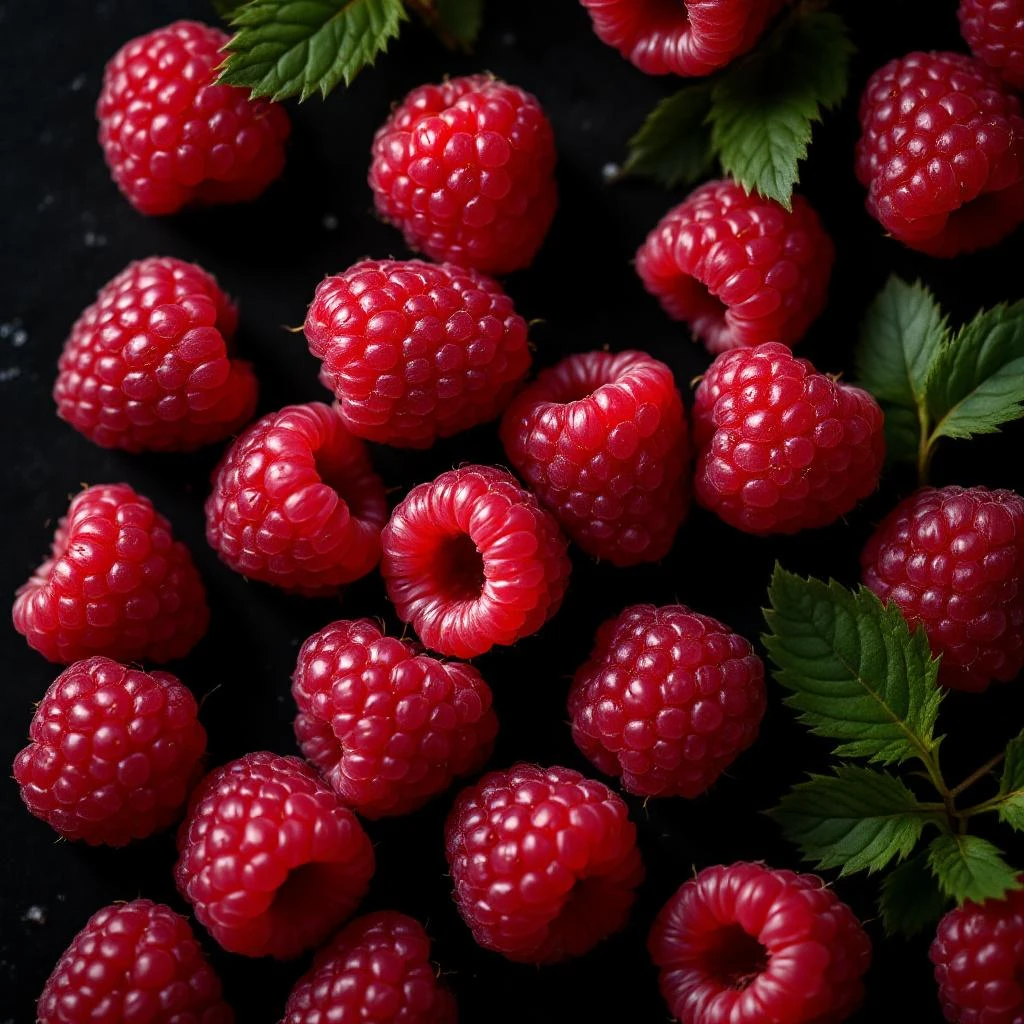
Algerian Fig
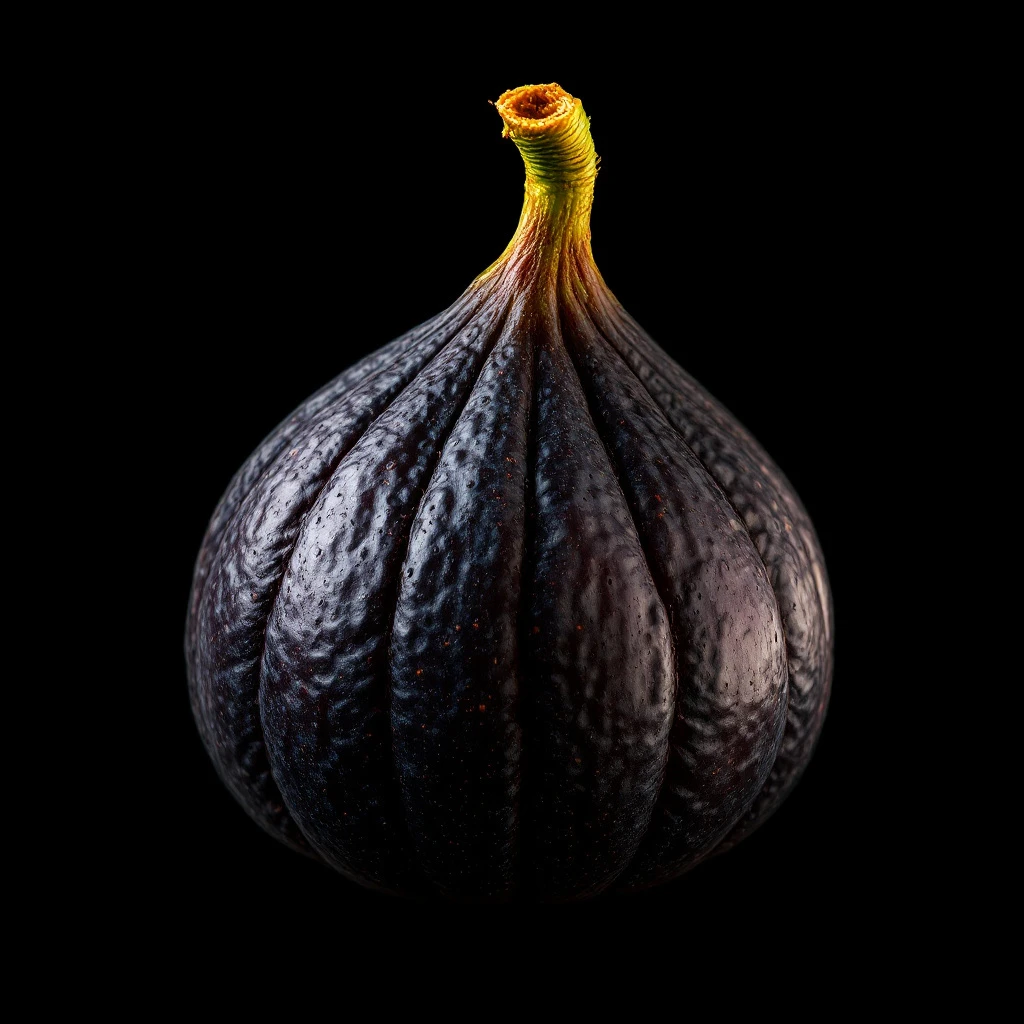
Algerian Fig brings together the green snap of fig leaf, creamy milky sap, and the warm sweetness of ripe fruit in one expressive note.
Character
How it smells
Green leaves, creamy sap, sun-warmed fruit.
Fig leaf absolute is prized for a honeyed, herbaceous character that differs markedly from the soft, pulpy aroma of the fruit.
Origin
Algeria
The fig tree has a long history of aromatic use. It originated in Western Asia and was cultivated there for thousands of years before its spread into Egypt, Greece, and Italy.
Ancient evidence also connects the fig tree with religious practices in Egypt, where its symbolic and aromatic presence preceded modern perfumery. Fig fruit eventually became a familiar fragrance ingredient, but the modern fig note expanded beyond the fruit itself to include leaves, sap, bark, and twigs.
In 1994, French perfumer Olivia Giacobetti is widely credited with helping establish a more complete fig-tree interpretation in modern perfumery, combining green, milky, woody, and fruity facets. Today, fig appears in compositions ranging from fresh green fougères to warm, sensual woods, often using both natural extracts and carefully selected aroma chemicals.
Wears it best
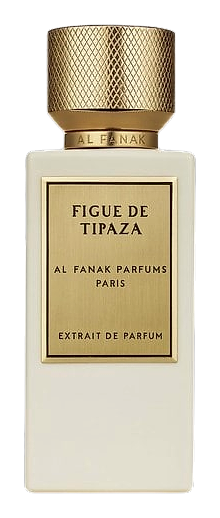
Fragrances featuring Algerian Fig
Brands
Brands known for Algerian Fig
Good to know
Questions, answered
The essentials on Algerian Fig in perfumery: how it smells, where it comes from, and how it behaves on skin.
What does Algerian Fig smell like?
Algerian Fig is typically described as green and leafy with creamy, milky sap and warm, sweet fruit. The balance can vary by composition, with some versions emphasizing fig leaves and others highlighting ripe pulp.
Is Algerian Fig a natural ingredient?
It may be presented as a natural-inspired or naturally sourced fig material, but the name does not by itself identify a single botanical extract. Fig leaf, fruit, twigs, and synthetic aroma chemicals can all contribute to the final note.
What part of the fig tree gives the strongest green scent?
Fig leaves are generally the most important source of the green, herbaceous aroma. They carry a fresh, slightly woody character that contrasts with the soft sweetness of the fruit.
Why does fig perfume smell milky?
The milky impression comes from fig sap and from aroma chemicals that reproduce creamy, lacteous textures. These materials often blend with green leaves and sweet fruit to suggest the whole tree rather than only the pulp.
How is fig leaf absolute made?
Historically, fig leaf absolute was produced by sequential extraction with petroleum ether and ethanol. The resulting material is dark green and has honeyed, aromatic notes, though modern sourcing and processing may differ.
Where do figs originate?
The fig is generally traced to Western Asia, where it has been cultivated for more than 5,000 years. It later spread through Egypt, Greece, and Italy before reaching other regions, including North Africa.
When did modern fig perfumery become prominent?
The modern fig note gained particular prominence in 1994 through a composition associated with perfumer Olivia Giacobetti. Its importance came from presenting multiple parts of the fig tree, including leaves, fruit, sap, and bark.
Is Algerian Fig the same as fig fruit extract?
No. Algerian Fig may refer to a specific fig material or a broader fragrance note, so it is not necessarily limited to fruit extract. A composition may combine leaf, twig, sap, and fruit effects with aroma chemicals.