Aldron
Aldron is a synthetic woody-amber material that delivers dry cedar character with soft musky warmth. Perfumers value it for its stability and versatility across fragrance types, from fine fragrance to functional perfumery applications.
Character
How it smells
Dry cedar meets soft amber in perfect balance
Aldron's molecular structure was specifically designed to evoke the aromatic character of vintage American cedar closets, a scent no longer permitted in modern cedarwood oil production due to safety regulations.


Origin
Switzerland
Aldron represents a modern chapter in perfumery's ongoing dialogue between nature and science. While ancient civilizations relied entirely on botanical and animal-derived materials, the 19th century opened new creative territory through organic chemistry.
Perfumers gained access to nature-identical molecules and entirely new aromatic structures that expanded the perfumer's vocabulary beyond what botanicals could offer. Givaudan's fragrance chemists developed Aldron to address a specific gap: the perfumery industry needed a stable, compliant woody material after traditional cedarwood derivatives fell under regulatory scrutiny in the early 2000s.
Rather than merely replacing an old ingredient, Aldron carved its own territory, offering a drier, cleaner cedar character unavailable in natural materials. Today it appears in countless fine fragrances, often providing the structural backbone for woody fragrance families.
Wears it best
Fragrances featuring Aldron
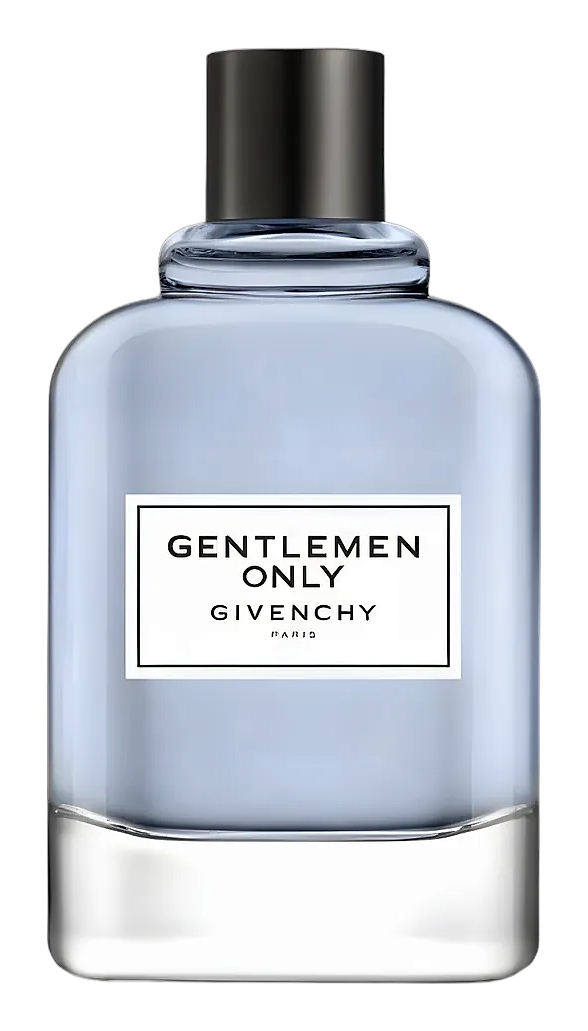
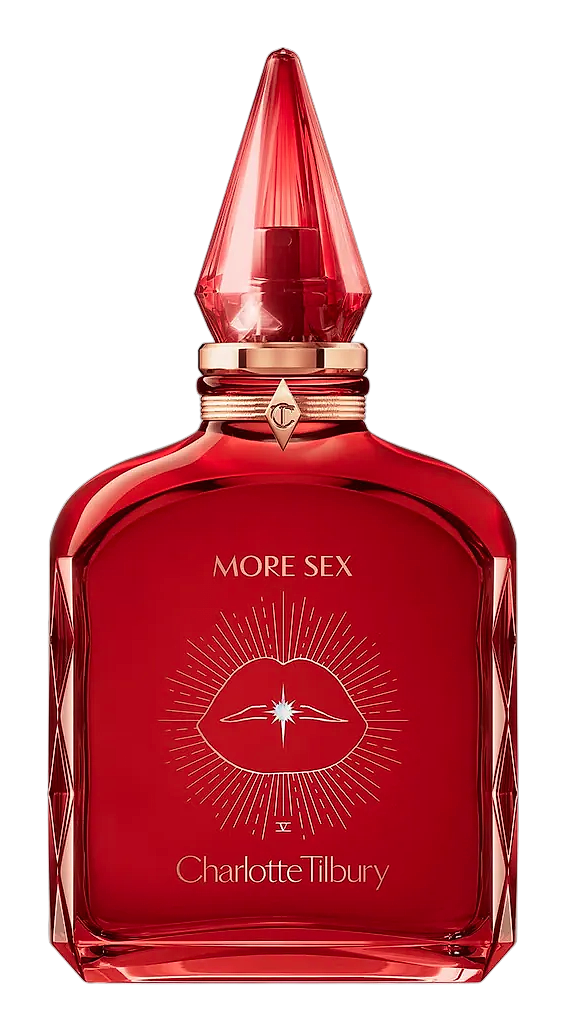

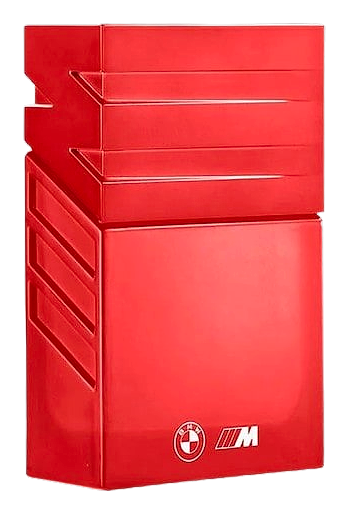
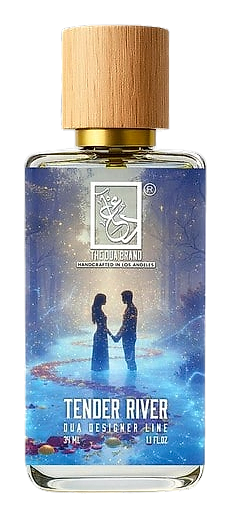
Brands
Brands known for Aldron
Good to know
Questions, answered
The essentials on Aldron in perfumery: how it smells, where it comes from, and how it behaves on skin.
What does Aldron smell like?
Aldron delivers dry cedar character softened by musky amber warmth. It reads as clean, modern wood without the harsh or turpentine notes sometimes found in natural cedar materials.
Is Aldron natural or synthetic?
Aldron is entirely synthetic, produced through controlled organic synthesis. This classification means consistent availability regardless of harvest cycles or crop conditions.
Which fragrance families commonly use Aldron?
Woody and aromatic families lead with Aldron, though amber, chypre, and certain fougere structures benefit from its stable, compliant character. It often anchors the drydown phase.
Does Aldron perform well in skin care products?
Aldron shows excellent stability across pH ranges and temperature conditions typical of body care formulations. Its skin safe profile received regulatory approval for leave-on cosmetic use.
Can Aldron replace natural cedarwood oil in formulas?
It offers a different aromatic profile: drier and cleaner than natural cedarwood. Some perfumers use Aldron alongside natural materials to achieve both compliance and traditional character.
What is the substantivity of Aldron in fragrance?
Aldron provides long-lasting effect on skin and fabric, typically performing through the heart and drydown stages of a fragrance structure due to its molecular robustness.
Who developed Aldron?
Givaudan developed Aldron as part of their specialty ingredients portfolio. It emerged from research into compliant alternatives to traditional aromatic materials.
Is Aldron considered safe for use in cosmetics?
Regulatory authorities have approved Aldron for cosmetic applications when used within specified concentration limits. Always consult current IFRA guidelines for specific usage restrictions.