Acorn
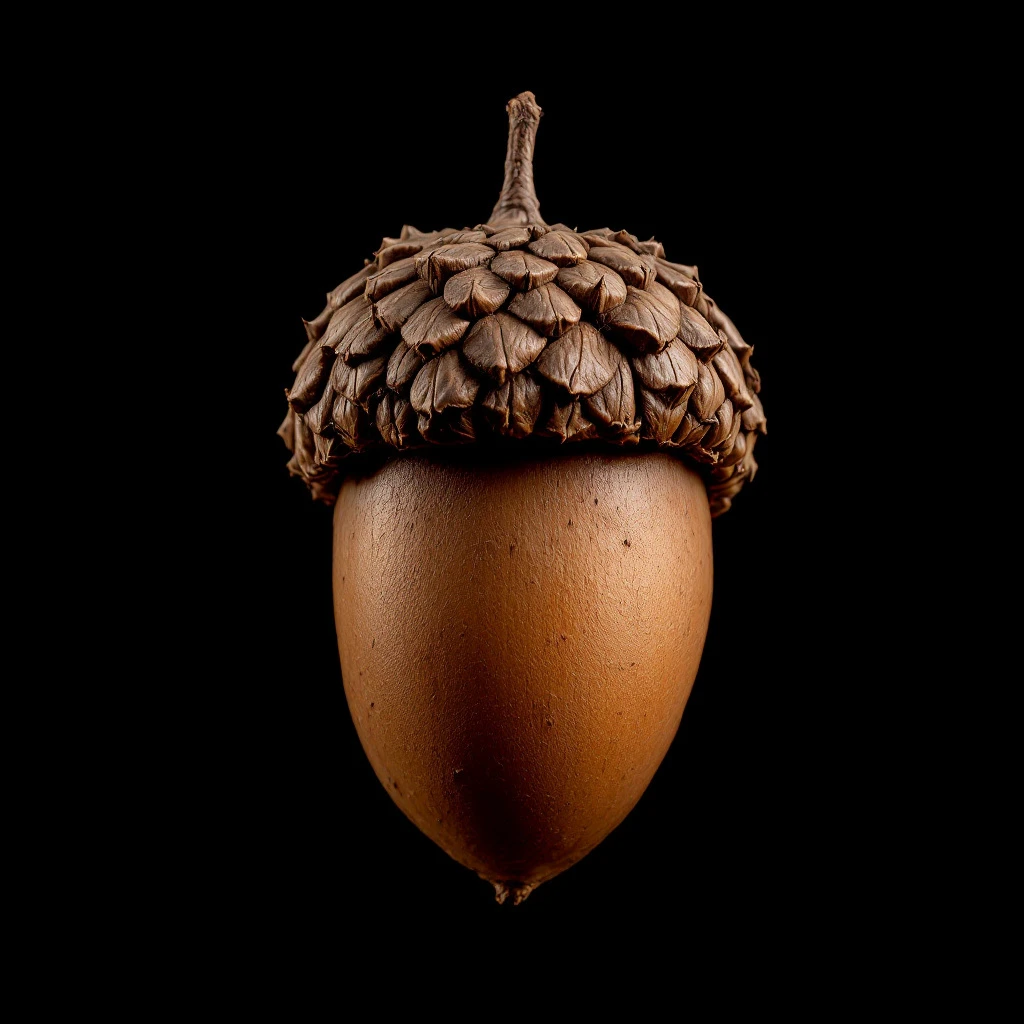
Acorn brings unexpected warmth to fragrances—the quiet richness of autumn forests distilled into a nutty, slightly sweet note that grounds orientals and deepens woodsy compositions.
Character
How it smells
The quiet richness of autumn forests.
Oak trees can live for centuries, and their acorns have been foraged as food since prehistoric times, long before anyone thought to capture their scent.




Origin
France
Oak trees have shaped human civilization for millennia, and acorns served as a dietary staple for ancient peoples across Europe, Asia, and North America. Greek and Roman physicians documented the use of acorns in traditional remedies, particularly for digestive ailments. Indigenous cultures throughout North America relied heavily on acorns as a food source, developing sophisticated processing techniques to remove bitter tannins.
In perfumery, acorn as a dedicated fragrance ingredient is a relatively recent development. While perfumers have worked with oak bark, oakmoss, and oak wood for centuries, the acorn itself only entered the fragrance palette as extraction techniques became more refined and perfumers sought novel natural materials. The rising interest in botanical and unconventional ingredients during the late 20th century encouraged exploration of materials like acorn that had been overlooked in classical perfumery.
Today, acorn represents a move toward hyper-local and forest-inspired ingredients, appealing to consumers drawn to the idea of wearable woodlands and autumnal nostalgia.
Wears it best
Fragrances featuring Acorn
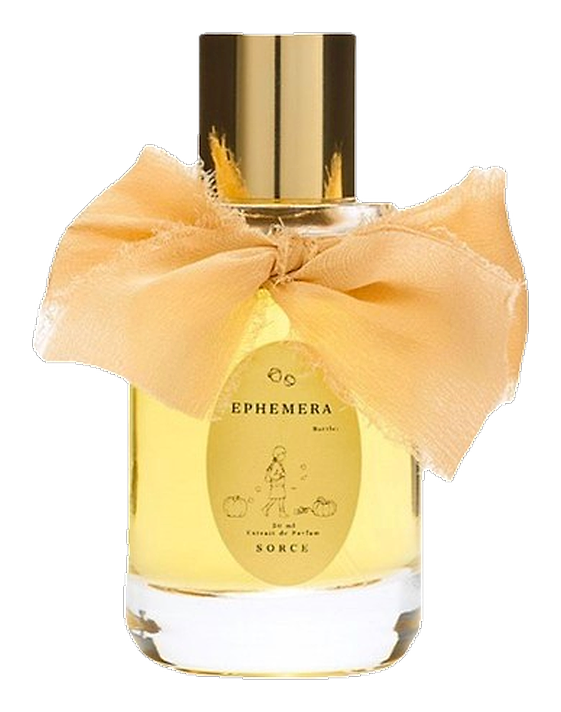

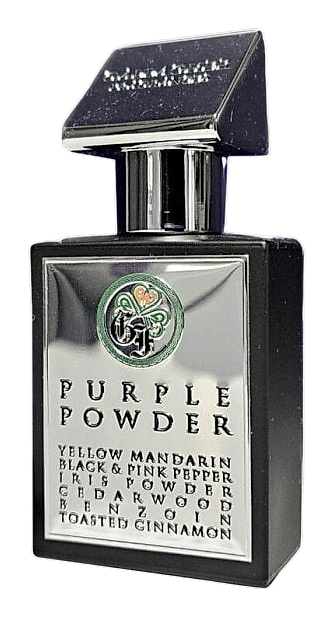
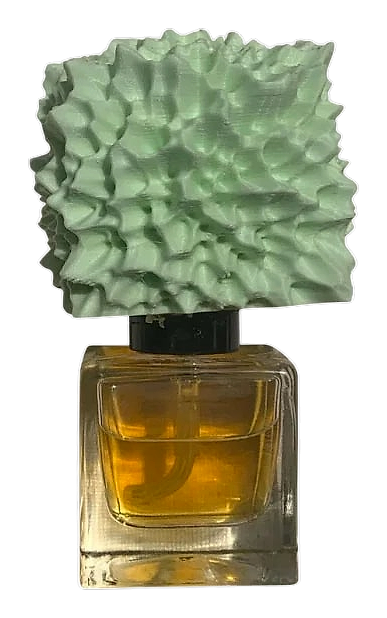
Brands
Brands known for Acorn
Good to know
Questions, answered
The essentials on Acorn in perfumery: how it smells, where it comes from, and how it behaves on skin.
What does acorn smell like in perfume?
Acorn delivers a warm, nutty aroma reminiscent of roasted chestnuts and hazelnuts, with subtle woody and slightly sweet undertones. The scent evokes autumn forests and the smell of freshly baked bread. In perfumery, it functions as a base note that adds depth, natural warmth, and an unexpected forest-floor quality to woody and oriental compositions.
What type of fragrance note is acorn?
Acorn is classified as a base note in fragrance construction. It provides foundational depth and richness to a composition. The note pairs exceptionally well with other woody materials, vanilla, amber, and oriental ingredients, lending a natural, grounded quality that anchors lighter top and heart notes.
Is acorn a natural or synthetic ingredient?
Acorn exists in both natural and synthetic forms, though synthetic versions dominate modern perfumery. Natural acorn absolute can be extracted from the nut of oak trees through solvent extraction. However, most perfumers use synthetic reproductions that capture the warm, nutty aroma profile at scale and with greater consistency than natural materials allow.
Which fragrances feature acorn as a note?
Acorn appears primarily in niche and artisanal fragrances that celebrate unconventional ingredients. While major houses rarely prominently feature acorn, several independent perfumers have used it to create autumnal, forest-inspired scents. Look for it in unisex fragrances with woody or oriental orientations, often combined with notes like oakmoss, cedar, or vanilla.
What ingredients does acorn pair well with?
Acorn complements woody notes including cedarwood, sandalwood, and guaiac wood, as well as warm resins like benzoin and vanilla. It also pairs beautifully with spices such as cinnamon and clove, creating rich oriental compositions. The nuttiness of acorn enhances the creaminess of coconut and tonka bean while adding depth to amber accords.
How long has acorn been used in perfumery?
Acorn as a dedicated fragrance ingredient is relatively new. While oak bark and acorns have appeared in traditional medicine for centuries, the specific use of acorn as a perfumery material emerged in the late 20th century as perfumers began exploring unconventional botanical ingredients. The trend toward forest-inspired and hyper-local fragrance materials has increased its visibility in recent decades.
What effect does acorn have in a fragrance composition?
Acorn adds warmth, depth, and a sense of natural richness to fragrances. It acts as an anchor that grounds compositions and extends their perceived longevity on the skin. The note brings subtle nutty and toasted nuances that round out oriental and woody fragrances, creating a cozy, autumnal atmosphere that many consumers find comforting.
Is acorn used in luxury or high-end perfumes?
Yes, acorn absolute and synthetic acorn accords appear in premium and niche perfumery. High-end fragrance houses that emphasize natural ingredients and unconventional materials sometimes feature acorn in their compositions. These perfumes typically carry higher price points due to the cost of quality natural materials and the craftsmanship required to balance such a distinctive note.