2-acetylfuran
2-Acetylfuran brings warm, toasted depth to fragrances. This aromatic compound occurs naturally in tamarind and roasted foods, lending savory, nutty warmth that bridges the gap between food and fine perfume.
Character
How it smells
Warm, toasted depth from tamarind to perfume.
2-Acetylfuran ranks as the most abundant aroma molecule in tamarind, creating that distinctive fermented-fruity tang found in Asian cuisines worldwide.

Origin
India
The identification of 2-acetylfuran as a key tamarind component traces back to mid-20th century flavor chemistry research. As analytical techniques advanced, chemists isolated and catalogued the specific molecules responsible for food aromas. The 19th century advent of organic synthesis proved transformative for perfumery, enabling chemists to isolate, study, and recreate individual aroma molecules rather than relying solely on natural extracts.
2-Acetylfuran represents this shift from whole-plant materials to targeted aromatic compounds. While ancient perfumers worked with whole resins and botanicals, modern chemistry revealed the precise molecules making up those scents, opening new creative possibilities for perfumers worldwide.
Wears it best
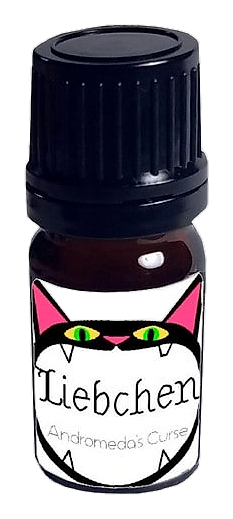
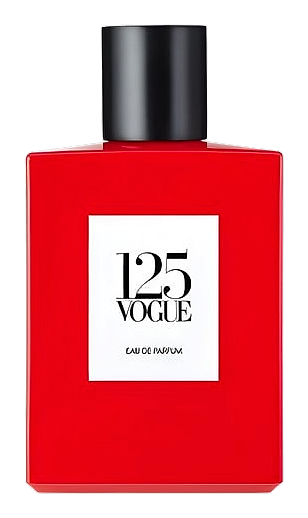
Fragrances featuring 2-acetylfuran
Brands
Brands known for 2-acetylfuran
Good to know
Questions, answered
The essentials on 2-acetylfuran in perfumery: how it smells, where it comes from, and how it behaves on skin.
What does 2-acetylfuran smell like?
2-Acetylfuran presents a warm, toasted aroma with nutty and caramel-like qualities. It adds savory depth reminiscent of roasted foods and fermented tamarind, creating rich, comforting warmth in fragrance compositions.
Is 2-acetylfuran found naturally in any ingredients?
Yes. Tamarind contains 2-acetylfuran as its most abundant flavor compound, alongside alpha-terpineol, citral, and trace pyrazines. It also appears in various roasted and fermented foods.
How do perfumers use 2-acetylfuran in compositions?
Perfumers employ 2-acetylfuran primarily in gourmand, oriental, and woody fragrance profiles. It works exceptionally well in combinations featuring brown, nutty, fermented, and savory notes, adding organic depth and food-like warmth.
Is 2-acetylfuran safe for use in consumer products?
Regulatory bodies including IFRA and FEMA have evaluated 2-acetylfuran and consider it safe for use in food and fragrance applications at established concentration limits.
What is the chemical structure of 2-acetylfuran?
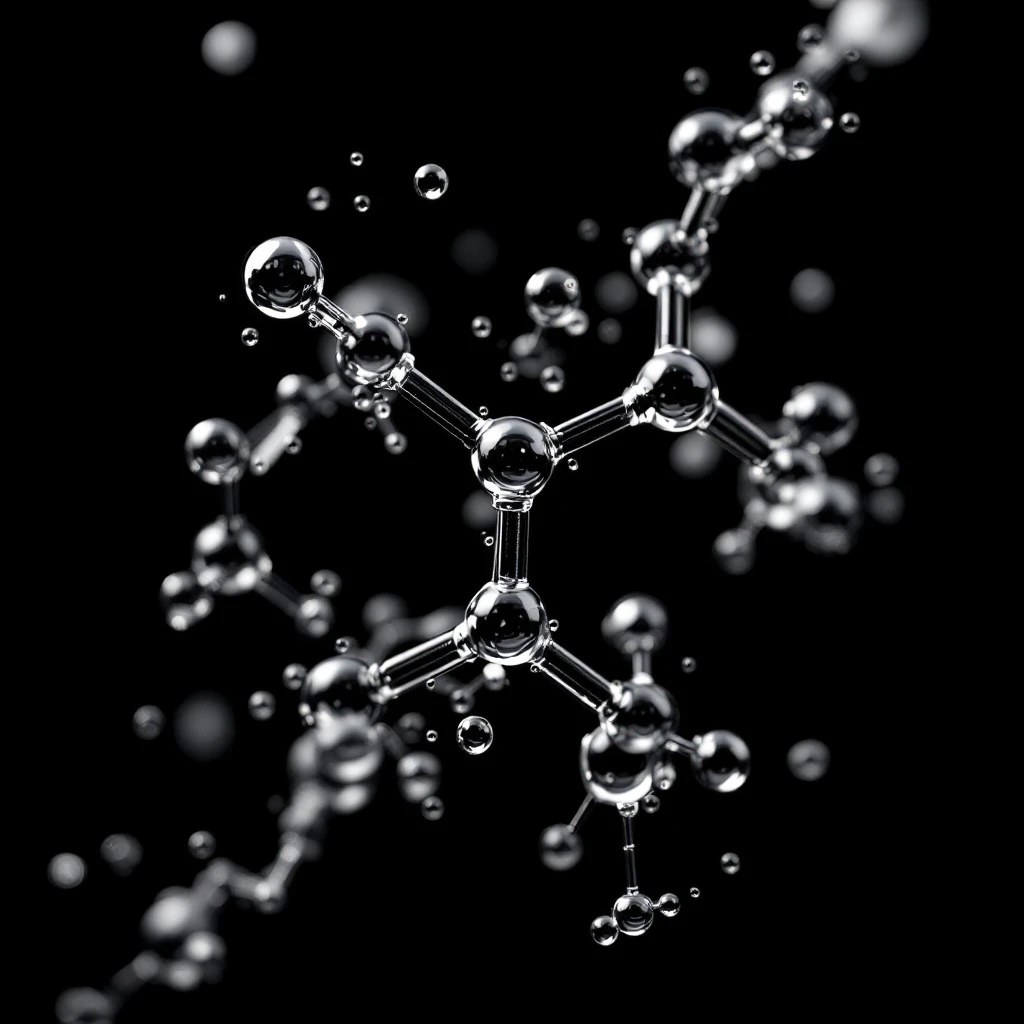
2-Acetylfuran, also called 2-furyl methyl ketone, consists of a furan ring attached to an acetyl group. Its molecular structure features a five-membered oxygen-containing aromatic ring with a ketone substituent at position 2.
Can 2-acetylfuran be extracted from tamarind?
While tamarind contains significant levels of 2-acetylfuran, commercial fragrance production relies on synthetic methods for consistency and purity. Natural extraction remains technically possible but economically impractical at scale.
What fragrance families benefit most from 2-acetylfuran?
Gourmand fragrances gain the most from 2-acetylfuran, particularly those featuring caramel, toffee, or nutty accords. Oriental fragrances and woody compositions also incorporate it for added warmth and savory complexity.
Does 2-acetylfuran perform well in cold process or hot process applications?
2-Acetylfuran maintains its aroma profile across typical fragrance applications. Its stability makes it suitable for various perfumery formats, though perfumers adjust concentrations based on the specific product format and desired effect.