
The Story
Why it exists.
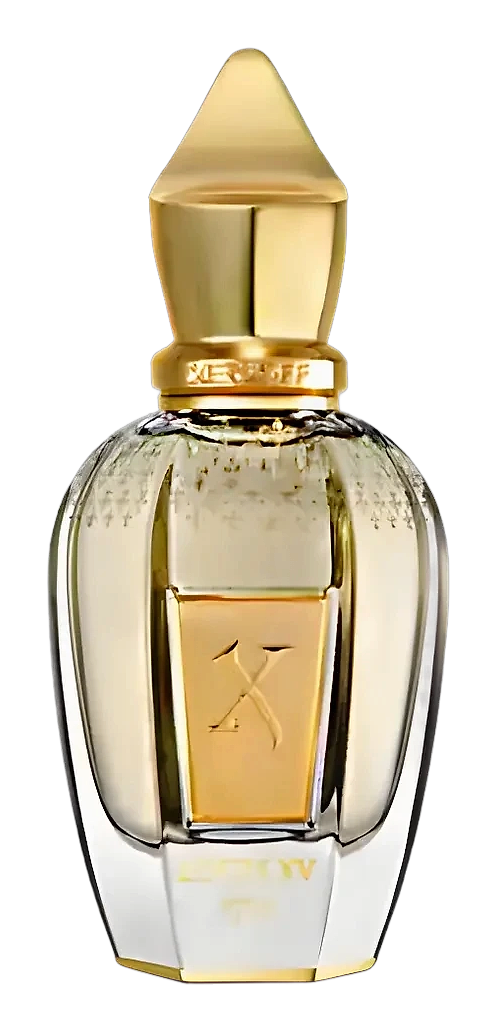
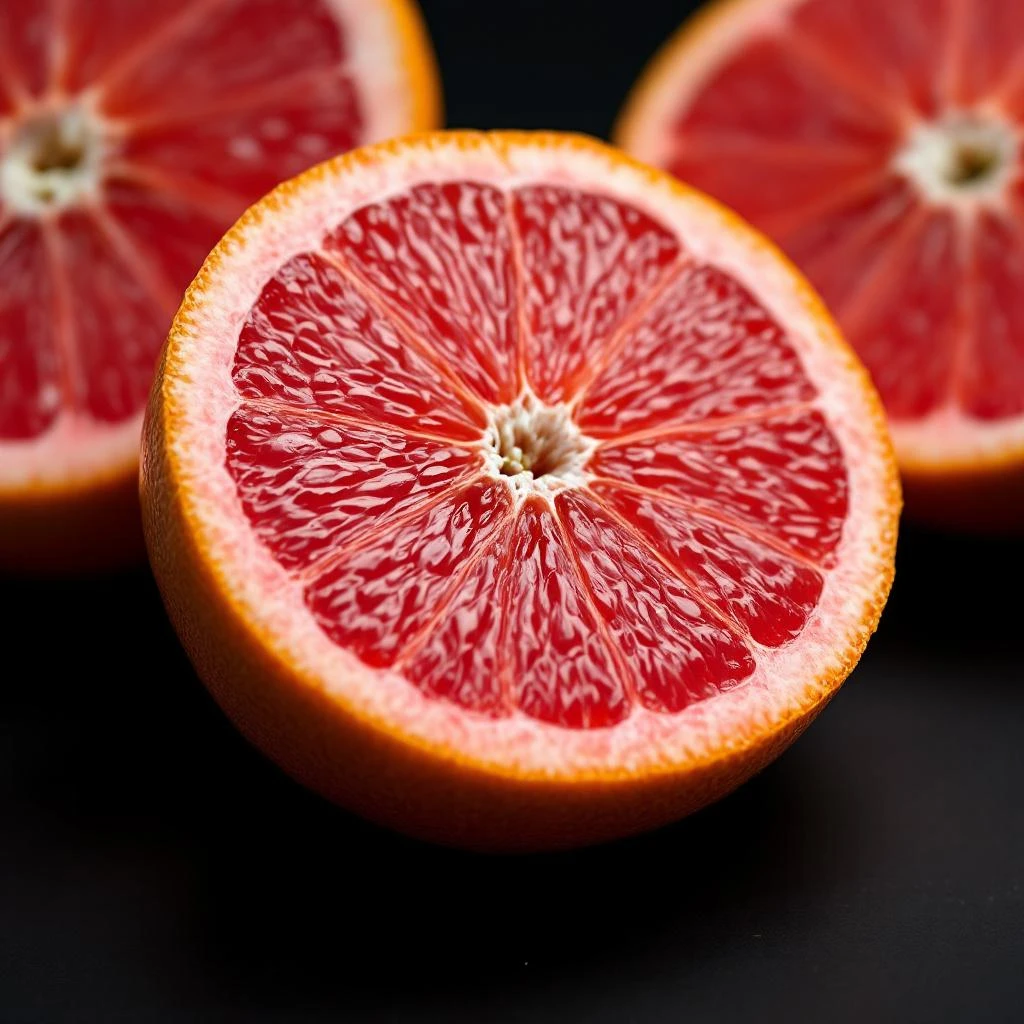
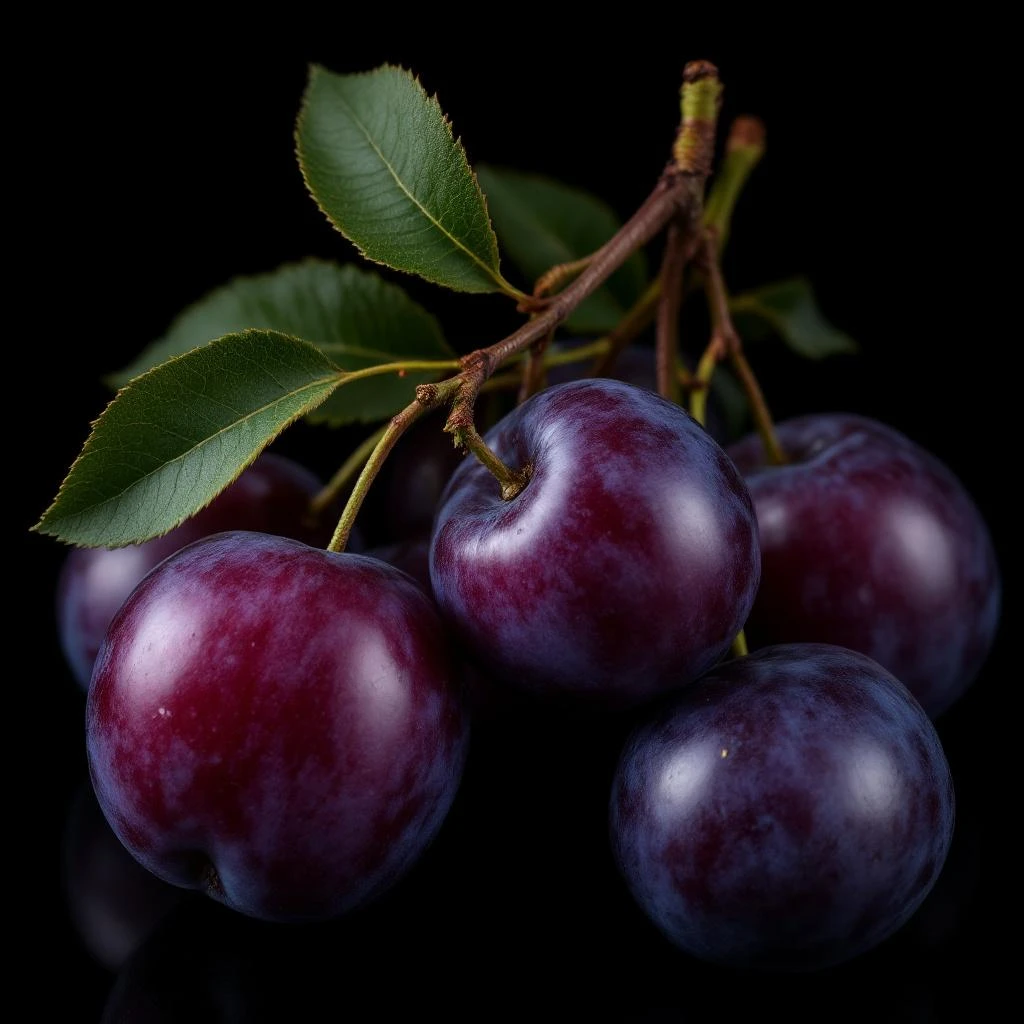
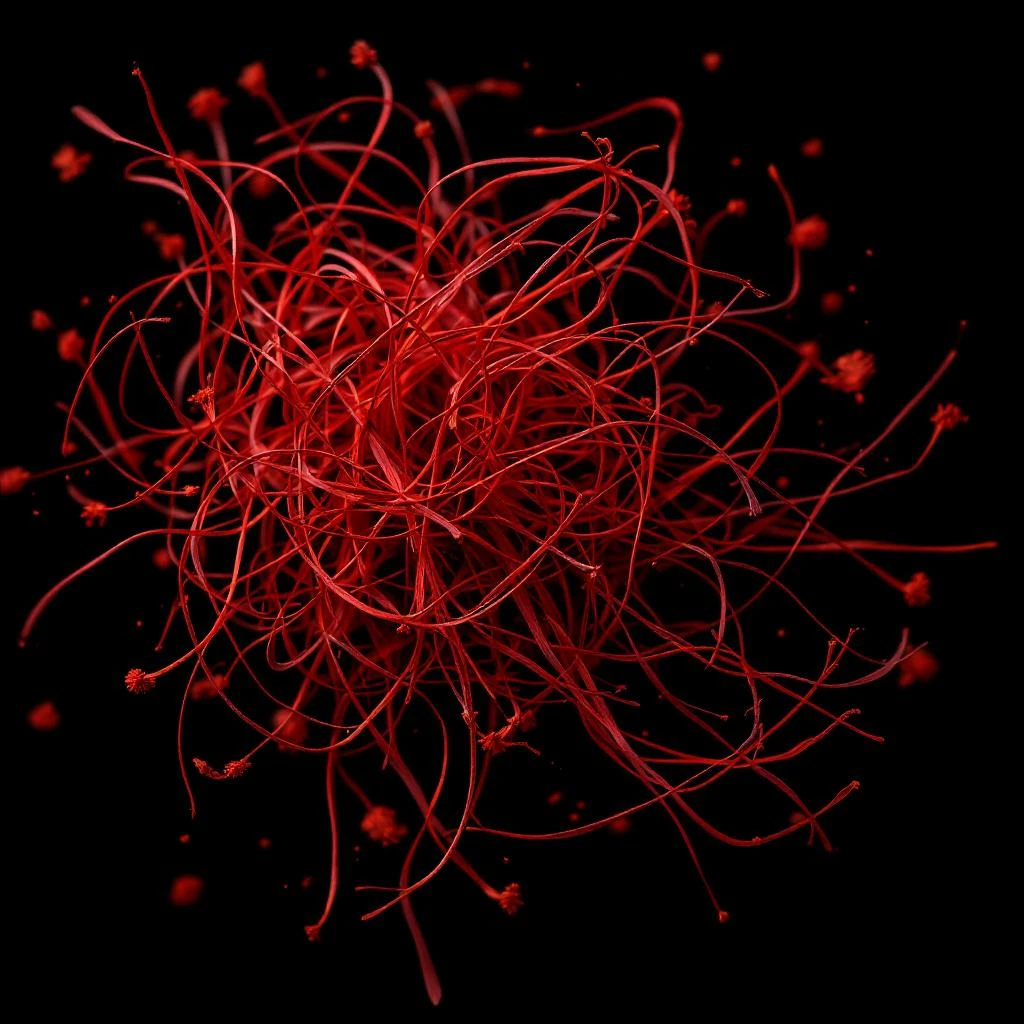
Xerjoff's 2024 collaboration with Maison De Venoge, the French Champagne house, takes its number from a royal decree. The year 1722 marks a significant moment in the history of French royalty and the evolution of celebration culture. Xerjoff didn't just reference the spirit, they captured the sensation of it. The opening delivers an effervescent quality that feels alive and vibrant, a bright citrus spark that announces arrival with confidence. Grapefruit and plum set the tone, with saffron threading warmth through the opening without overpowering it. The collaboration extended beyond fragrance: three distinct Champagne cuvées were crafted alongside it, offering complementary experiences for those seeking the full story of the partnership.
If this were a song
Community picks
Clair de Lune, Pt. 1
Debussy,orchestrated by André Caplet
The Beginning
Xerjoff's 2024 collaboration with Maison De Venoge, the French Champagne house, takes its number from a royal decree. The year 1722 marks a significant moment in the history of French royalty and the evolution of celebration culture. Xerjoff didn't just reference the spirit, they captured the sensation of it. The opening delivers an effervescent quality that feels alive and vibrant, a bright citrus spark that announces arrival with confidence. Grapefruit and plum set the tone, with saffron threading warmth through the opening without overpowering it. The collaboration extended beyond fragrance: three distinct Champagne cuvées were crafted alongside it, offering complementary experiences for those seeking the full story of the partnership.
What sets this apart from other celebratory fragrances is the metallic champagne note, not as a metaphor for luxury, but as a literal interpretation of what bubbles feel like on the palate. Xerjoff found a way to translate that into a scent accord. The heart is unexpectedly cozy: hazelnut and cocoa are the dominant gourmand notes here, working alongside lavender and rose to keep the composition from becoming heavy or cloying. The saffron, plum, and grapefruit keep the top bright and tart. The base, cashmere wood, leather, frankincense, is where the fragrance earns its evening ambition. It doesn't stay in celebration mode. It knows when to get serious.
The Evolution
The opening is the event itself. Bright, sparkling, slightly metallic, grapefruit and plum collide with what can only be described as effervescence, the champagne accord doing exactly what it promises on the label. Saffron threads a warm spice through the citrus without taking over. This phase is all entrance, a confident statement that announces the fragrance before settling into its more complex development. The hazelnut and cocoa arrive together as the composition progresses, shifting the energy from celebration to something more intimate. The lavender keeps things aromatic rather than sweet. The rose adds softness. The coffee is subtle, a murmur, not a shout. The drydown brings cashmere wood and leather that settle close to the skin, warm and familiar. The white musk stays intimate, never projecting loudly.
Cultural Impact
Louis XV 1722 was first presented at the TFWA Cannes trade show in 2024, with Xerjoff distributing free bottles to attendees. The parallel creation of three bespoke Champagne cuvées alongside the fragrance elevated the collaboration into a cultural event within niche perfumery circles. The house created a complete sensory experience that extended beyond traditional fragrance boundaries, drawing attention from industry professionals and enthusiasts alike who appreciated the ambition of the project.
The House
Italy · Est. 2007
Xerjoff is an Italian luxury fragrance house that defines modern opulence through scent. It merges the rich heritage of Italian perfumery with artistic, almost sculptural, presentation. This is perfume for those who believe a fragrance should be a complete sensory statement.
If this were a song
Community picks
This fragrance sounds like a gilded evening in a room with high ceilings, champagne circulating, candlelight, leather chairs. The opening has the bright tension of a toast about to happen. The heart softens into something warmer, more conversational. The drydown is the sound of the party thinning out and the real connections being made. Debussy's piano captures that refined elegance. Morricone's strings give it cinematic weight. Air adds French electronic cool that matches the Champagne house collaboration. Vangelis brings the grandeur of a grand cru being poured. Nina Simone closes it with the feeling of someone who has genuinely arrived.
Clair de Lune, Pt. 1
Debussy,orchestrated by André Caplet