

The Story
Why it exists.
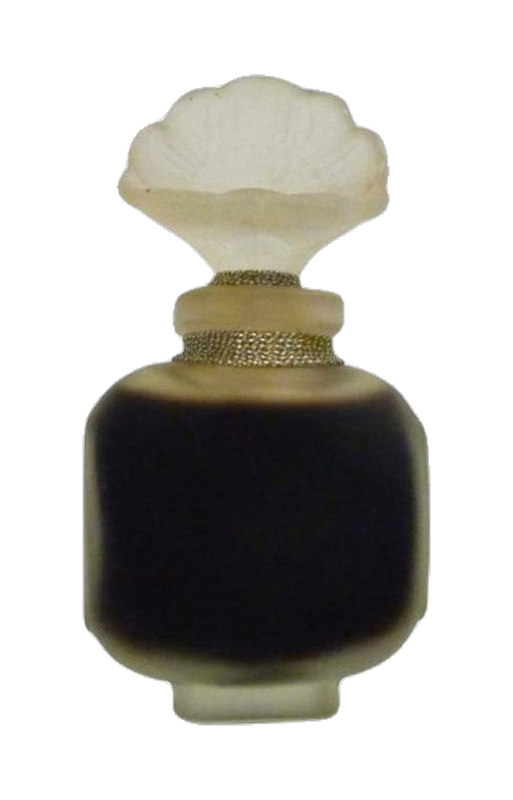
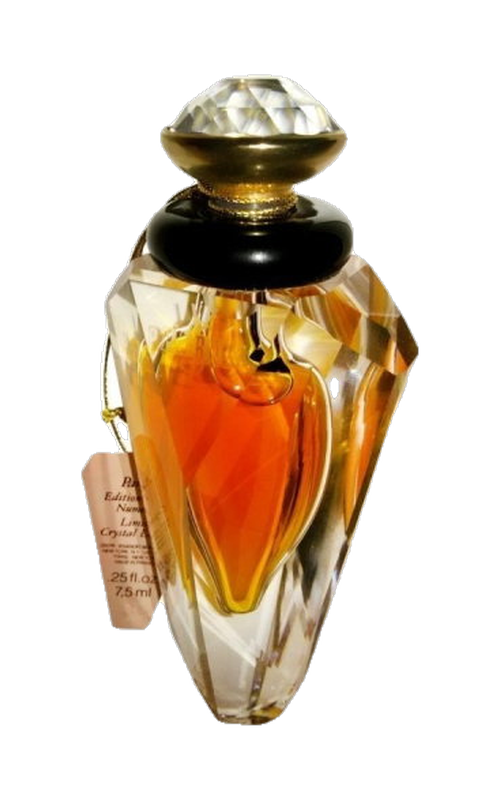
Sophia Grojsman created Paris in 1983 for Yves Saint Laurent. The name was the brief: this was meant to be the olfactory essence of the city itself. Not a love letter to Paris, not an interpretation. A capture. The kind of fragrance that could only exist in, and because of, that city. Grojsman, who also created the legendary Van Cleef & Arpels Pour Homme and countless other classics, understood that Paris the fragrance had to be both romantic and commanding. The name gave her permission to be maximalist.
If this were a song
Community picks
Experience
Ludovico Einaudi
The Beginning
Sophia Grojsman created Paris in 1983 for Yves Saint Laurent. The name was the brief: this was meant to be the olfactory essence of the city itself. Not a love letter to Paris, not an interpretation. A capture. The kind of fragrance that could only exist in, and because of, that city. Grojsman, who also created the legendary Van Cleef & Arpels Pour Homme and countless other classics, understood that Paris the fragrance had to be both romantic and commanding. The name gave her permission to be maximalist.
What makes Paris distinctive is its structure. A classic chypre base (moss, patchouli-like depth from the cedar, musk) supports a towering floral heart that most fragrances would front-load and then abandon. Here, the rose doesn't just open the show. It persists. It transforms. The addition of sandalwood and vanilla in the base shifts this from traditional chypre territory into something warmer, more intimate. It's as if Grojsman took the architecture of a 1970s powerhouse and softened it just enough for the 1980s woman who wanted power but also wanted to be held.
The Evolution
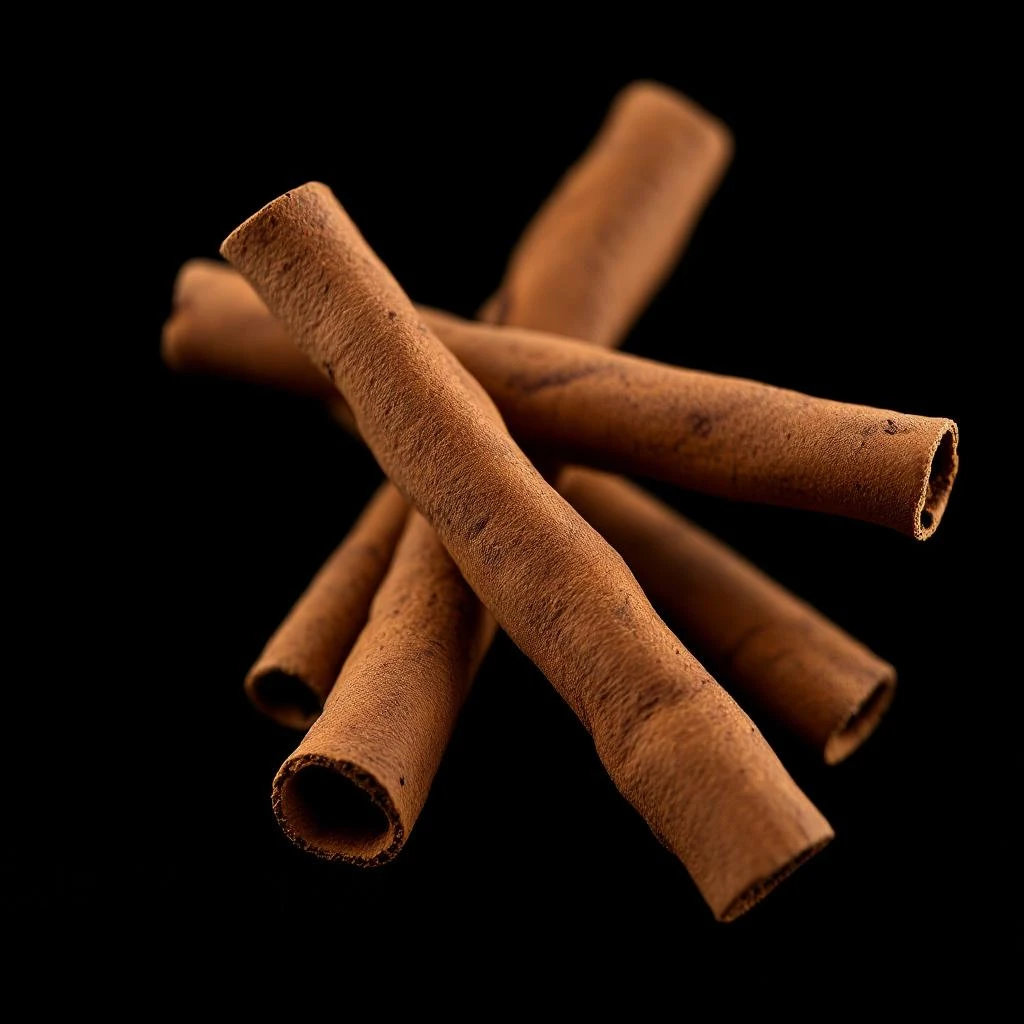
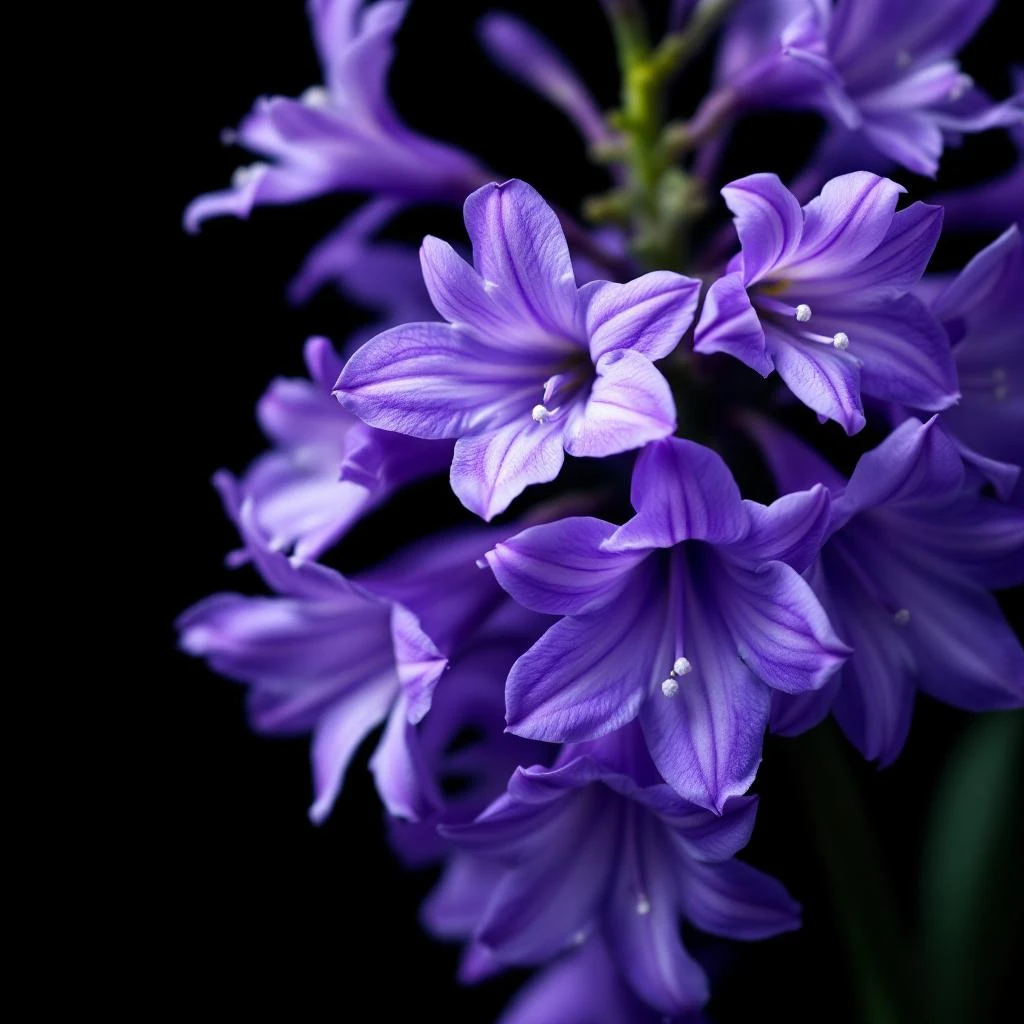
The opening hits fast. Within seconds, you're submerged in green florals, hyacinth leading with that peculiar vegetable-water intensity that either grabs you or startles you. The bergamot and cinnamon provide just enough counterpoint to keep it from overwhelming immediately, but make no mistake: this is not a slow build. The heart takes over within fifteen minutes and the florals become everything. Rose and jasmine form a dense, almost jam-like center that doesn't apologize for its presence. Around the two-hour mark, the base begins to emerge. Sandalwood and cedar arrive quietly, providing structure. But it's the amber and vanilla that really take hold, softening the entire composition into something that feels like being wrapped in warmth. By hour four, the fragrance becomes skin-close. By hour six, it's still detectable. On clothes? You might still catch a trace the next day. This is a fragrance that lives on your skin and refuses to leave.
Cultural Impact
Paris was released at the height of the powerhouse era, when fragrances were meant to be felt before they were smelled. It became one of the best-selling women's fragrances of its decade and remains a reference point for warm, rich, floral chypres. The fragrance's name set a trend that continues today: naming scents after cities as if capturing their essence in a bottle. It was a direct expression of YSL's identity as a house built on Parisian sophistication and bold creativity. Today, Paris is considered a vintage classic, sought after by collectors and worn by those who appreciate fragrance as a form of expression rather than background noise.
The House
France · Est. 1961
Yves Saint Laurent fragrances are the olfactory equivalent of its founder's revolutionary fashion: audacious, empowering, and unapologetically Parisian. The house creates scents that are not just accessories but statements of identity, blurring the lines between art, scandal, and pure elegance. YSL doesn't follow trends; it creates them with bold compositions that feel both timeless and thrillingly modern.
The Creator
Sophia GrojsmanYves Saint Laurent founded his couture house in 1961, forever changing women's fashion with ready-to-wear lines and designs that empowered rather than constrained. The YSL fragrance collection represents the same philosophy: bold, unapologetic scents that make statements rather than whispers.
If this were a song
Community picks
A crescendo of warm strings that builds and builds without ever becoming shrill. Classical pieces from the lateromantic era capture the density and richness of this fragrance. Think Film Scores: Max Richter, Ludovico Einaudi. Orchestral swells that mirror the initial wave of florals, then settling into something intimate.
Experience
Ludovico Einaudi