The Heritage
The Story of Yves Saint Laurent
Yves Saint Laurent fragrances are the olfactory equivalent of its founder's revolutionary fashion: audacious, empowering, and unapologetically Parisian. The house creates scents that are not just accessories but statements of identity, blurring the lines between art, scandal, and pure elegance. YSL doesn't follow trends; it creates them with bold compositions that feel both timeless and thrillingly modern.
Heritage
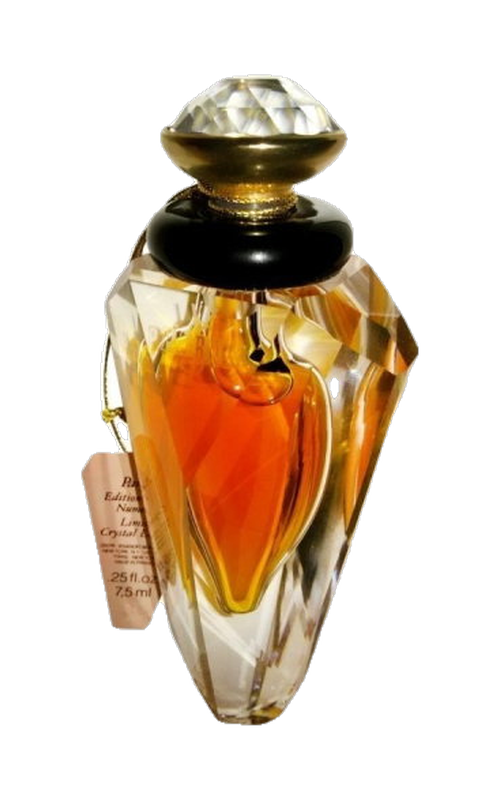
The Yves Saint Laurent story begins not with a bottle, but with a sketch. After founding his eponymous couture house with partner Pierre Bergé in 1961, Yves Saint Laurent quickly sought to create a complete universe for the women he dressed. He launched his first fragrance, 'Y', in 1964, a sophisticated green chypre that captured the elegance of his early collections. This was just the beginning. The house's fragrance identity truly ignited with scents that mirrored the social shifts of their time. 'Rive Gauche' (1971) was a perfume for the liberated woman, famously packaged in a practical, chic metal canister. Then came 'Opium' in 1977. Its spicy, ambery depth and provocative name caused an international sensation, drawing both protests and obsessive devotion. It became one of the best-selling fragrances of all time and perfectly defined the brand's love for beautiful controversy. Throughout the 80s and 90s, classics like the powerful masculine 'Kouros' and the romantic floral 'Paris' further solidified YSL's perfume legacy. After the founder's retirement, the beauty license was acquired by L'Oréal in 2008, which has since pushed the brand to new commercial heights with modern blockbusters like 'Black Opium' and 'Libre', ensuring the YSL spirit of audacious self-expression continues to resonate with a new generation.
Craftsmanship
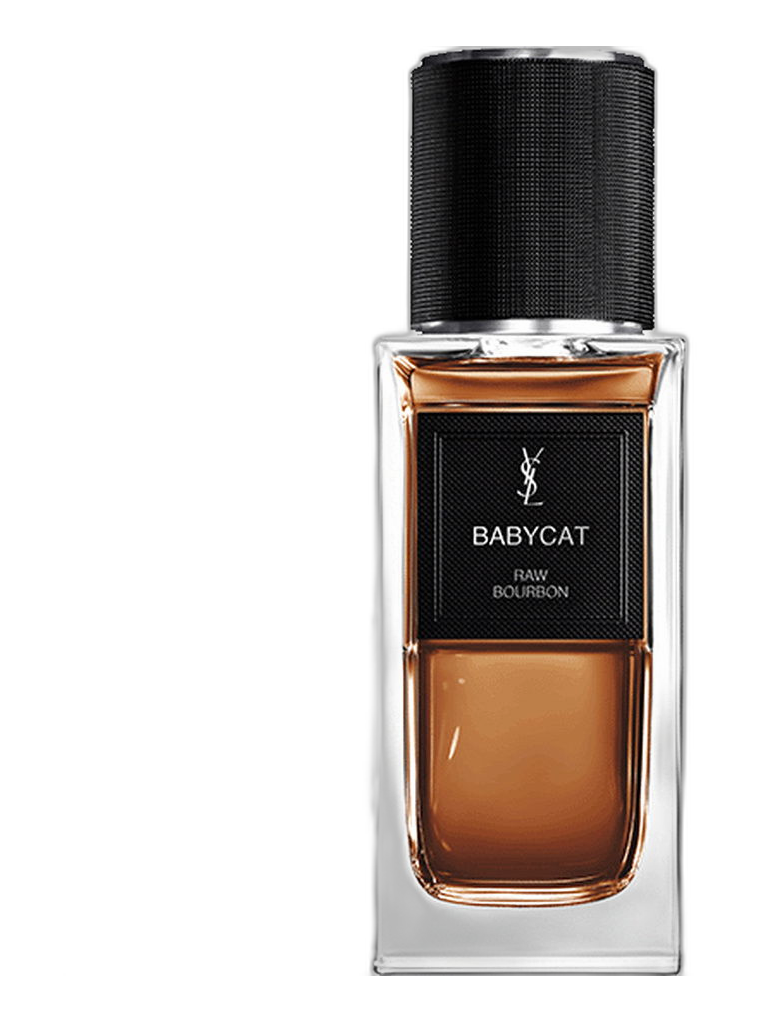
As part of the L'Oréal Luxe portfolio, YSL Beauté benefits from a massive global network for sourcing and development. The house works with the world's most renowned master perfumers, like Dominique Ropion, Anne Flipo, and Carlos Benaïm, giving them the freedom to compose with an exceptional palette of ingredients. They combine high-quality natural materials, often sourced through L'Oréal's sustainable and ethical programs, with advanced, proprietary synthetic molecules that provide performance and unique character. For example, the Diva Lavender heart used in Libre is a special fraction sustainably sourced for the brand in Provence. Beyond their main collections, YSL's commitment to high perfumery is on full display in their exclusive 'Le Vestiaire des Parfums' collection. Here, perfumers translate the textures and silhouettes of the house's iconic garments, like the trench coat, the safari jacket, and the tuxedo, into complex, artistic scents. This collection showcases their ability to work with precious materials and abstract concepts, treating perfumery with the same reverence as haute couture and reinforcing the deep connection between the brand's fashion and fragrance worlds.
Design Language
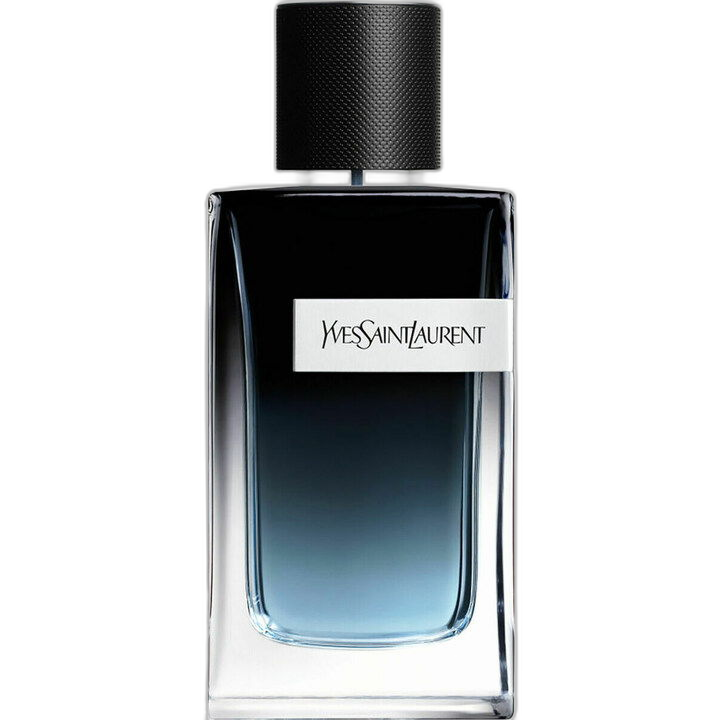
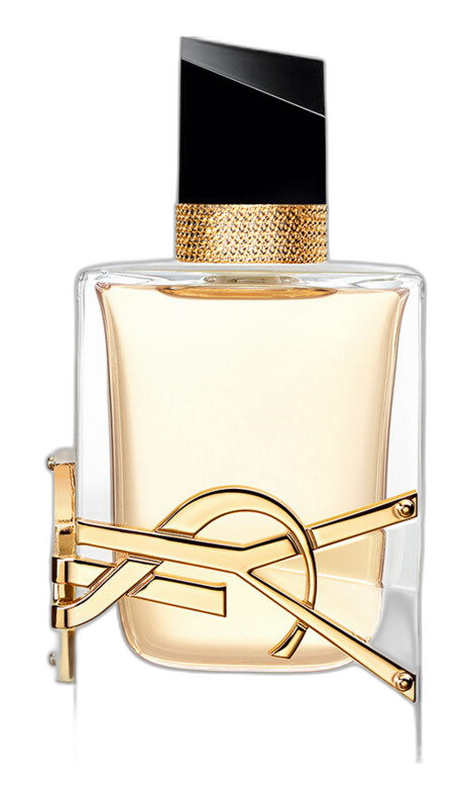
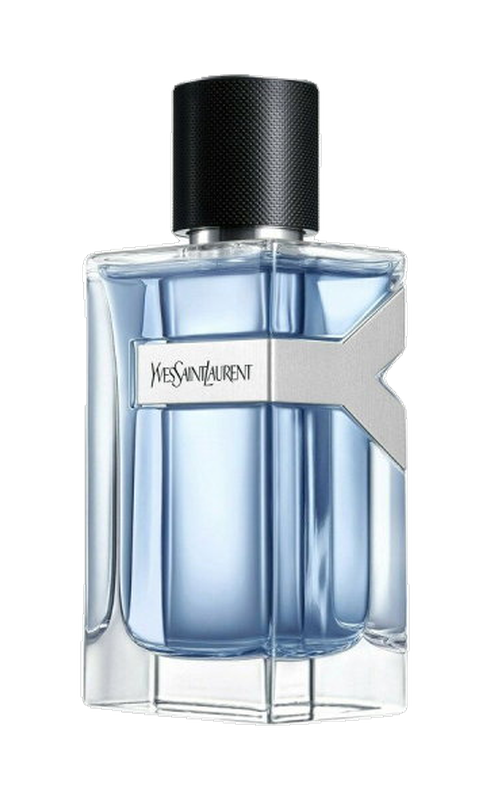
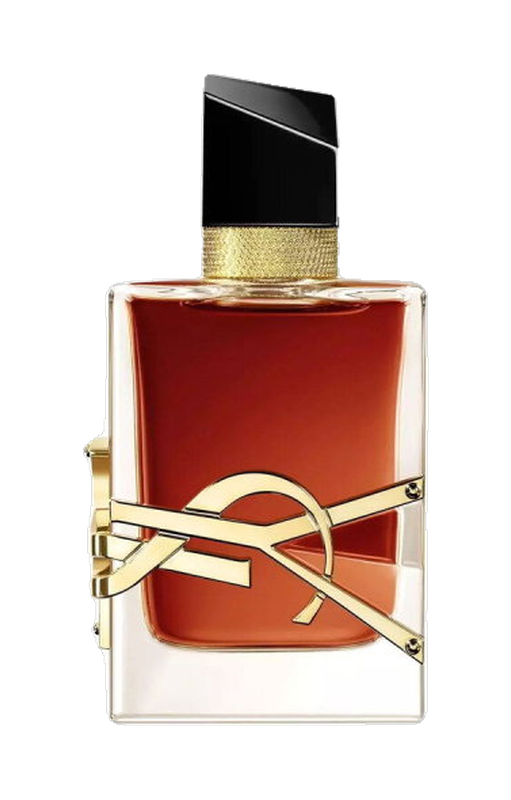
The visual identity of an Yves Saint Laurent fragrance is as important as the scent itself. Each bottle is a designed object, a piece of art for the vanity that tells a story. The brand's aesthetic is architectural, bold, and luxurious. Consider the original 'Opium' bottle, a design masterpiece inspired by the Japanese 'inrō', a small lacquered container worn by samurai. It was a radical departure from the clear glass bottles of its time and signaled the exotic, mysterious nature of the perfume within. This tradition of strong design continues today. The 'Libre' bottle features the iconic YSL Cassandre logo bent and nailed into the glass, a piece of hardware-as-jewelry that feels both edgy and elegant. The 'Y' for men bottle is a solid, minimalist block of glass with a sharp metal notch cutting into its side. The packaging is always deliberate, using a stark palette of black, gold, and glass to convey power and sophistication. It’s a look that feels both modern and deeply rooted in the brand's couture heritage.
Philosophy
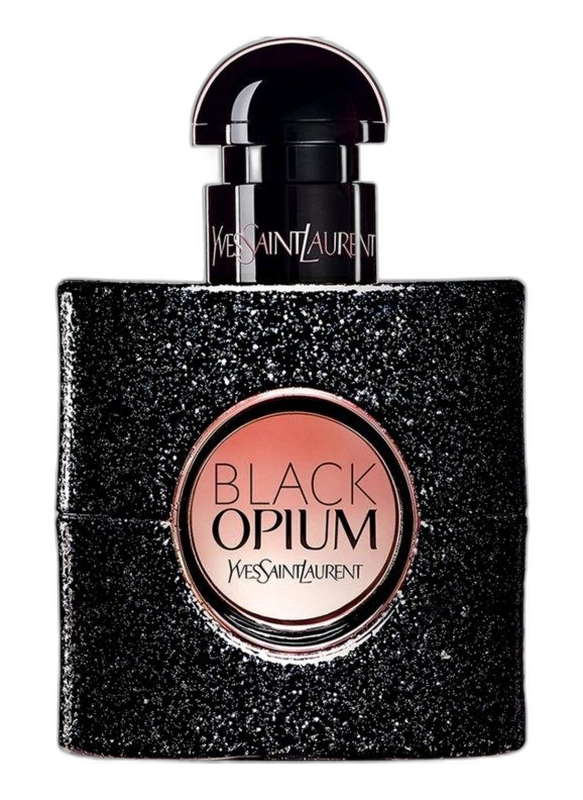
Audacity is the driving force behind every YSL fragrance. The house believes perfume should be a declaration, a tool of seduction and power. This philosophy comes directly from Yves Saint Laurent himself, who famously said he wanted to give women a man's tuxedo. He did the same with scent, often playing with the tension between traditionally masculine and feminine notes to create something new and exciting. YSL fragrances are built on contrasts: light and dark, innocence and subversion, classic structure and unexpected twists. This approach gives their creations a distinctive character that is immediately recognizable. Whether it's the coffee-floral accord of 'Black Opium' or the floral-fougere structure of 'Libre', the goal is to create a signature scent that feels both luxurious and a little dangerous. It's about celebrating individuality and providing the confidence to break the rules, all while maintaining an unmistakable Parisian chic.
Key Milestones
1964
The first fragrance, 'Y', is launched, a tribute to the elegance of YSL's couture.
1971
'Rive Gauche' is released in a revolutionary cobalt and silver metal canister, targeting the modern, independent woman.
1977
'Opium' launches, creating a global scandal with its name and becoming a legendary blockbuster.
1993
A fragrance named 'Champagne' is launched, but is later renamed 'Yvresse' after a lawsuit from French wine producers.
2014
'Black Opium' is introduced, a modern coffee-floral reinterpretation that becomes a global phenomenon.
2019
'Libre' is launched, a major new pillar for the house that reimagines the fougère structure for women.
At a Glance
Brand profile snapshot
Origin
France
Founded
1961
Heritage
65
Years active
Collection
9
Fragrances released
Avg Rating
3.5
Community sentiment