

The Heritage
The Story of Creed
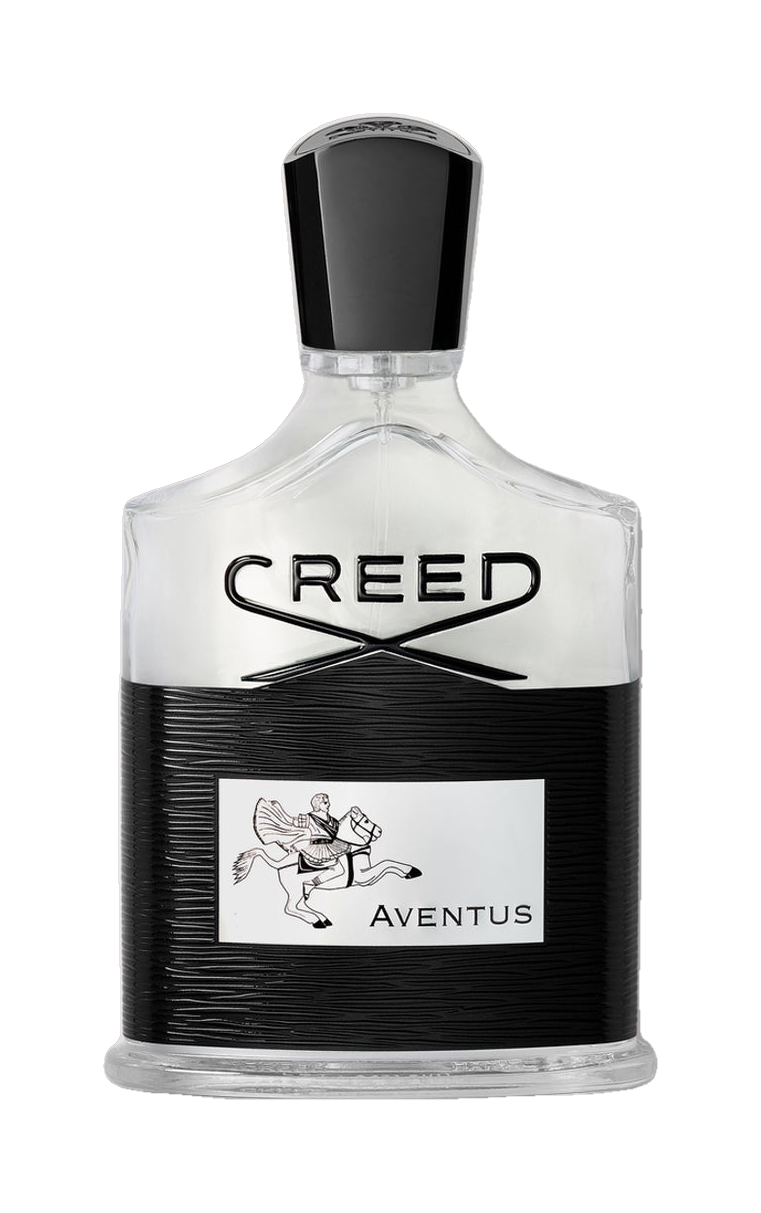
The oldest privately held fragrance dynasty in the world, Creed has supplied royal courts since 1760. Sixth-generation master perfumer Olivier Creed continues the tradition of hand-selecting materials from source — Calabrian bergamot, French ambergris, Haitian vetiver. Aventus alone has spawned an entire subculture. The house stands as living proof that heritage and relevance are not mutually exclusive.
Heritage
The official Creed legend is as grand as its fragrances. The story begins in 1760 with James Henry Creed, a London tailoring house that supplied scented gloves and bespoke garments to the court of King George III. The family narrative charts a course through history, serving royal houses across Europe, from Queen Victoria to Empress Eugénie of France, for whom the house supposedly relocated to Paris in 1854. This rich history, passed from father to son for generations, forms the core of the brand's identity. However, this storied past is a subject of great discussion among fragrance historians. Many researchers find little to no independent evidence of Creed's existence as a perfumer before the 1970s. The modern iteration of the house truly took shape under Olivier Creed, the sixth-generation family member who, alongside his son Erwin, transformed the brand into the global powerhouse it is today. He shifted the focus entirely to fragrance, launching iconic scents that defined the brand's contemporary reputation. In 2020, this long family history took a new turn when the company was acquired by BlackRock and seasoned luxury executive Javier Ferrán, beginning a new chapter for the legendary name.
Craftsmanship
The house of Creed prides itself on a production method that honors traditional techniques. Central to their process is a cold-maceration technique they call 'infusion,' a labor-intensive method abandoned by most modern perfume houses. Instead of using common industrial tinctures, Creed claims to steep raw materials like vanilla, iris, and ambergris in solvent for weeks, a process they say yields a richer and more complex base. This concentrate is then blended with other essences to create the final perfume. Sourcing is paramount. The brand's marketing emphasizes Olivier Creed's role in traveling the globe to hand-select ingredients: bergamot from Calabria, roses from Bulgaria, vetiver from Haiti, and sandalwood from Mysore. This direct-from-source approach, combined with their in-house infusion method, is presented as the secret to the signature clarity and longevity of a Creed fragrance. While now operating on a much larger scale, the company maintains that this dedication to the quality of the raw materials remains unchanged.
Design Language
The visual identity of Creed exudes a sense of old-world, masculine-leaning luxury. The brand's signature flacon is a strong, substantial bottle with broad shoulders and a flask-like silhouette, conveying heritage and permanence. The family crest, a plume of ostrich feathers, is proudly displayed on the bottle and cap, a nod to the brand's purported aristocratic and tailoring origins. Many of the bottles feature sandblasted logos and details rather than printed labels, adding a tactile element of quality. Packaging is stately and refined, often using heavy cardstock in black, white, and gold, reinforcing the brand's premium positioning. The overall aesthetic isn't one of fleeting trends but of enduring, confident classicism. It’s a design language that feels both historic and powerful, perfectly matching the character of the fragrances held within.
Philosophy
Creed's philosophy is rooted in a concept they call 'artisan perfumery.' The house positions itself as a direct link between the perfumer's vision and the finished bottle, sidestepping mass-market trends in favor of timeless creations. Olivier Creed often spoke of his fragrances as a personal olfactive journal, bottling the memories of his travels and experiences. This approach champions the ingredient as the star, believing that the world's finest raw materials, when expertly blended, will speak for themselves. The house values a sense of exclusivity and legacy, treating its clients not just as customers but as inheritors of a tradition. This belief system underpins their 'Millesime' designation, which frames their fragrances like fine wine, subject to the subtle variations of each year's harvest. It's a commitment to character over absolute consistency, a value that resonates deeply with their dedicated followers.
Key Milestones
1760
James Henry Creed establishes a tailoring house in London, the date the brand marks as its official origin.
1854
According to house legend, Creed relocates to Paris at the request of Empress Eugénie, wife of Napoleon III.
1985
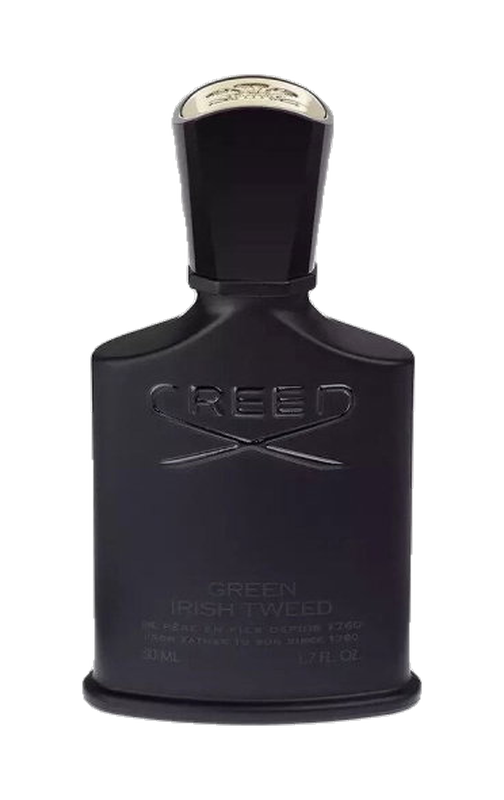
Green Irish Tweed is launched. The aromatic fougère becomes a global best-seller and a benchmark for men's perfumery.
2010
Aventus is released. This fruity chypre fragrance achieves unprecedented commercial success and cultural impact.
2020
The Creed family sells a majority stake in the business to BlackRock LTPC and chairman Javier Ferrán, ending centuries of family ownership.
At a Glance
Brand profile snapshot
Origin
France
Founded
1760
Heritage
266
Years active
Collection
4
Fragrances released
Avg Rating
4.2
Community sentiment