The Heritage
The Story of Dior
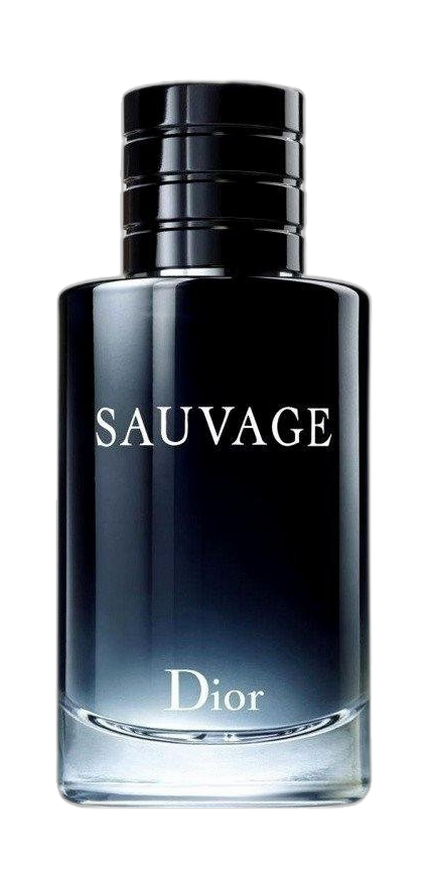
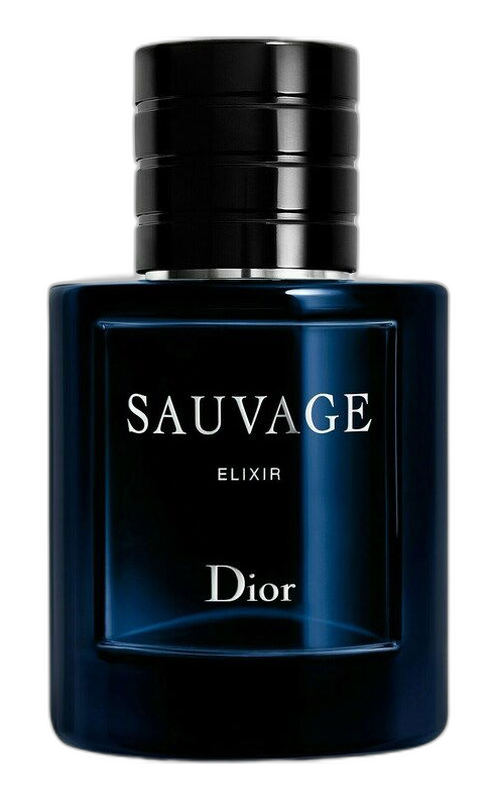
Christian Dior launched his first fragrance, Miss Dior, the same year he showed the revolutionary New Look in 1947. The house has since built one of the most comprehensive luxury fragrance portfolios in existence, from the masculine reinvention of Sauvage to the couture exclusivity of La Collection Privée. Under perfumer François Demachy, Dior balances mainstream appeal with genuine artistry.
Heritage
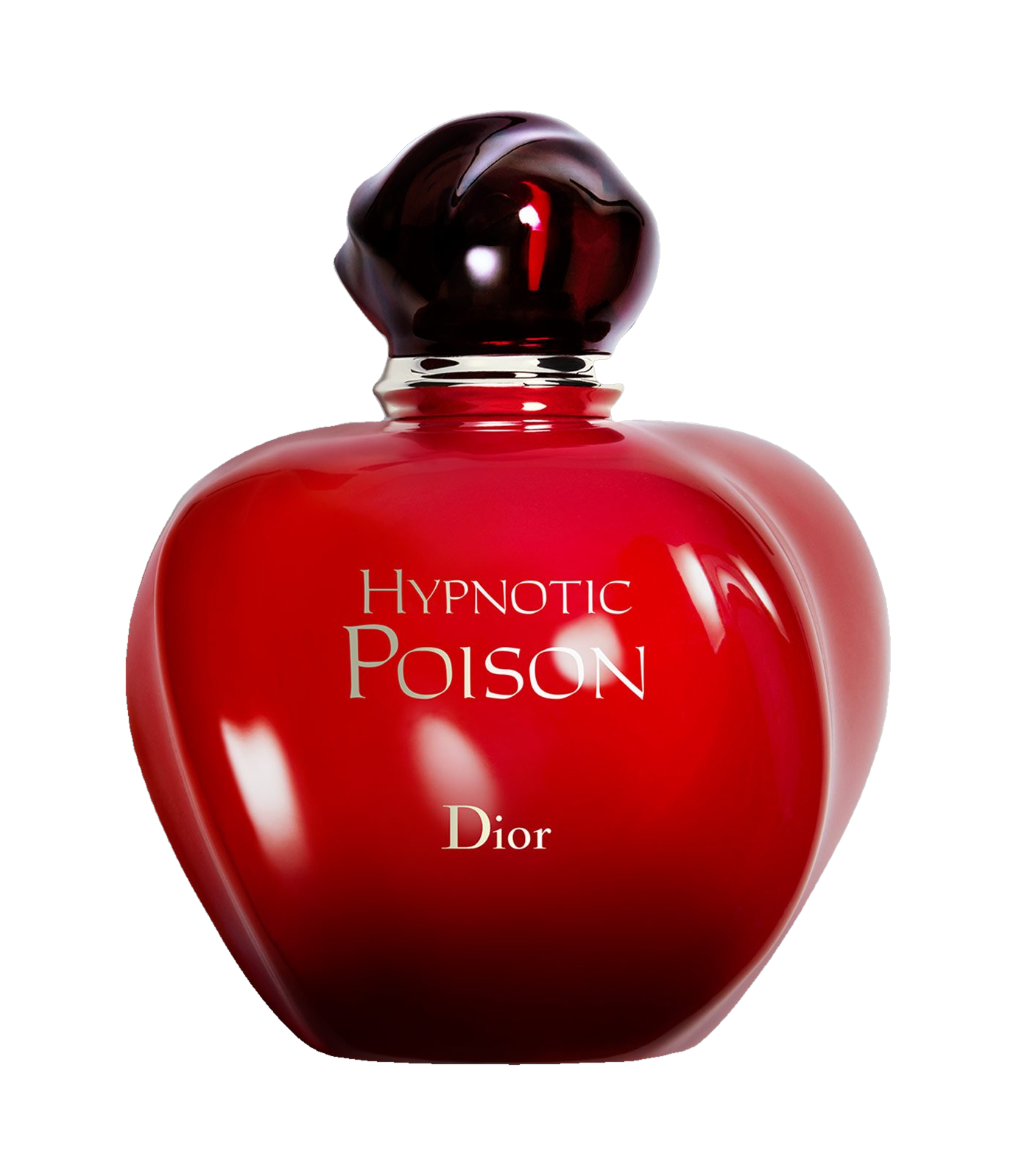
When Christian Dior established his couture house in 1946, he didn't just want to dress women; he wanted to perfume them. In 1947, alongside his revolutionary 'New Look' collection, he launched his first scent, Miss Dior. It was a spectacular green floral chypre conceived as the fragrant finishing touch to his gowns, a scent that 'smells of love.' This act forever entwined Dior's fashion with its fragrances. The couturier's own passion for flowers, cultivated in his childhood garden in Granville, became the brand's olfactory soul. After Christian Dior's sudden death in 1957, the fragrance house continued to define its eras. Eau Sauvage (1966) set a new standard for masculine freshness that still endures. The 1980s were marked by the opulent and divisive Poison, a heady tuberose that perfectly captured the decade's spirit of excess. The turn of the millennium brought J'adore (1999), a radiant floral bouquet that became a global phenomenon and a pillar of modern femininity. Through it all, Dior has maintained its status as a leader, shaping the public's taste while honoring its founder's original vision.
Craftsmanship
Dior's commitment to quality is absolute, starting from the ground up. The house has secured exclusive, long-term partnerships with growers in the Grasse region of France, including the Domaine de Manon and Clos de Callian. These partnerships guarantee access to harvests of exceptionally fragrant Centifolia Rose (May Rose) and Jasmine Grandiflorum, the legendary flowers at the core of its most famous extraits. This farm-to-bottle control is a rarity at this scale. The creative process is guided by the house's Perfume Creation Director. From 2006 to 2021, François Demachy defined the modern Dior scent profile, creating hits like Sauvage and overseeing the entire portfolio. In 2021, the celebrated perfumer Francis Kurkdjian took the helm, signaling a new creative chapter. The work happens at Les Fontaines Parfumées, a state-of-the-art creation laboratory in a historic Grasse villa, where the perfumer's vision is joined with the world's finest natural ingredients to compose the next generation of Dior icons.
Design Language
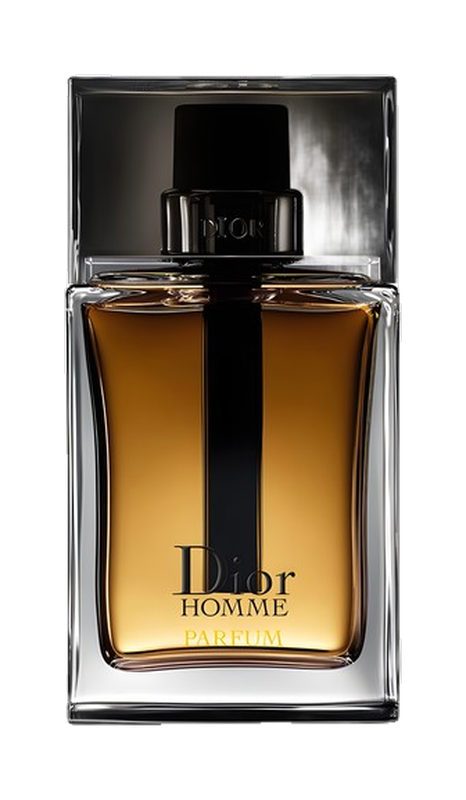
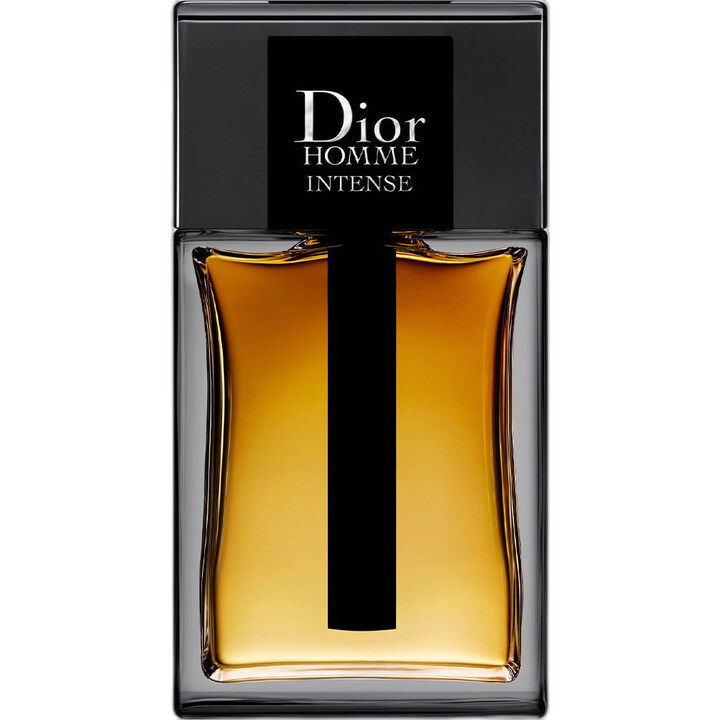
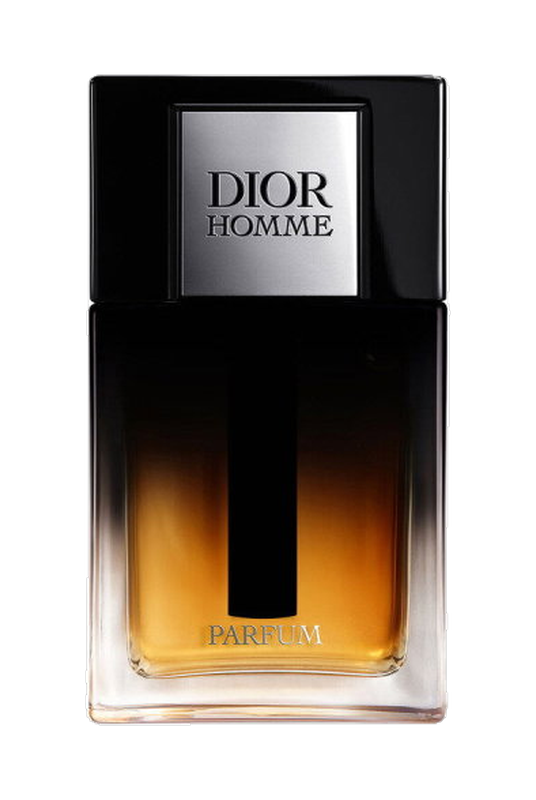
The visual language of Dior fragrance is as important as the scent itself. Each bottle is a piece of design history, directly linked to the house's couture codes. The first Miss Dior bottle featured the houndstooth pattern etched into the glass, a motif taken directly from Dior's fashion. J'adore's golden amphora bottle, with its stacked Masai-inspired rings, is an icon of sensuous femininity, while the Dior Homme bottle is a sleek, architectural block of glass with a deceptively simple steel tube plunged into its heart. The aesthetic balances ornate classicism with a clean, modern line. Bottles feel substantial and luxurious in the hand. This is contrasted by the unified look of the Maison Christian Dior collection, which presents its fragrances in elegant, cylindrical bottles of sober uniformity. This apothecary-like simplicity puts the focus squarely on the color and character of the perfume inside, creating a library of scents for the true connoisseur.
Philosophy
At its heart, Dior's philosophy is that perfume is an indispensable part of style and personality. Christian Dior himself saw it as the 'final touch on a dress.' This belief drives a dual approach to creation. On one hand, the house produces magnificent, widely appealing fragrances that become cultural touchstones. On the other, it nurtures a deep respect for raw materials and high perfumery, most evident in the exclusive Maison Christian Dior line. This commitment is rooted in a love for exceptional flowers, particularly the roses and jasmine from Grasse, the cradle of French perfumery. The house isn't just selling a product; it's offering a piece of the Dior dream. Whether it's a bold statement or a subtle signature, a Dior scent is designed to be worn with confidence and elegance, an invisible garment that communicates a powerful sense of self.
Key Milestones
1946
Christian Dior founds his couture house at 30 Avenue Montaigne in Paris.
1947
The 'New Look' collection revolutionizes fashion and the first fragrance, Miss Dior, is launched.
1966
Eau Sauvage, a citrus aromatic created by Edmond Roudnitska, is released and redefines masculine fragrance.
1985
The bold and dramatic tuberose fragrance, Poison, is launched, becoming a symbol of the decade.
1999
J'adore is released. Its radiant floral composition and iconic bottle make it a global bestseller.
2021
Renowned perfumer Francis Kurkdjian is appointed Perfume Creation Director, succeeding François Demachy.
At a Glance
Brand profile snapshot
Origin
France
Founded
1946
Heritage
80
Years active
Collection
6
Fragrances released
Avg Rating
4.2
Community sentiment