
The Story
Why it exists.
The beginning
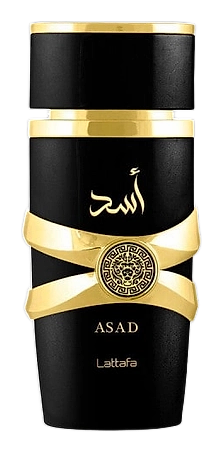
Lattafa Perfumes emerged from Dubai in 1980, operating from the souks and driven by a conviction that Arabian luxury should be accessible. They maintain complete control over production, from initial concept to final bottle. Asad translates to Lion in Arabic, a name carrying unmistakable weight and authority. The perfumer channels regal energy through bold black pepper, smoky tobacco, and tropical pineapple sweetness that prevents heaviness. The fragrance targets someone seeking presence without pretension.
These notes were chosen to balance spice with warmth, intensity with refinement. Black pepper and tobacco create immediate impact, pineapple prevents heaviness, patchouli and coffee bring earthy depth, while vanilla, amber, benzoin, and labdanum create a lasting impression of warmth. Each layer builds on the previous, resulting in a fragrance that commands attention while remaining wearable.
The evolution
The opening announces itself with black pepper spice, setting a confident tone. Tobacco smoke follows, adding rugged character that complements the pepper nicely. Fresh pineapple slices through periodically, keeping the introduction surprisingly bright despite its intensity. As heart notes emerge, patchouli takes center stage, its earthy richness anchoring the wearer in warmth. Coffee notes lend a bitter, almost energizing quality that adds unexpected depth. Iris subtly appears, providing powdery elegance that rounds out the composition. The drydown rewards patience: vanilla and amber combine for creamy sweetness, while woody notes stabilize the blend. Benzoin and labdanum introduce resinous, balsamic nuances that create a sophisticated foundation lasting well into the evening.
Cultural impact
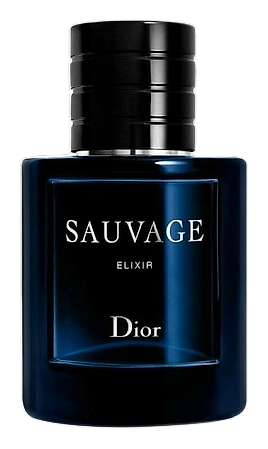
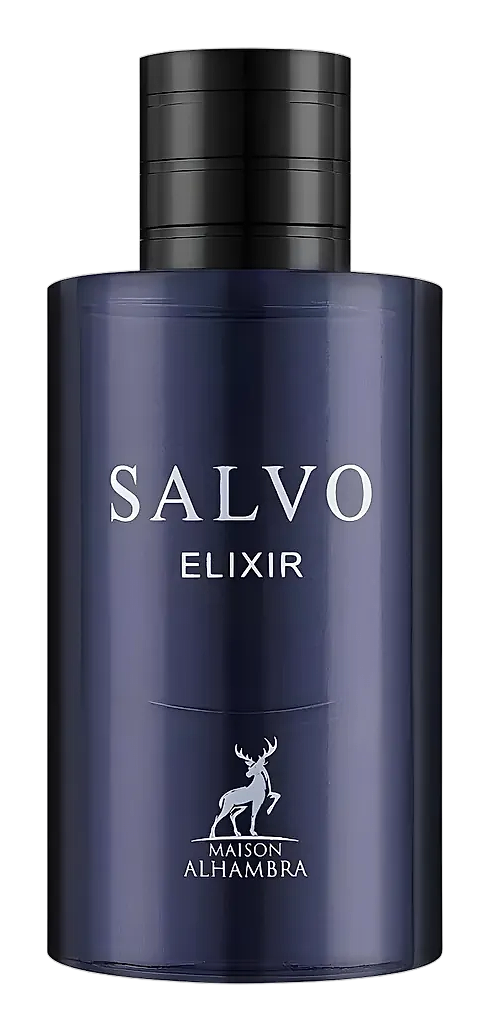
Asad continues to generate discussion among fragrance enthusiasts. The scent draws frequent comparisons to luxury fragrances, with many noting its quality and depth. The broader conversation about affordable alternatives has expanded to examine which budget options genuinely rival their high-end counterparts, and Asad frequently appears in these discussions as an example worth examining.