The Story
Why it exists.
The beginning
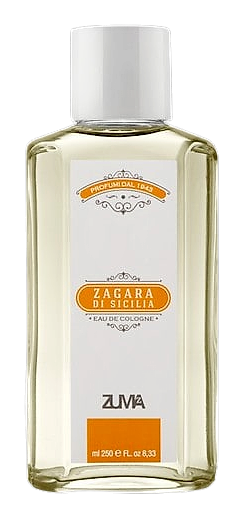
Zagara is the Sicilian word for orange blossom, and it sits at the heart of everything Zuma does. The house was founded in 1943 in Sicily, established around a single creative obsession: zagara, the bitter-orange flower, expressed in classic cologne construction. Lighter concentrations, an emphasis on citrus and white flowers, no heavy extrait theatrics. The cologne doesn't add layers for the sake of complexity. It refines one idea until it's impossible to mistake for anything else. Colonia Zagara opens with that bitter-orange flower front and center, neroli lending the bloom its citric snap so the sweetness never tips into syrup. Bergamot, lemon, and mandarin build a bright scaffold underneath, lifting the composition before the florals even land.
Zagara di Sicilia doesn't chase complexity. It leans into a single ingredient story and lets the structure do the work. The neroli gives the orange blossom its citric snap, preventing the sweetness from going cloying. Bergamot, lemon, and mandarin lift the opening before the florals even arrive. Lavender adds a clean herbal edge that keeps the whole composition from feeling like confection. What makes it worth attention is the restraint. This is a cologne that knows what it is. The freshness in the first twenty minutes is the point.
The evolution
The first ten minutes belong to citrus, and only citrus. Bergamot, lemon, and mandarin hit almost simultaneously, sharp and green and slightly bitter, the way citrus smells when you tear the skin with your thumbnail. The neroli arrives fast, within the first few minutes, cutting into the orange blossom's sweetness before it can settle into anything heavy. This is the cleanest phase, bright, almost crystalline in how it throws the individual notes into focus. Around the thirty-minute mark the orange blossom takes over properly, warm and honeyed now rather than sharp. Tuberose adds a creamy undertone that wasn't there before, softening the cologne into something that sits closer to the skin. The sweetness rounds out, the green edges recede, and the composition shifts from a sparkle into something more textured.
Cultural impact
Zagara holds a particular place in Italian fragrance culture as a commercially available cologne from a Sicilian house. It reads as part of a tradition of bright citrus-and-white-flower colognes built around the bitter-orange flower, the kind of composition that has been quietly worn for decades while the rest of the industry chased darker, denser materials. The cologne wears with the ease of a daily signature rather than as a statement piece. There's no performance theatrics, no loud base notes trying to lock the wearer into a single impression.