





Heritage
A house, in its own words
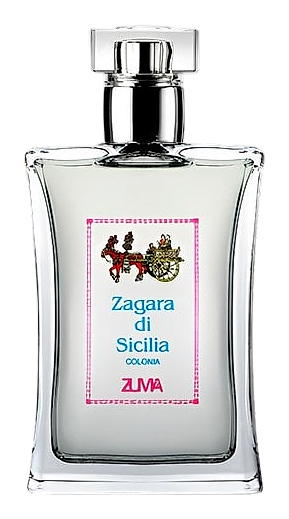
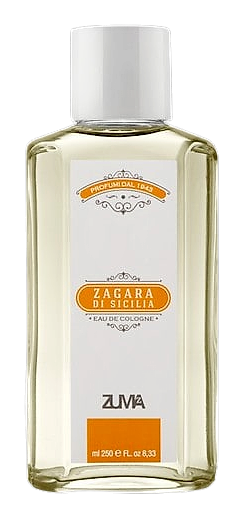
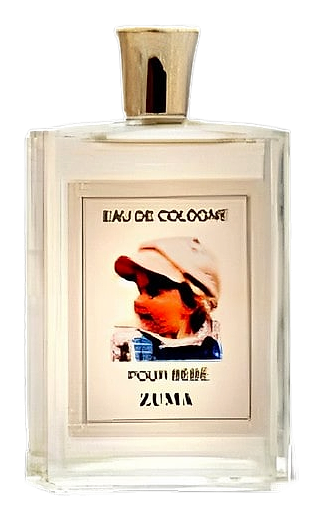
Profumi Zuma was established in 1943 in Palermo, on Via Principe di Belmonte, one of the principal thoroughfares of the Sicilian capital. The company came into being through the initiative of two entrepreneurs whose names appear in the house's own corporate history, though they are not widely referenced in third-party perfume publications. From its earliest years, the business oriented itself around a single idea: building fragrances that expressed the raw materials of Sicily itself, rather than chasing the floral-aldehyde fashions of the French maisons. The first commercial pillar was Cologne Zagara Zuma, a cologne built around orange blossom, or zagara in Sicilian dialect, the flower that fills the island's citrus groves between March and May. This early cologne established the template the house would revisit repeatedly over subsequent decades, including later releases such as Zagara di Sicilia Eau de Colonia and Zagara di Sicilia Colonia. Over time the catalogue expanded to include Classica, a more structured classic cologne; Colonia Limone, centered on Sicilian lemon; Bergamotto, built around bergamot from the nearby Calabrian and Sicilian coastlands; and Gelsomino, a jasmine-focused composition. The range also includes Original White Musk, a softer musk, Zyz, a lighter contemporary release, and Acqua di Colonia, a gentle formulation originally created for children. The house remains a family-scale operation by international luxury standards, and it continues to identify its location as Sicily rather than repositioning toward a generic Italian or European identity. Zuma's creative orientation has stayed close to its founding premise: Sicilian ingredients, expressed through cologne-style constructions rather than heavy extrait formulations. The house frames this as a question of authenticity, that a fragrance made in Palermo should smell like Palermo, drawing on the citrus and white flowers within a short drive of its laboratory rather than relying on imported absolutes. This manifests as a clear preference for lighter concentrations, including eaux de cologne, eaux de toilette, and alcohol-free formats, and for compositions where individual ingredients remain legible rather than blended into opaque bouquets. The orange blossom line, taken together, reads almost as a study of a single flower under different conditions: the zagara cologne of the 1940s, a 1943-named edition, and the later Zagara di Sicilia releases each treat the note differently. The same approach shapes Bergamotto, Gelsomino, and Colonia Limone, which each isolate one regional ingredient as the central voice. The house has avoided the temptation to license its name to celebrity fragrances or to rebrand around a Parisian creative director, and it continues to position its products as everyday Mediterranean scents rather than collector pieces.