The Story
Why it exists.
The beginning
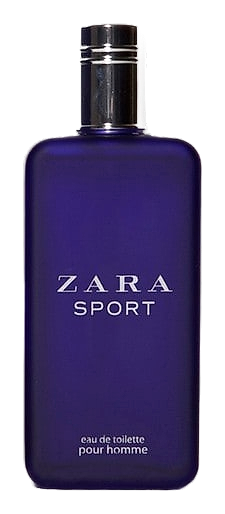
Zara entered the fragrance world in 1998 through a partnership with Spanish fragrance house Puig, bringing the same speed-to-market logic that defined its fashion collections. Zara Sport emerged from that approach, not heritage perfumery, but accessible scent design that moves when the market moves. The name says everything: Sport. A fragrance engineered for movement, for the man who applies in the morning and doesn't think about it again until he's done whatever comes next. Bergamot and melon open the composition like a splash of cold water. Thyme and apple build the middle, slightly sweet, herbal, grounded. Sandalwood anchors it all. Nothing revolutionary, but revolutionary for how efficiently it delivers what it promises.
The structure is tighter than most fragrances at this price point. Five notes total, bergamot, melon, thyme, apple, sandalwood, and each one earns its place. The bergamot-melon pairing is particularly smart: bergamot provides the sharp citrus character that signals freshness, while melon softens the edges and adds a watery, almost dewy quality that prevents it from reading as a standard citrus cologne. Thyme is unusual at this level. It's an herb that typically appears in niche compositions or masculine fougères, not in a mass-market sport fragrance. Here it does the work of keeping the scent from smelling generic.
The evolution
The opening hits fast. Bergamot and melon arrive together, bright and immediate, the kind of freshness that reads as clean skin rather than perfumed skin. Thirty minutes in, the melon fades and the thyme begins to assert itself, herbal, slightly green, a little sharp. The apple appears quietly, threading through the heart without announcing itself. By the second hour, the sandalwood has arrived. It's not a dramatic reveal, more a slow settling, a warmth that creeps into the composition as the top notes thin. The drydown is clean and woody, closer to the skin than most wearers would expect from the opening. Six to eight hours of presence on most skin types, moderate sillage throughout. What lingers isn't the citrus or the melon, it's a quiet sandalwood warmth that stays close, intimate, like the scent of a shirt worn all day.
Cultural impact
Zara Sport Pour Homme emerged from the broader democratization of fragrance culture in late 1990s Europe, when fashion retailers began positioning scents as accessible accessories rather than luxury goods. The 1998 partnership with fragrance house Puig marked Zara's entry into this market, allowing the brand to offer simple aromatic compositions at mass-market prices. This strategy prioritized straightforward structures using accessible materials, bergamot and melon for brightness, paired with long-lasting sandalwood in the base, to deliver reliable performance over complexity. Such an approach resonated particularly in markets where price sensitivity made traditional prestige fragrances prohibitive.