The Story
Why it exists.
The beginning
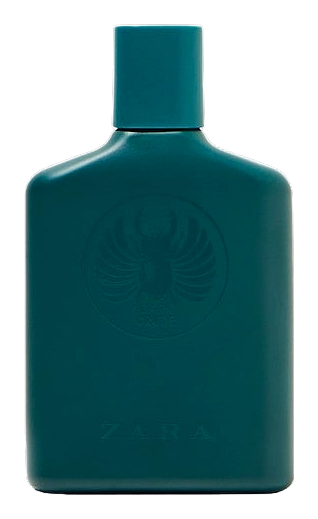
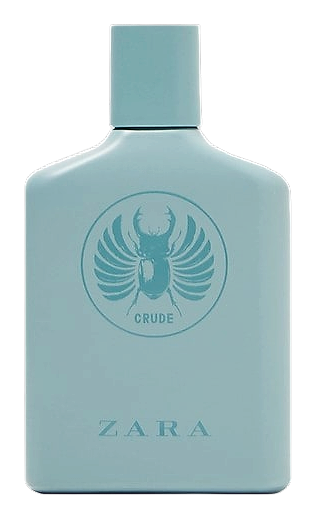
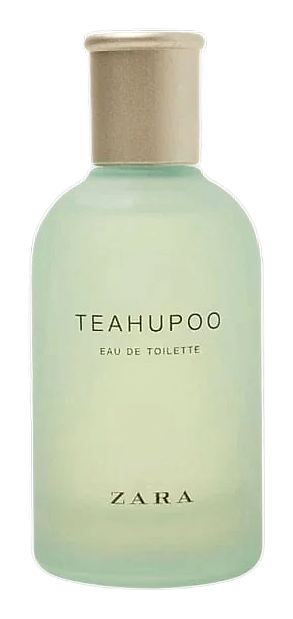
Teahupoo borrows its name from a place, somewhere distant and waterlogged, where the ocean runs heavy and the vocabulary of surf culture feels native. Zara's men's fragrance lineup dropped Teahupoo alongside Pipeline and Waimea, each one carrying the cool shorthand of coastal living. The idea was simple: bottle the feeling of cold saltwater and hot sun without leaving dry land. Grounded in the brand's accessible, trend-forward approach to perfumery, Teahupoo was designed to deliver that coastal energy at a price point most wardrobes can absorb. It lands in that Zara sweet spot where the packaging looks considered, the sprayer feels weighty, and the juice inside smells like it costs more than it does.
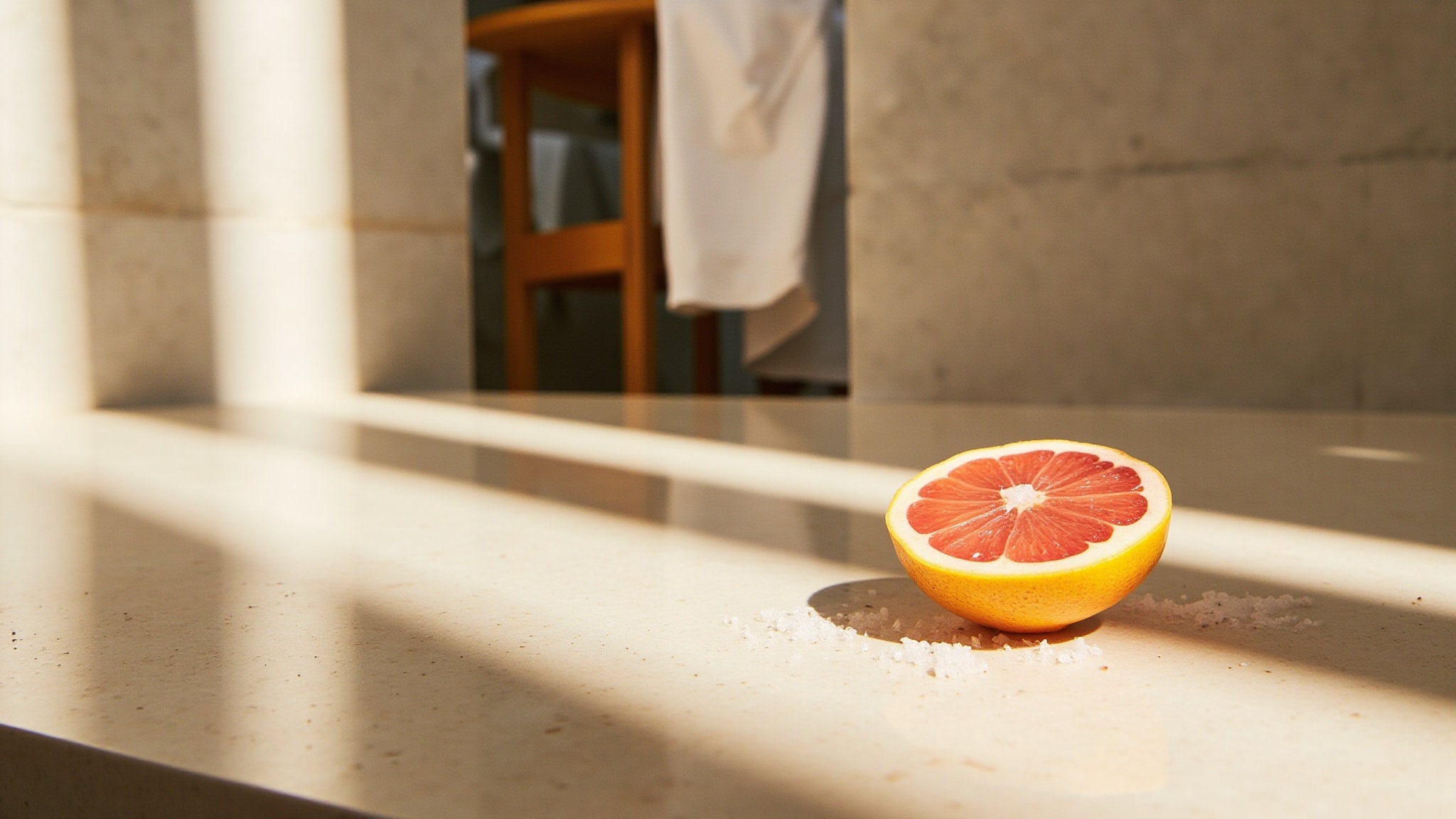
What makes Teahupoo structurally interesting is its stripped-back architecture. The pyramid runs lean: grapefruit and bergamot up top, marine and aquatic notes in the middle, sandalwood carrying the base. No heavy spices, no dense resins. The composition works because it commits to one mood, aquatic-fresh, and stays there. The grapefruit is what gives it bite, a tart, almost pithy citrus that cuts through the opening like a knife across a chilled rind. Bergamot softens the edges, lending a faintly bitter tea-like warmth that keeps the top from reading as a simple sport splash.
The evolution
The first thirty seconds are sharp. Grapefruit and bergamot arrive together, loud and a little soapy, that opening burst you get on freshly applied skin. Within ten minutes the marine accord rolls in, cool and synthetic in a way that means clean laundry on a breezy day. There's a salt-air feeling, but it's more polished than oceanic, closer to a hotel shower than a beach. Around the ninety-minute mark the sandalwood starts surfacing. It's soft, slightly creamy, a quiet warm undertone that takes over as the citrus fades. The drydown is where Teahupoo earns its reputation. The sandalwood holds steady, and what's surprising is how the aquatic top notes don't fully disappear. They thread through the sandalwood, giving the base a cool-water quality rather than a dry woody one. On a sweater the next morning, it smells like sun-warmed cotton that still remembers the ocean.
Cultural impact
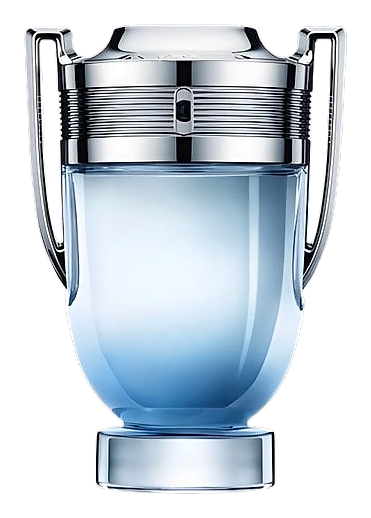
Teahupoo earned its reputation the way most Zara fragrances do: through word of mouth rather than advertising. In the fragrance community, it's frequently compared to Rabanne's Invictus Aqua line, with wearers noting a similarity in the bright, aquatic-dominant profile. That parallel has made it a popular recommendation for anyone who loves the Invictus style but doesn't want to pay designer prices. The comparison tends to come up organically, in forum threads and recommendation lists, where the two are discussed almost interchangeably for fans of clean, marine-heavy scents.