
The Story
Why it exists.
The beginning
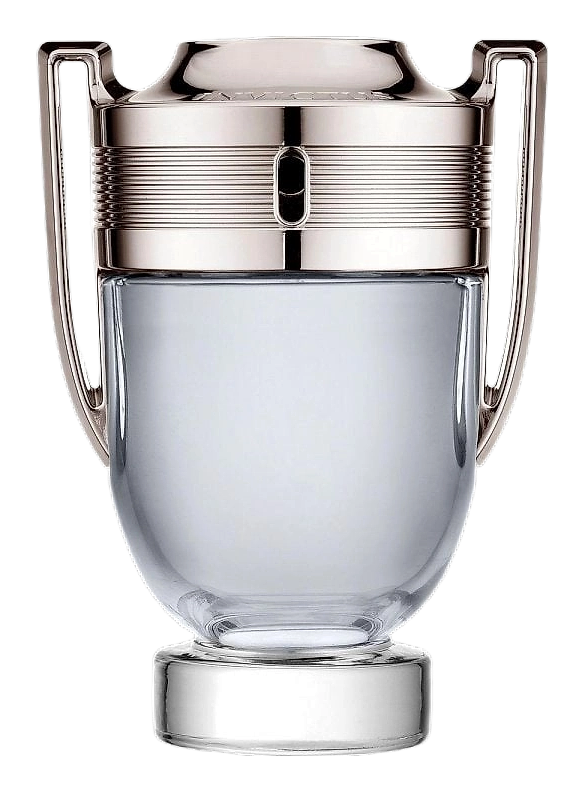
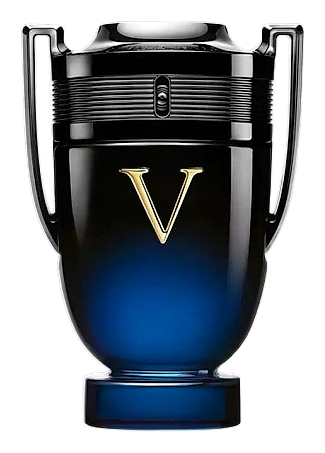
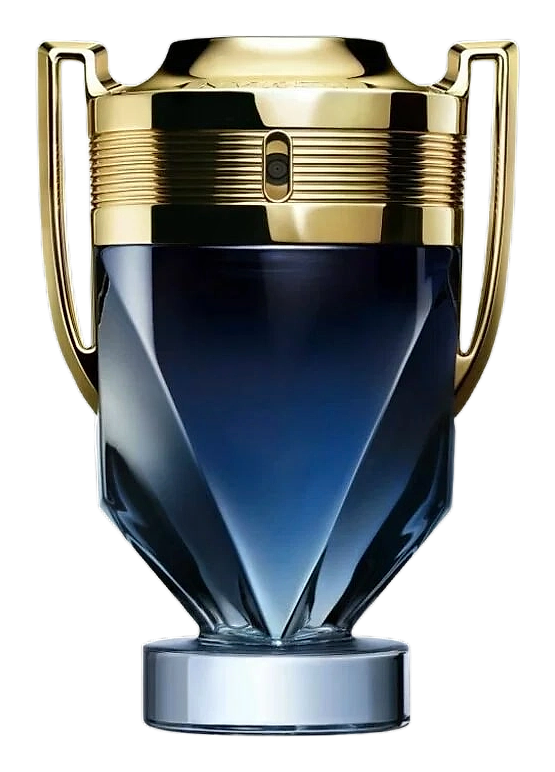
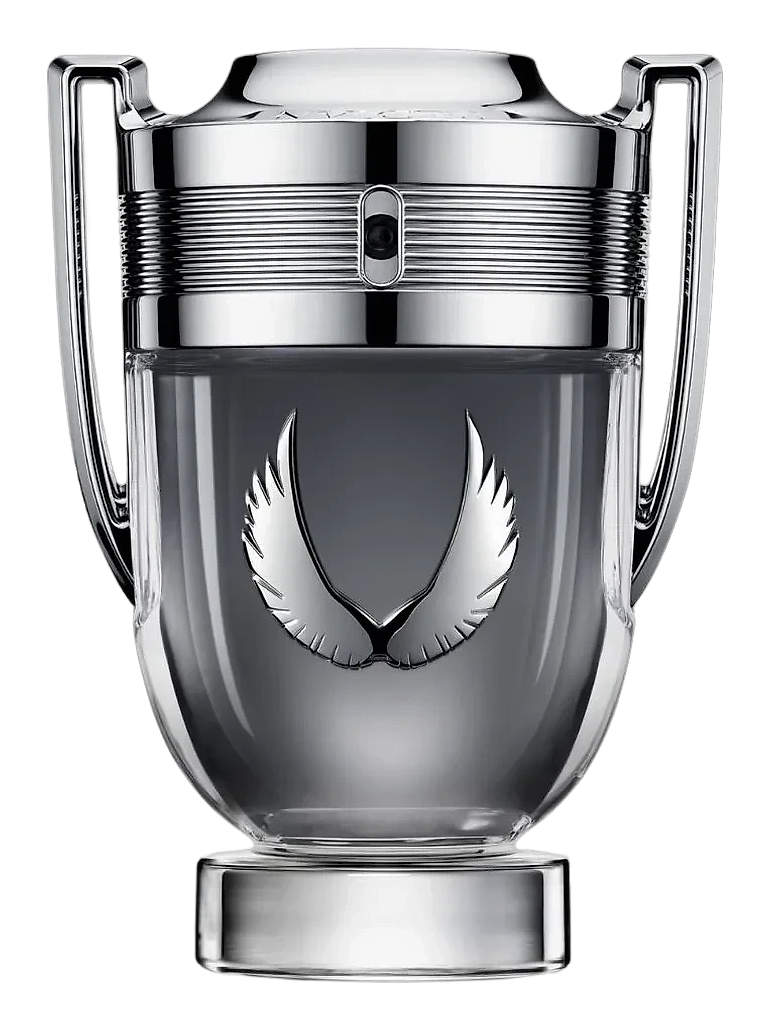
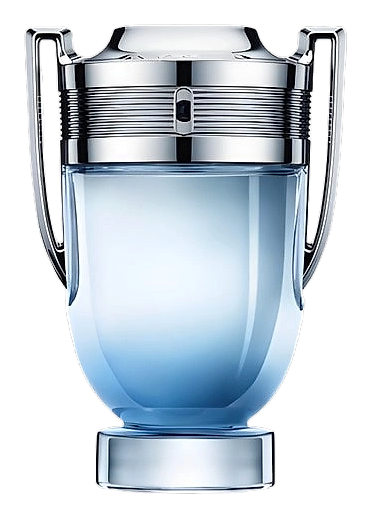
Nicolas Beaulieu and Juliette Karagueuzoglou created Invictus Aqua in 2018 as a deliberate refinement of the aquatic genre. Rather than leaning into aggressive marine accords, they built around a tension: the sharp freshness of grapefruit and violet leaf at the opening, softened by a violet heart that bridges top and middle notes. The goal was something that felt coastal without feeling clinical. Rabanne had already built a recognizable men's fragrance identity through Invictus and 1 Million. This was the house stepping into warmer waters.
The use of violet leaf as a structural element rather than a decorative one is what sets this apart from standard aquatics. In most compositions, violet leaf appears briefly and vanishes. Here, it's woven through the top and heart, giving the marine accord something soft to press against. Palisander rosewood adds warmth that most sea-note constructions skip entirely. And the amberwood base is a deliberate choice for longevity, not just projection. Amberwood is synthetically stable, meaning it stays present on skin long after the citrus and marine notes have retreated. That's the technical bet that separates a 4-hour aquatic from a 7-hour one.
The evolution
The grapefruit opening hits immediately, bright and tart. Violet leaf follows within minutes, green and slightly metallic, cutting the sweetness before it can arrive. The sea salt and rosewood arrive around the 15-minute mark and take over the next two hours, with violet the dominant floral note threading through. By hour three, the marine accord has softened into something closer to ozonic warmth, and the ambergris-amberwood base becomes perceptible. The drydown isn't a dramatic shift. It's a gradual fade from aquatic to skin-warm, with the violet and amberwood holding longest. On fabric, the marine note disappears faster but the amberwood persists into the next morning.
Cultural impact
Invictus Aqua exists in a crowded corner of the fragrance world, where most aquatics lean aggressively marine or settle into safe citrus-water territory. The violet and amberwood additions set it apart from the field. Wearers who typically avoid aquatic fragrances describe it as the version that changed their mind.
The House
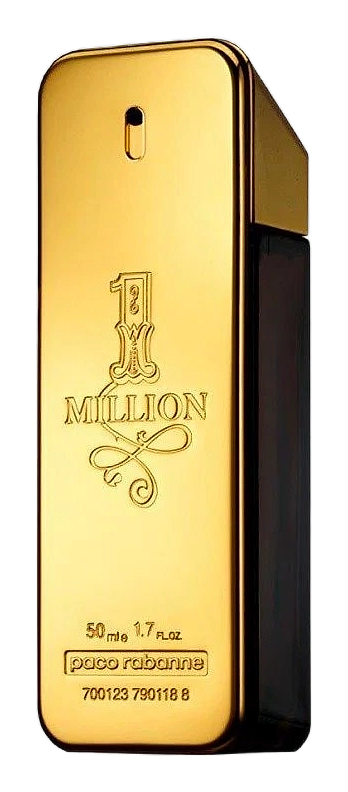
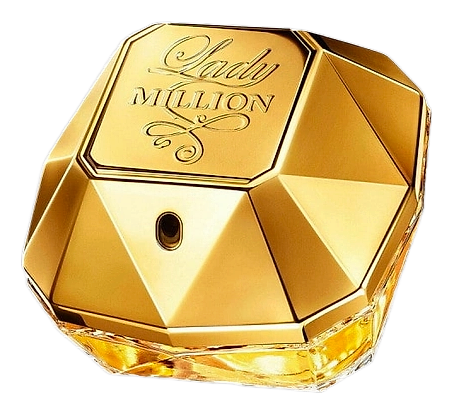
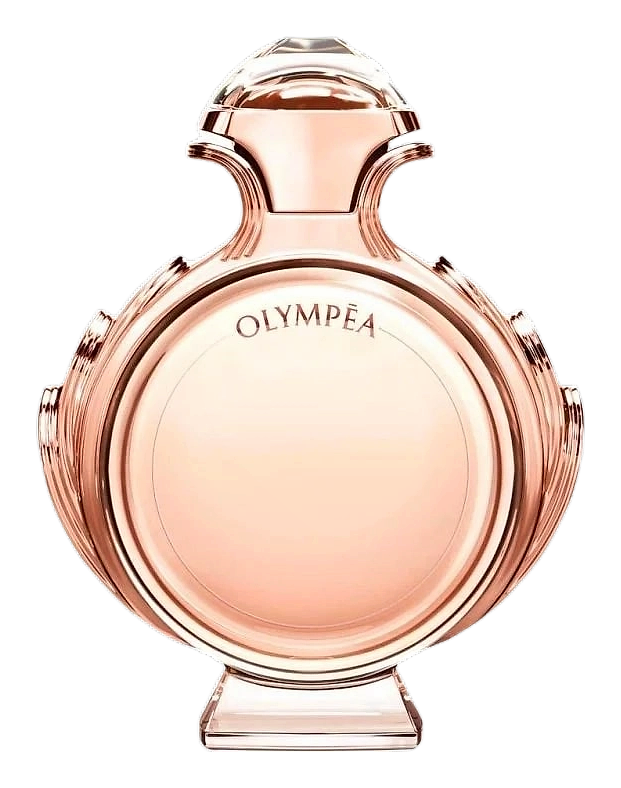
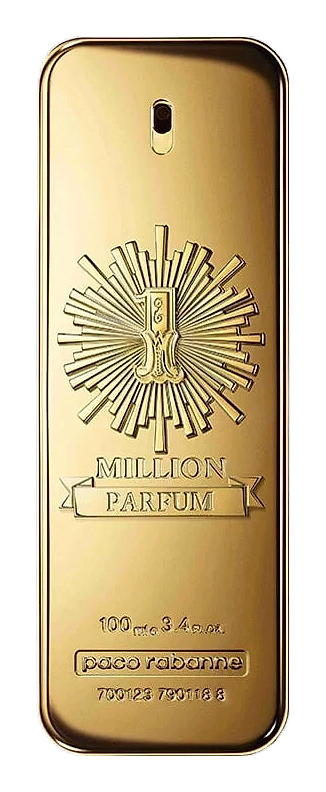
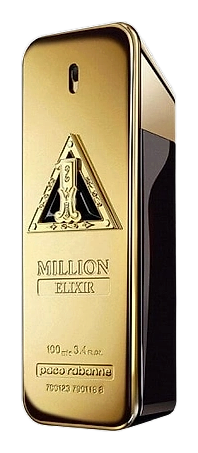
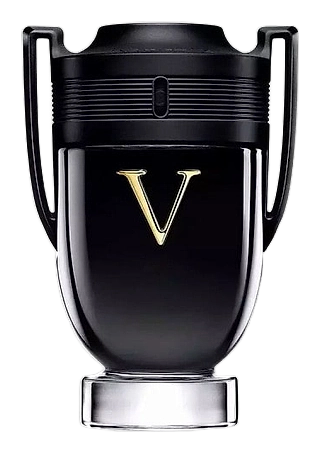
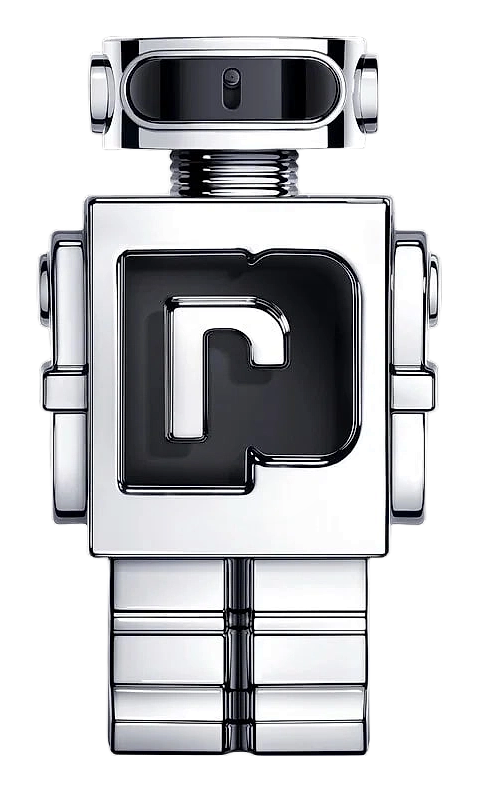
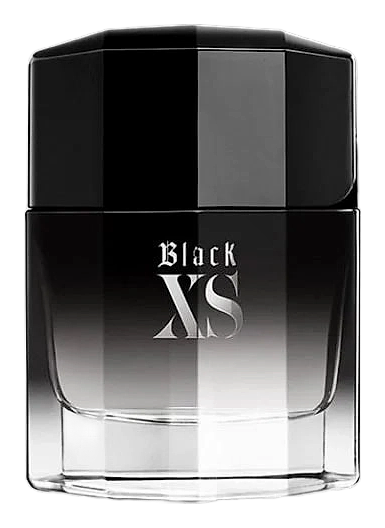
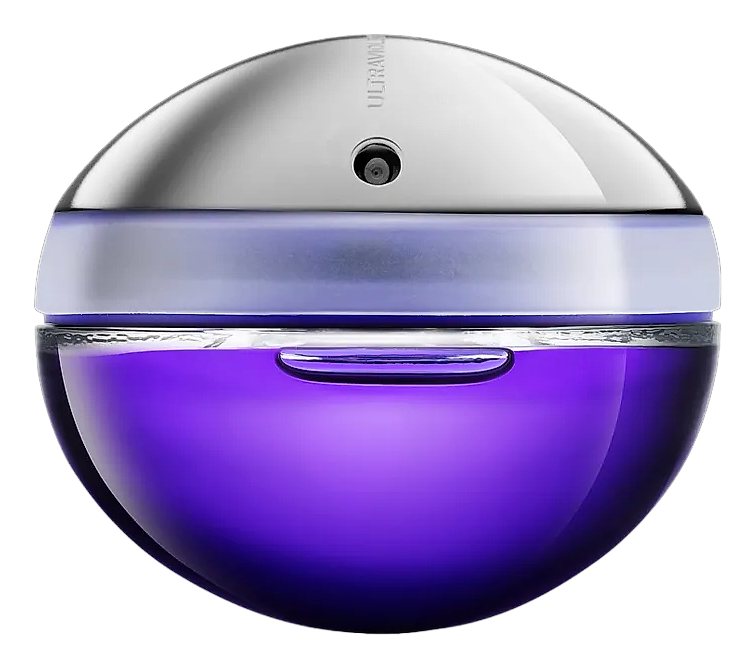
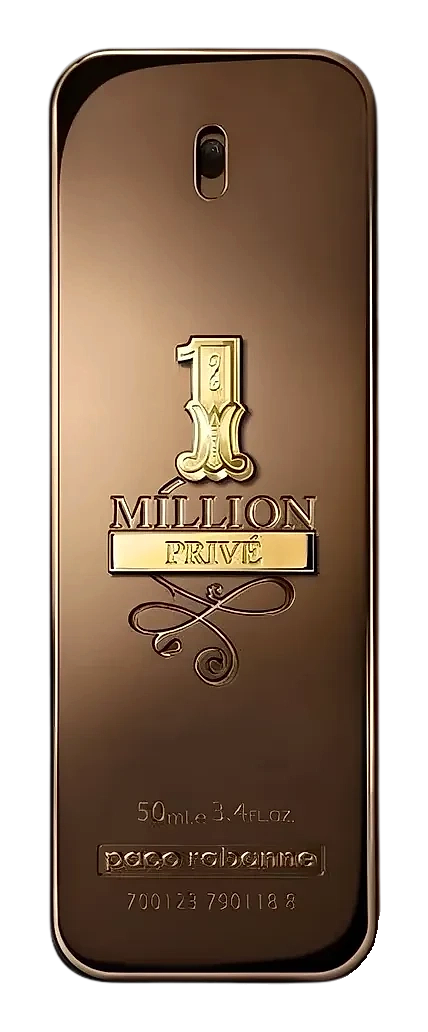
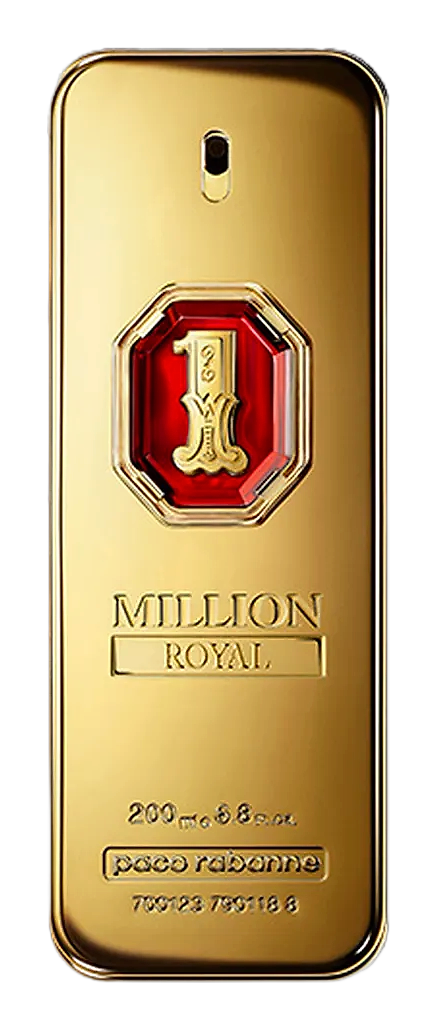
RabanneRabanne is a Paris-based fashion and fragrance house founded by Spanish-born designer Francisco Rabaneda Cuervo, known professionally as Paco Rabanne. The house established itself in perfumery through a partnership with Spanish fragrance company Puig, beginning with the 1969 launch of Calandre. The brand's olfactory identity draws from its fashion heritage: architectural construction, metallic materials, and provocative design language that challenged 1960s fashion conventions. Rabanne built a portfolio of over 85 fragrances spanning multiple decades, from aldehydic florals and aromatic fougeres to orientals and fresh aquatic compositions. The house's gold ingot-shaped bottle for 1 Million (2008) became one of the most recognizable fragrance silhouettes in global retail. Nadia Dhouib was appointed General Manager in April 2022 after serving at Galeries Lafayette, tasked with unifying the brand's fashion and fragrance voices and expanding audience reach. In mid-2023, the house rebranded from Paco Rabanne to simply Rabanne, completing that consolidation.
The Creator
Nicolas BeaulieuBeaulieu's work demonstrates remarkable range, moving fluidly between floral-oriental compositions, modern woody scents, and bold power fragrances. He gravitates toward assertive, memorable trails rather than whisper-soft compositions.