The Story
Why it exists.
The beginning
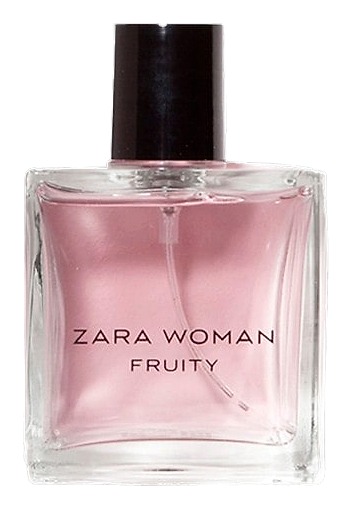
In 1979, Zara entered the fragrance market through a partnership with Spanish fragrance house Puig, bringing the same considered design sensibility that defined their fashion into scent. The Fruity edition is that ethos distilled: modern, accessible, and unapologetically cheerful. Rose and iris meet juicy citrus and soft vanilla, a combination that works without the heritage tax attached.
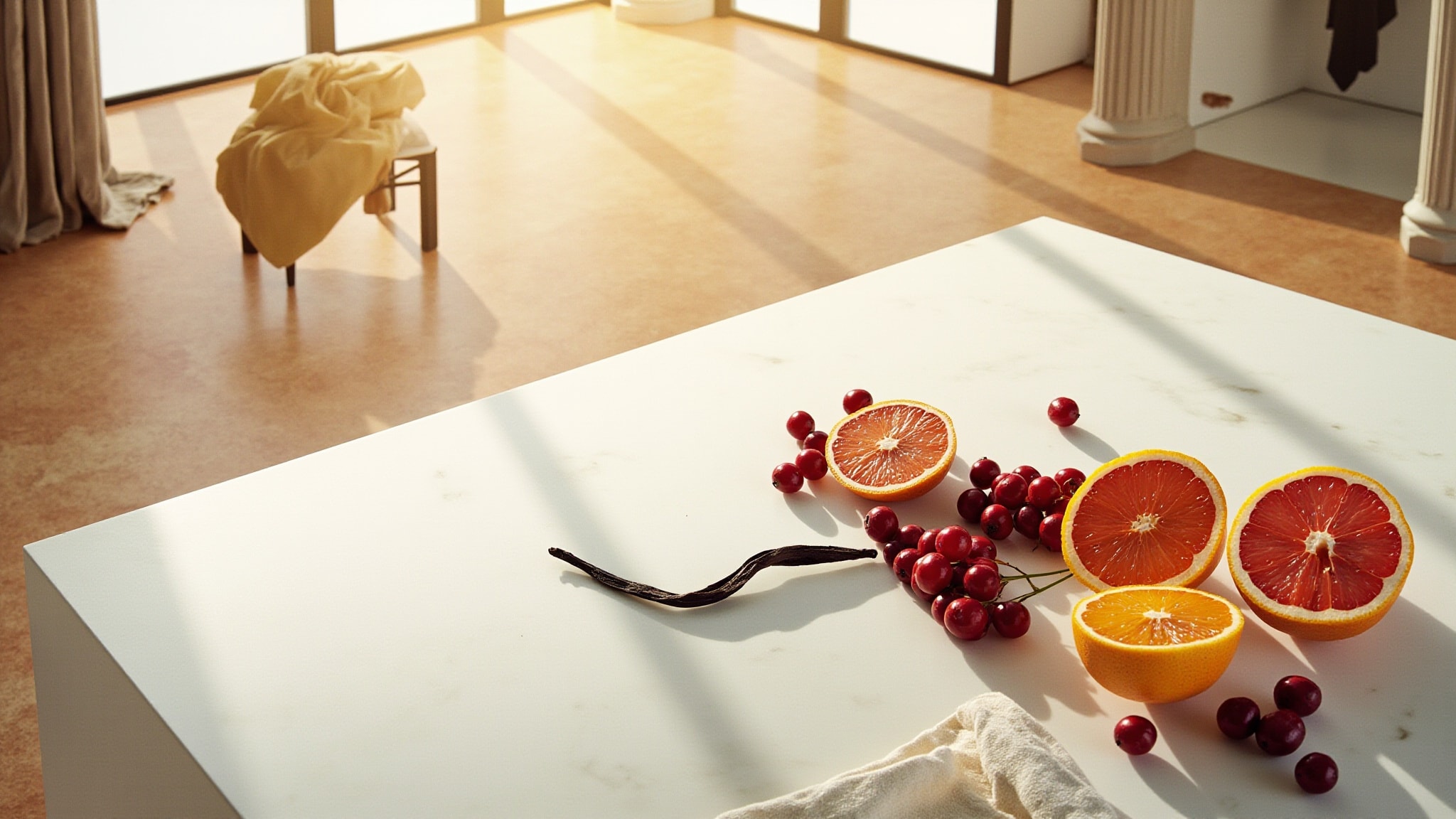
The note structure holds an interesting tension. Bright citrus against powdery warmth, grapefruit and tangerine bring tart, sparkling energy while red currant adds a jammy sweetness underneath. The rose doesn't arrive as a singular bloom; it amplifies the sweetness already present. Lily of the valley and jasmine arrive in the heart with a green, dewy quality that creates a fresh, airy transition, the kind of lift that keeps the florals from tipping into syrup. Vanilla, sandalwood, and amber in the base do the quiet work: warmth that stays close, powdery softness that lingers on fabric long after the initial spray.
The evolution
Testing on skin: the grapefruit and tangerine opening stays bright for about 15 minutes. Then the rose heart takes over, not aggressive, but present. The drydown on fabric holds a ghost of vanilla and sandalwood for nearly a full day. This is a Zara fragrance through and through: modern, unapologetic about its fruit-forward character, and priced to stay that way. The sillage is moderate, projects well in the first hour, then settles closer to the skin for the rest of the day.
Cultural impact
Zara fragrances have carved a distinct space in the market: modern, accessible, and fashion-forward without the exclusivity markup. Fruity fits squarely in that tradition, a cheerful, fruit-forward composition that works without apology. The 90 ml bottle keeps it practical. This approachable ethos has made Zara a go-to for trend-conscious consumers who want designer vibes without the designer price tag.