
The Story
Why it exists.
The beginning
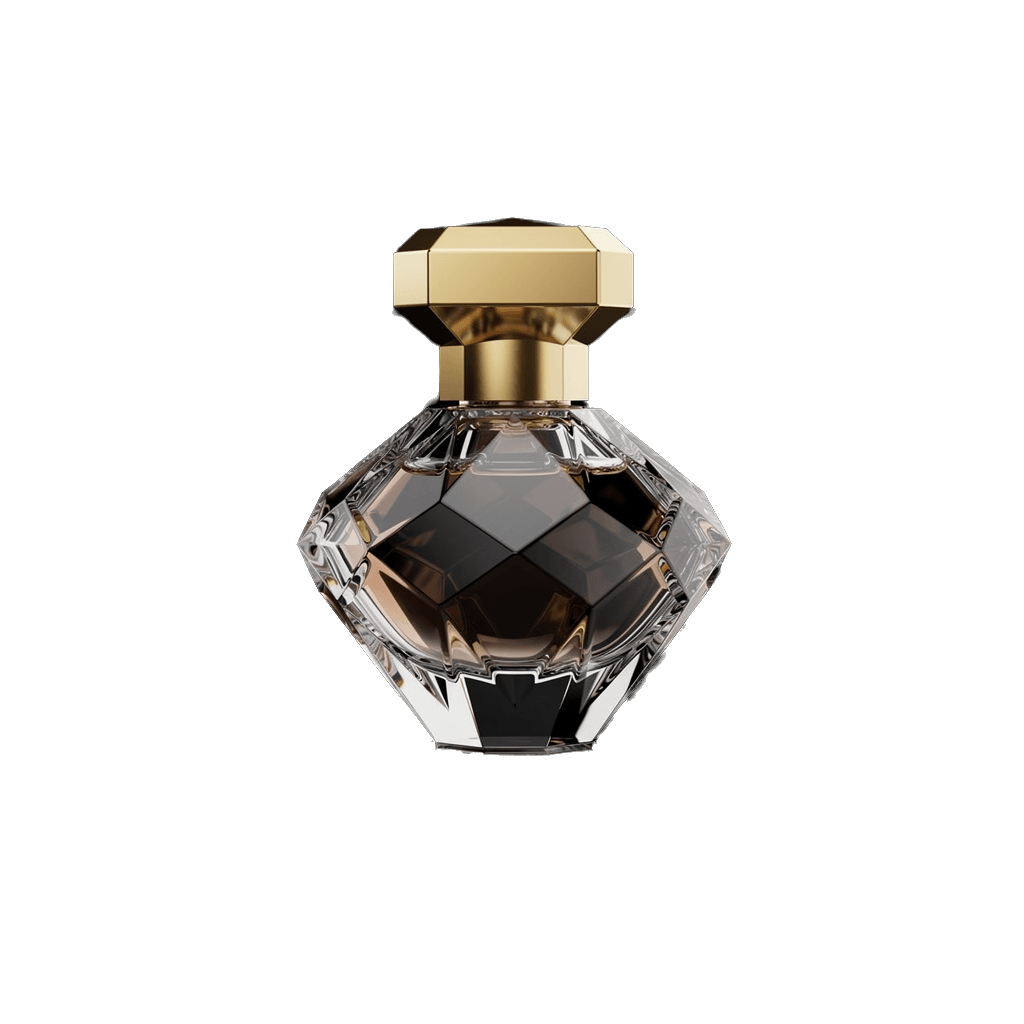
Bluebreath arrived as part of Zara's steady push into the fragrance space, where the retailer has been quietly building a roster of scents aimed at consumers who want something wearable and uncomplicated. The name itself, Bluebreath, suggests two things at once: the cool rush of air after a hard exhale, and a sort of watery, atmospheric blue tone that runs through the bottle's overall design language. The fragrance sits firmly in the fresh category, opening with a generous burst of grapefruit and pomelo that reads bright and juicy from the very first spray, the kind of citrus profile that feels almost thirst-quenching on warm skin.
The grapefruit-led profile places Bluebreath in a familiar lane of fresh, citrus-driven scents that have held steady appeal across mainstream fragrance for years, relying on the bright tartness of grapefruit and pomelo as the central character, then softening the edges with a touch of jasmine at the heart before grounding everything in an earthy vetiver base. The formula is not attempting to invent a new olfactory category or chase a trend that already exists elsewhere; it is offering a straightforward, easy-to-wear take on a structure that simply works.
The evolution
Since its release, Bluebreath has carved out a quiet reputation as a reliable everyday scent in the budget fragrance community. It does not trend on social media the way some sweeter, more aggressive designer launches do, and that low-key profile has actually helped it age well. The grapefruit top note announces itself with a juicy, mouth-watering sharpness that feels almost edible, and over the first few minutes that brightness gradually mellows into something softer and rounder, losing none of its charm in the transition. As the hours pass, the jasmine at the heart makes a subtle appearance, lending a faint sweetness that keeps the citrus from ever feeling sharp or abrasive, while the vetiver in the base slowly grounds the composition with a clean, earthy warmth.
Cultural impact
Bluebreath fits into a wider cultural moment where fast fashion brands have started releasing fragrances that look and smell like they should cost significantly more than they do. For younger consumers who came of age discovering scent through online communities and social platforms rather than traditional department store counters, these accessible launches have shifted expectations around what an affordable bottle can actually deliver.