The Story
Why it exists.
The beginning
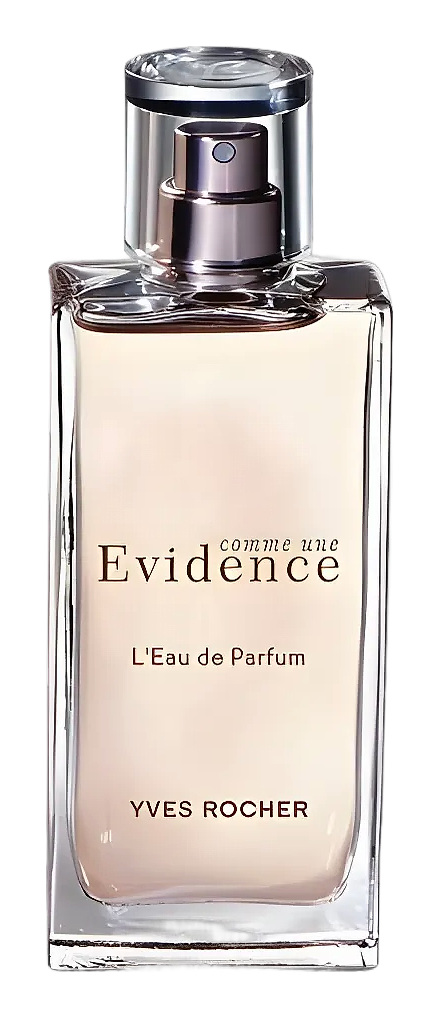
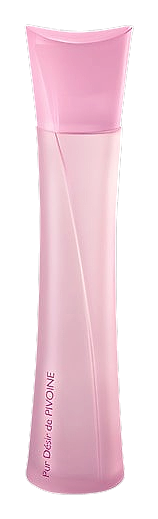
Pur Désir de Pivoine arrived in 2005 as part of Yves Rocher's botanical fragrance line, a house built on plant-based formulations rooted in the gardens of Brittany. The name translates roughly to 'Desire for Peony,' and the brief was simple: capture the peony in its most direct form. Not a fantasy of peony, the flower itself, green stems and all. The perfumer worked with the brand's existing botanical framework, drawing on the same plant-focused sensibility that had defined Yves Rocher since its teenage founder began selling face cream door-to-door in 1959. Peony, in this context, wasn't just a note. It was an idea: the garden as a place of uncomplicated beauty.
What makes this composition interesting isn't complexity, it's restraint. Pur Désir de Pivoine is a soliflore, a fragrance built around a single bloom. Peony is the entirety of the pyramid, front and center, from first spray to final fade. There's no supporting cast of sandalwood or musk to deepen it, no contrasting accords to create tension. The result is a fragrance that smells exactly like what it is: a garden peony, realistic and unadorned. Some fragrance lovers find this approach refreshing in an era of overcomplicated compositions. Others wish for more. Both reactions are valid.
The evolution
Peony opens. That's the entire story, really. The first moments deliver that immediate impression of a fresh-cut bloom, petals full, stems still wet, the green-tinged sweetness that makes garden peonies different from their bottled approximations. There's no dramatic top-note introduction, no slow reveal. It arrives already itself. The heart phase carries the same character. The peony stays linear, sweet and clean, deepening slightly into its floral sweetness without transforming. Some wearers describe this as a lack of evolution. Others find it a kind of honesty, the fragrance never pretends to be anything other than what it is. The drydown settles quieter. The peony becomes intimate, close to the skin, softened by whatever trace elements remain after the main accord fades. What lingers is that essential garden quality, not the peony of a perfumer's imagination, but the peony of a morning border. Four to six hours on most skin, moderate sillage, present without announcing itself.
Cultural impact
Pur Désir de Pivoine occupied a specific niche: the accessible botanical soliflore. At a time when fragrance houses competed on complexity and projection, this 2005 release offered something simpler, a garden moment in a bottle, available at mainstream retail prices. The discontinuation only increased its appeal among collectors seeking the brand's most literal botanical expression.