The Story
Why it exists.
The beginning
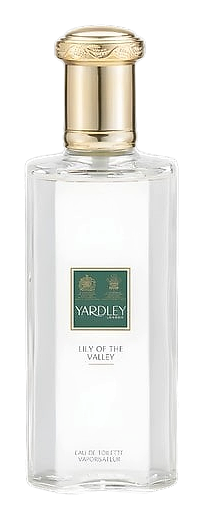
Yardley launched Lily of the Valley in 1920, a decade before the flower became one of perfumery's most coveted notes. The inspiration was straightforward: a beloved English garden bloom, the kind that carpets woodland floors in May. The timing mattered. Yardley had spent decades building its reputation on botanical fragrances rooted in British tradition, from hand-crafted soaps to colognes and scented powders. By 1920, the house had the expertise to attempt something that felt fresh without feeling foreign. The perfumer's task was to translate that spring morning into a wearable composition.
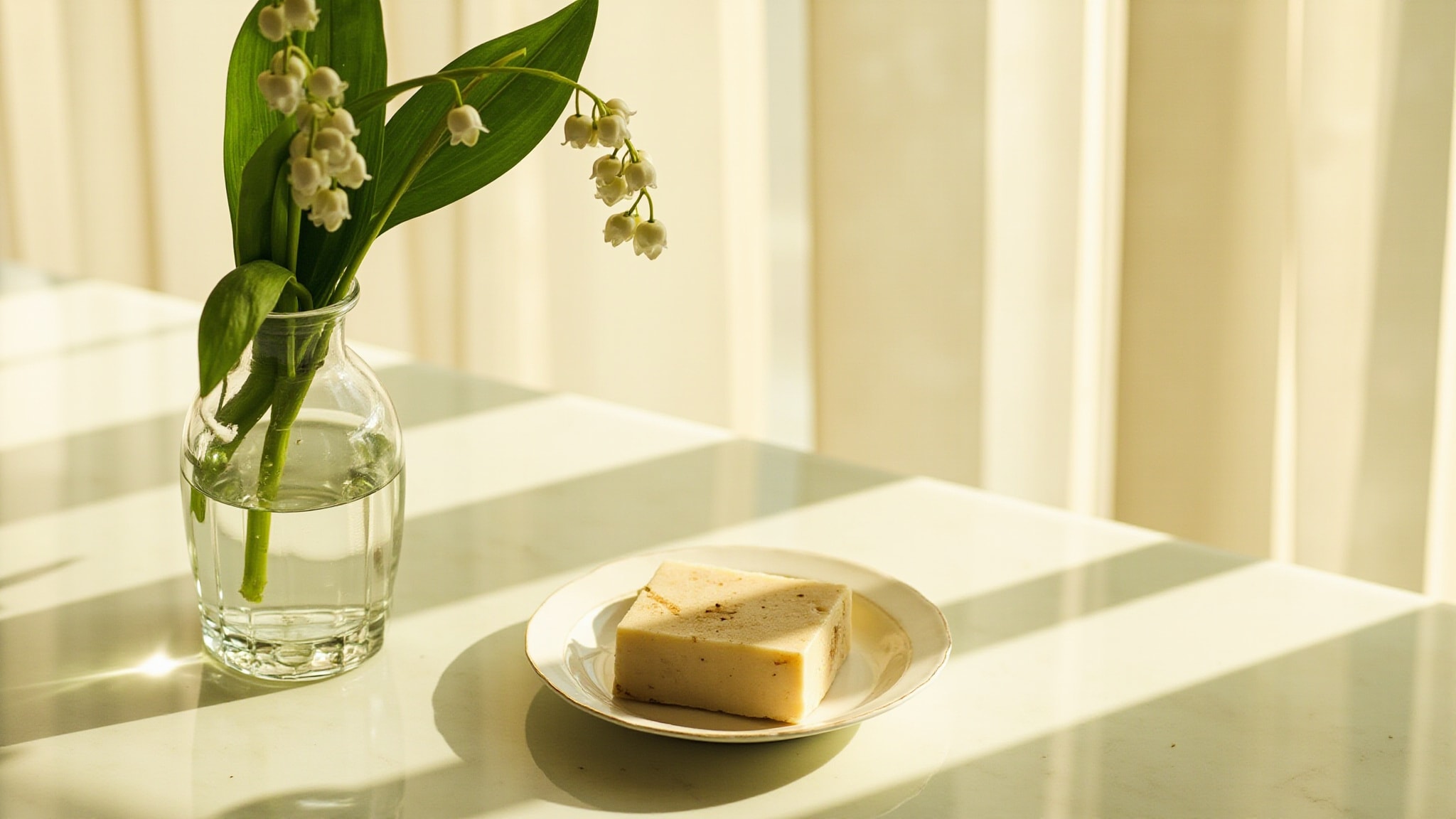
What makes this structure interesting is the role of lily of the valley itself. The flower doesn't yield its scent through conventional extraction methods, which means working with it requires either reconstituted molecules or a carefully crafted simulation. The perfumer behind this 1920 composition chose the latter path, building around a green, dewy character that reads as the flower without relying on it directly. The result is a formula that captures something essential: the way lily of the valley smells in a garden rather than the way it smells in a bottle. This technical approach was sophisticated for the era, and it shows in the composition's balance.
The evolution
The opening hits bright and sparkling. Bergamot and lime arrive first, cutting through like morning air. The citrus doesn't dominate for long. Within fifteen minutes, the green notes arrive, fresh and aromatic, shifting the character from fruity to garden-fresh. The handoff feels deliberate, like the moment the sun clears the treeline. Once the heart takes over, the white florals bloom fully. Lily of the valley leads, but jasmine, gardenia, and magnolia build around it in a chorus that's lush without tipping into sweetness. The green character persists, keeping the florals dewy and slightly creamy. This is the heart of the fragrance, and it lasts for hours. The drydown softens everything. Musk and amber arrive quietly, framing the white florals as they fade into something powdery and intimate. The woody notes add structure without weight. Lily of the Valley lingers close to the skin, warm and refined, a quiet finish to a composed fragrance.