
The Story
Why it exists.
The beginning
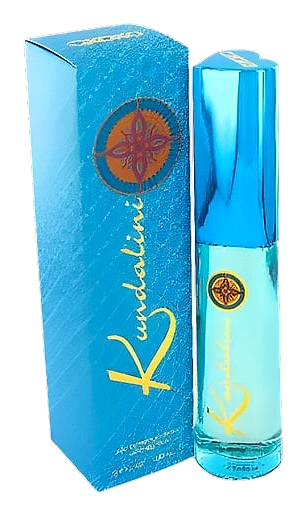
Kundalini takes its name from Sanskrit, the coiled serpent of dormant energy said to rise through the spine during meditation. It's a concept about hidden warmth becoming visible, and that's exactly what XOXO built here. Where most XOXO fragrances favor accessible florals and easy citrus, Kundalini leans into something more elemental: incense, spice, and powder that reads as spiritual rather than sweet. Released in 2006, it was the house stepping outside its own playbook, betting that American wearers might want something with a little more mystery in their rotation. The gamble was quiet. The fragrance is anything but.
What makes Kundalini work is the powder-spice axis. Iris carries its dry, violet-root bitterness into a composition that could have been dominated by warm spice. Instead, the two negotiate. The iris doesn't tame the spice, it dusts it, keeping everything intimate rather than overwhelming. It's an unusual move for a mass-market American release in 2006, when sweet florals and clean citruses dominated the department store landscape. The myrrh in the base is the real tell: it brings that slightly animalic, spiritual-store quality that incense lovers crave without ever crossing into "hippie van" territory.
The evolution
The opening lasts maybe fifteen minutes, bergamot brightness, a flash of orange blossom, then the spices arrive and don't wait politely. Cinnamon. Cardamom. Something that prickles without burning. The iris shows up within the half hour, and that's when the fragrance pivots from "interesting opening" to "this is going somewhere." The rose and jasmine in the heart don't fight the iris; they soften it, letting the powder become the dominant texture. By hour three, the florals have mostly left the building. What remains is myrrh and vanilla, warm resin clinging to skin, the kind of drydown that only exists if you're close enough to be invited. Six hours in, the vanilla and musk hold the fort. Eight hours, and there's still something there: a skin-warm whisper of incense, faint but unmistakable. On fabric, the myrrh lasts longest. On skin, the vanilla takes over. Either way, this is a fragrance that earns its name, it rises slowly, stays quiet, and surprises you when you think it's gone.
Cultural impact
Kundalini found its people: bohemian women, incense lovers, anyone who walked into a new-age shop and thought "I want to smell like this." The combination of powdery iris, warm spice, and myrrh placed it somewhere between niche and mass market, too interesting for the mainstream, too wearable for true perfumistas. It never achieved blockbuster status, but those who found it tended to hold on. The fragrance has since been discontinued, which has only deepened its cult appeal among those who remember it from department store counters circa 2006.