
The Story
Why it exists.
The beginning
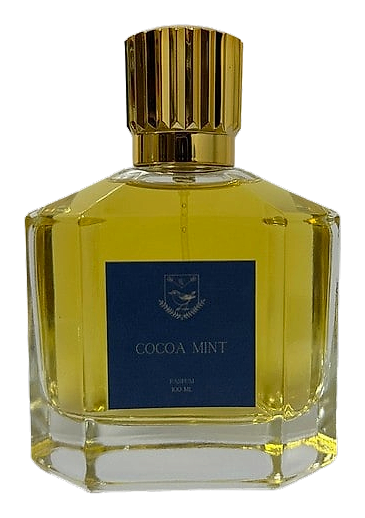
Renato Lopena Jr. noticed something: mint chocolate gets dismissed as a gimmick. A novelty. A candy aisle moment that doesn't belong in perfumery. He disagreed. Cocoa Mint is his case for the defense, a fragrance built around the combination that street vendors in the Philippines have been getting right for generations, where mint candies studded with chocolate have always been a quiet street ritual. The idea was simple: treat the pairing with the same seriousness as any fine fragrance. Let it breathe. Let it last.
What makes Cocoa Mint unusual is the costus, a note that has almost vanished from modern perfumery. It brings a soft animal warmth that no synthetic can replicate. In the base, it sits alongside sandalwood and musk, adding depth without heaviness. The iris does something clever in the heart: it makes the chocolate feel like a memory rather than a dessert. Powdery, almost dusty, it turns confection into nostalgia. This is mint chocolate elevated past the wrapper.
The evolution
The opening is immediate and clean, mint without the chill, just the crispness. Within minutes the chocolate arrives, dark and slightly bitter, nothing like dessert. The geranium brings a green-floral edge that keeps the chocolate from becoming too heavy. Then the iris softens everything, powdering the composition like dust on a shelf of old books. The drydown is where costus earns its place, a warm, almost skin-like quality that makes vanilla and sandalwood feel less like a base and more like an extension of you. On fabric, it lingers into the next day. On skin, expect 4-6 hours before it fades to a quiet whisper.
Cultural impact
Cocoa Mint occupies an unusual space in contemporary perfumery, the mint-chocolate combination is familiar enough to be approachable, but treated with enough seriousness to intrigue collectors. For Wren Atelier, it represents the brand's willingness to find perfume in everyday moments that others overlook. The Filipino street vendor reference grounds it in a specific cultural context while keeping the appeal universal.