Renato Lopena Jr.
Renato Lopena Jr. carries the kind of origin story that makes the fragrance world lean in. Born in the Philippines, he became the first Filipino student admitted to the Grasse Institute of Perfumery, graduating in 2015. The South of France taught him the classical foundations of scent creation, but his Filipino roots gave him something harder to replicate: an outsider's perspective on a centuries-old European craft. After graduation, he built his early career working with Whiff, a local brand with celebrity collaborations, where he learned to balance artistic vision with market demands. Today, he runs Wren Atelier, his own fragrance house, while maintaining a devoted following on social media as @thefilipinonose, where he demystifies perfumery for thousands. His path from Manila to Grasse to his own atelier reads like a blueprint for how a new generation of perfumers claims space in an industry long dominated by Western dynasties.
The hits
Notable creations

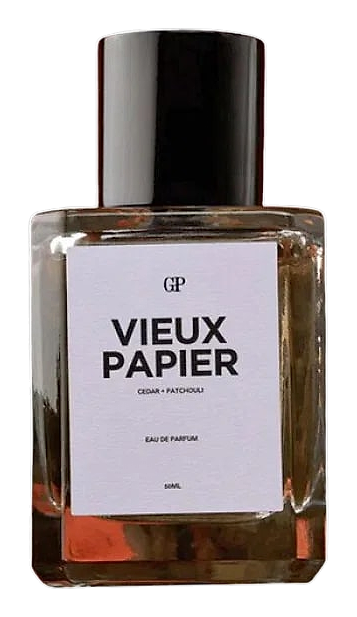









The signature
How Renato composes
Lopena's style reflects his dual training. The Grasse education gave him classical structure and technical discipline, while his work as an aromatherapist added a functional, sensory dimension to his approach. He thinks about fragrance not just as artistic expression but as something that affects mood and wellbeing. His style tends toward clarity over complexity, favoring transparent compositions where individual materials speak rather than blur together. He gravitates toward materials with therapeutic resonance, whether that means citrus brightness, grounding woods, or aromatic herbs. The result feels modern and approachable without sacrificing sophistication.
Philosophy
What drives Renato
What drives Renato Lopena Jr. is clarity. He has built much of his public presence around debunking fragrance myths, addressing what actually works versus what the industry perpetuates as lore. Rather than leaning into exclusivity or mystification, he educates. His aromatherapy background grounds him here, reminding him that scent serves human needs beyond aesthetics. He believes fragrance knowledge should be accessible, not gatekept. This philosophy shapes how he creates: functional, honest, and grounded in how people actually experience scent rather than how they imagine they should.
The houses