The Story
Why it exists.
The beginning
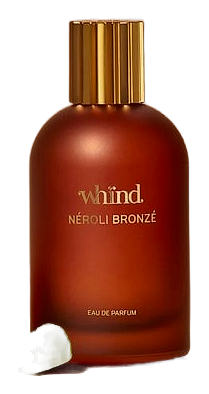
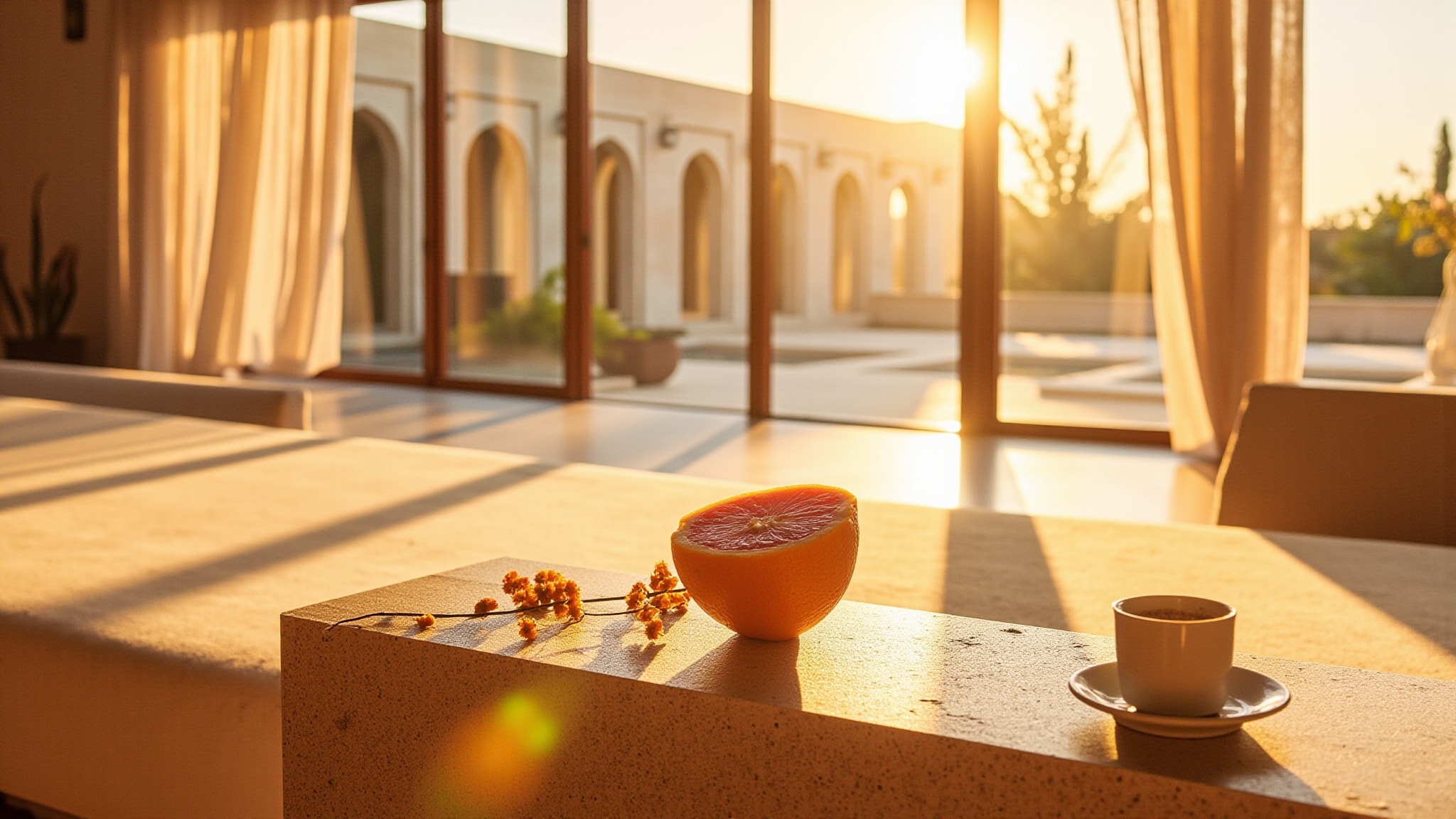
Néroli Bronzé began as a tribute to a specific place and a specific hour. The brand drew inspiration from the Menara gardens of Morocco, where the orange tree holds a kind of quiet authority, and the golden hour light that settles over North Africa as the day tips toward evening. Perfumer Jérôme Epinette translated that sensory memory into a composition designed to bottle the warmth of sunset without losing the bite of morning. The result: a neroli that doesn't whisper, it leans in. Launched in 2023, it signaled a clear creative intention, which was to treat scent as an emotional event rather than a pleasant accessory. The brief was simple and hard: make orange blossom feel alive, not decorative.
What makes Néroli Bronzé structurally interesting is how it treats neroli as a supporting player rather than the headline. Here, grapefruit and African cardamom arrive first, adding a green-tart counterpoint that keeps the neroli from collapsing into cologne territory. Moroccan neroli and orange blossom then build the floral heart, but the lavender threading through prevents it from going purely feminine or purely soapy. Crystal amber and blonde woods in the base add warmth without weight, which is the harder trick.
The evolution
The first thirty minutes belong entirely to citrus. Grapefruit and orange peel hit sharp and bright, almost like the zest just landed on skin, with cardamom buzzing underneath like a low electrical current. Then something shifts. The neroli arrives, not as a whisper but as a wave, and it brings orange blossom with it, that honeyed almost-narcotic sweetness that orange blossom does when it's unfiltered. Lavender sits at the edges, pulling the composition toward something cleaner, more aromatic. For the next two to three hours, you're in the floral heart, warm but not heavy, complex but not loud. The musk and blonde woods emerge quietly. Crystal amber adds a golden glow that feels more atmospheric than literal. The drydown is soft, creamy, and skin-close, lasting another two to three hours. What lingers most is a warm, slightly powdery trail, more memory than statement. On fabric the next morning, it reads as soft florals and faded citrus. The whole arc stays daytime, stays golden. It never goes dark, never goes nocturnal. You wear it and you stay in the light.
Cultural impact
Néroli Bronzé sits in an interesting space: it's accessible enough for someone new to niche fragrance to wear without intimidation, but distinctive enough that neroli lovers will notice the cardamom twist and the way the composition avoids traditional cologne tropes. The golden-hour positioning gives it a specific mood that's easy to place, whether that's a late-spring afternoon or a rooftop dinner that started too early. It doesn't try to outmuscle the heavier, denser neroli compositions on the market, but it doesn't need to. This is the neroli you reach for when you want to feel lit from within.
The House
Whindwhind is a fragrance house that emerged from a skincare brand founded in 2021 by Hind Sebti, a beauty industry executive with more than two decades of experience at global beauty companies. The brand draws from Sebti's Moroccan heritage, translating personal memories and sensory experiences into wearable fragrances. After establishing itself in the science-fueled skincare space, whind expanded into fine fragrances in 2023 with a collection designed to capture emotional narratives rather than simply smelling pleasant. The brand works with established perfumers including Jerome Epinette, bringing professional perfumery expertise to its olfactory storytelling approach. Each fragrance functions as a chapter in a larger sensory world the brand is building, inviting wearers to explore scent as a form of personal expression.
The Creator
Jérôme EpinetteEpinette's style can be described as modern and sophisticated, with a focus on natural ingredients and clean lines. He has a knack for creating fragrances that are both wearable and interesting, often incorporating unexpected elements to add depth and complexity.