The Story
Why it exists.
The beginning
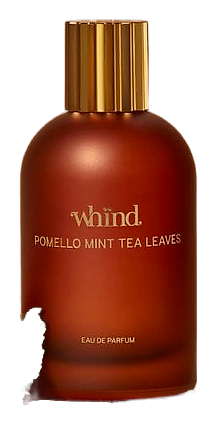
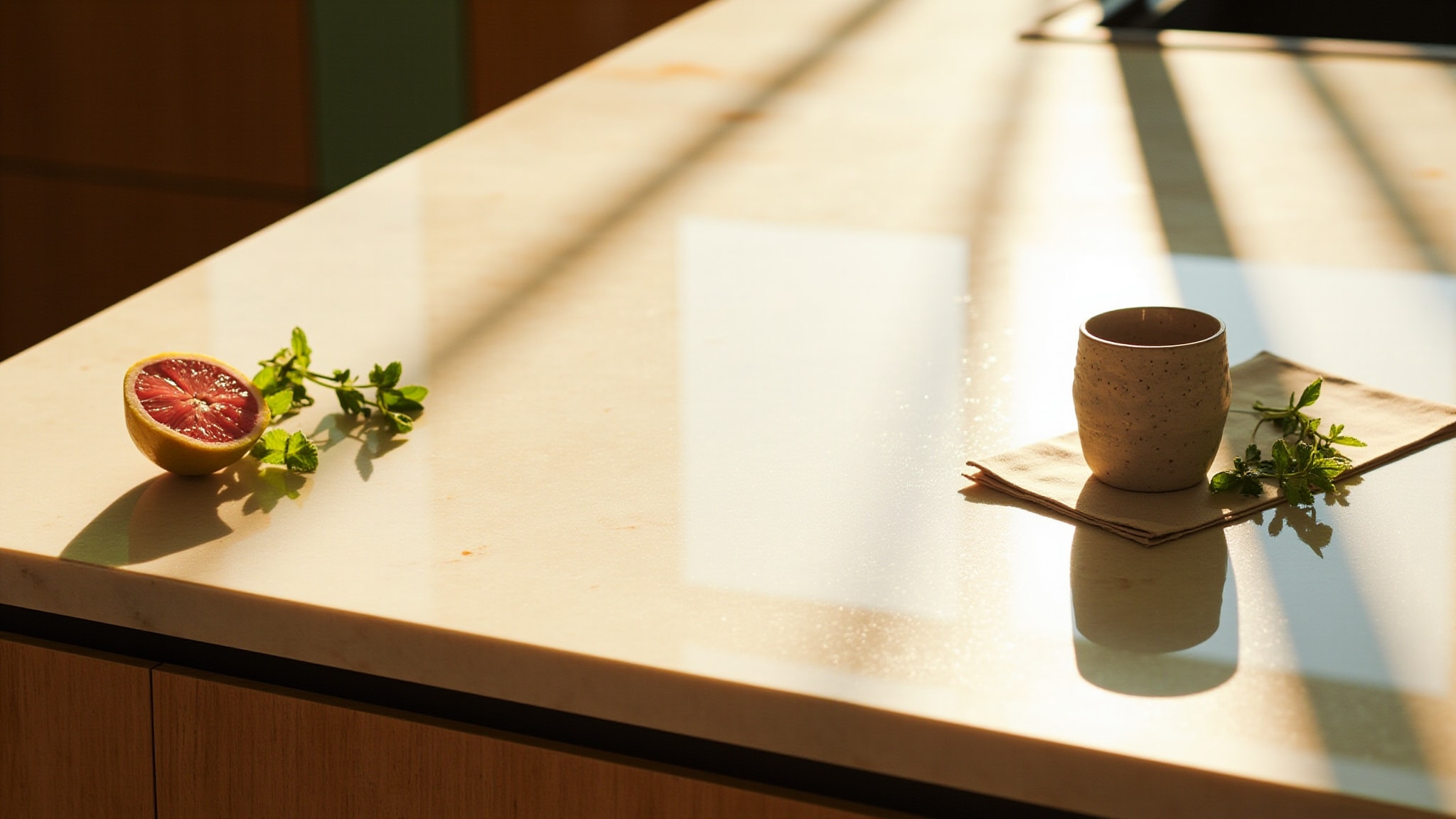
The name says everything: pomelo, mint, tea, leaves, nothing hidden. The Moroccan mint feels native rather than added, the kind that grows from the same terroir as the brand itself. The citrus opens bright and juicy, while the tea brings a bitter, tannic quality that balances against it. The interplay between sweet and dry keeps the composition from leaning too far in any direction. Brown sugar sweetens without sweetening too much. The result is a fragrance that smells like what it promises, without pretending that promise is poetry.
The structural problem with mint in fragrance is that it wants to dominate. Cool where everything else is warm, sharp where everything else is soft. The mint in this composition has a syrupy, honeyed quality that reads as natural alongside the brown sugar rather than against it. The papyrus adds an unexpected dry, papery, slightly smoky element that keeps the sweetness honest. This is where the sophistication lives: in contradictions that don't resolve into sameness.
The evolution
The opening is a burst of citrus sparkle, pomelo leading, mint and eucalyptus building underneath. Fresh, almost sparkling, with a sophistication that doesn't try too hard. As time passes, the black tea makes itself known, not aggressive, but tannic, slightly bitter, undeniably present. The mint doesn't disappear. It softens, becomes the warmth underneath. The citrus gradually retreats, the mint recedes into the background, and the base emerges: cedarwood dry and papyrus quiet, with brown sugar warmth that lingers close to the skin. The drydown is intimate and close to the skin.
Cultural impact
Whind's entry into fine fragrance with Pomello Mint Tea Leaves offers a fresh perspective on mint-based compositions. The fragrance brings together citrus, mint, and tea notes in a way that feels both sophisticated and approachable. This scent sits at the intersection of freshness and depth, combining bright top notes with richer base elements. It presents a modern take on these classic materials, showing how they can work together harmoniously rather than competing for attention.