The Story
Why it exists.
The beginning
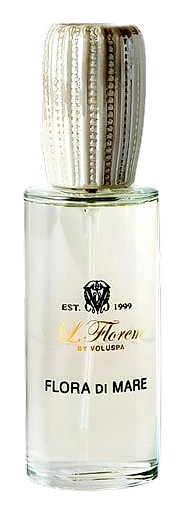
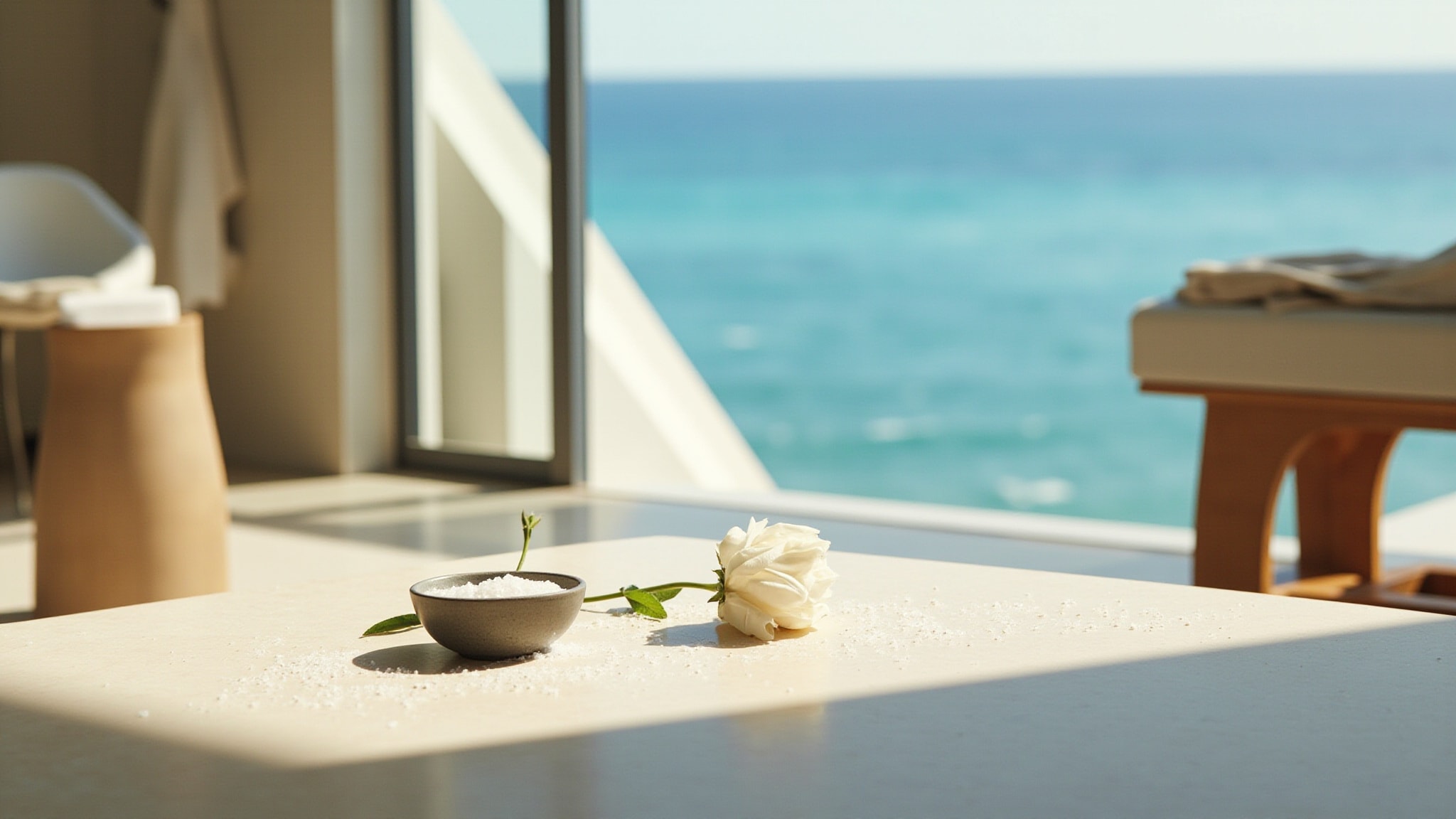
Flora de Mare joined the Voluspa collection as a personal fragrance, one of several compositions the house has built around globally sourced ingredients. The Latin roots do the heavy lifting. Flora, flower. Mare, sea. Petals caught in the tide, not floating above it. Voluspa approaches aquatic perfumery with the same sense of atmosphere they bring to their candles, treating fragrance as a setting for a specific moment rather than a statement. The salt note opens cool and mineral, almost metallic, the way air smells when wind comes off open water. Tuberose pushes through that initial chill with dense, waxy sweetness, the kind white florals get when they're grown somewhere hot. Freesia and gardenia soften the edges, bring cream to the bouquet, keep the petals from turning powdery.
What makes Flora de Mare worth your attention is the collision at its center. Tuberose is heavy, creamy, almost narcotic in the way white florals get when the sun hits them. Sea salt does the opposite. It thins, cools, pulls everything toward the mineral. Together they create a tension that neither note could carry alone. The agave grounds the base with green, slightly bitter sweetness that keeps the florals from drifting into syrup. The moss underneath adds cool dampness, the kind that settles on stone after tide goes out.
The evolution
The opening belongs to the sea. Cool, almost metallic, the way air smells when wind comes off open water. It reads clean in a way that's bracing rather than clinical. Then the florals arrive, and they don't tiptoe. Tuberose pushes forward with that dense, waxy sweetness white florals get when they're grown somewhere hot. Freesia and gardenia soften the edges, bring some cream, keep the bouquet from going heavy. The middle stretch is where Flora de Mare finds its sweet spot, floral and briny at the same time, the salt preventing the petals from turning powdery. The agave eventually pulls weight, bringing a green, slightly vegetal character that cuts through the white-floral cream. The moss underneath grounds everything, damp and cool, a quiet shadow beneath the brighter notes. What's left on skin is mostly the base, salt residue, moss, that faint agave bitterness. Close. Intimate.
Cultural impact
Flora de Mare sits in a small category of marine florals that lean salt over sugar. Where many aquatic compositions lean tropical or gourmand, this one pulls toward tuberose and agave instead, which gives it a stranger, less beachy character. The tuberose carries the weight, dense and creamy, while the salt keeps everything lifted and cool. The agave in the base adds green bitterness that grounds the bouquet, and the moss underneath brings damp quiet.