The Story
Why it exists.
The beginning
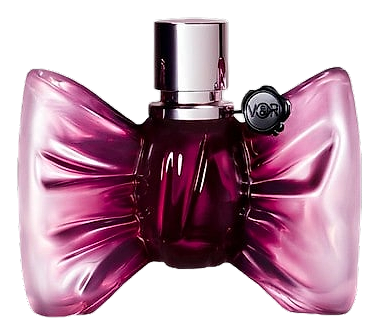
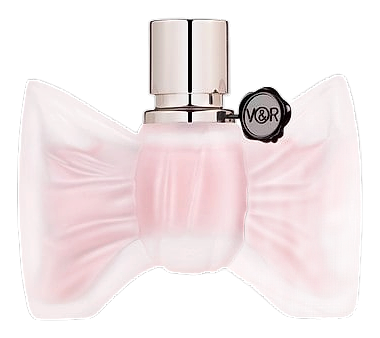
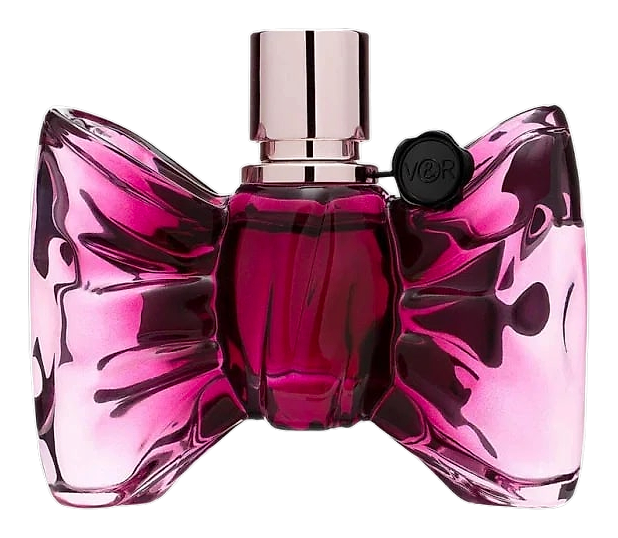
Bonbon arrived in 2014 as Viktor & Rolf's love letter to unapologetic pleasure. The perfumers were tasked with a question at the heart of the composition: what does pure indulgence smell like? The answer was a gourmand floral built around caramel, the note that gives the fragrance its name. Bonbon, the French word for candy, anchors the entire concept in a single syllable. It signals sweetness that knows exactly what it is, confident and declarative rather than apologetic. The bottle itself, crafted by Pochet du Courval, extends the brief into a tactile object. Each angle catches light with the clarity of cut glass, the geometry designed to hold attention the way a perfectly wrapped sweet does when spotted across a shop counter.
What makes Bonbon structurally interesting is the tension between its fruit and its sugar. Peach and mandarin arrive bright and almost sharp, the citrus acidity cutting through before the caramel has a chance to take over. The caramel itself sits in the heart rather than the base, occupying the middle of the composition where most fragrances place their florals. Here, the sweetness is the middle act, flanked by floral orange blossom and jasmine above and grounded by sandalwood and cedar below. The result reads less like a dessert and more like a confection lifted by air.
The evolution
The first ten minutes belong to fruit. Peach arrives first, soft and sun-warmed, joined quickly by mandarin orange that adds a sharp, almost candied brightness. Orange rounds out the opening with a zestier edge that keeps things from tipping into syrup territory. Then the caramel walks in. It doesn't sneak. The sweetness blooms across the chest and collarbones within twenty minutes, wrapped in orange blossom's white-floral softness. Jasmine adds a creamy indolic warmth that makes the caramel feel less like a candy and more like a sauce being poured, rich and molten against the skin. By the two-hour mark, the florals have receded and the base takes over. Amber and sandalwood create a milky, almost suede-like warmth that settles close to the body.
Cultural impact
Bonbon arrived in 2014 and quickly carved out a space for itself among the gourmand fragrances that defined that era of perfumery. Wearers gravitate toward it for its unapologetic indulgence, a fragrance that doesn't ask permission to be fun or playful. The scent earns its following by refusing to disguise what it is. There is no pretense of subtlety here, no attempt to whisper when it wants to sing. The composition announces itself with caramel and fruit, then settles into a warm woody base that keeps the sweetness from feeling juvenile.