Heritage
A house, in its own words
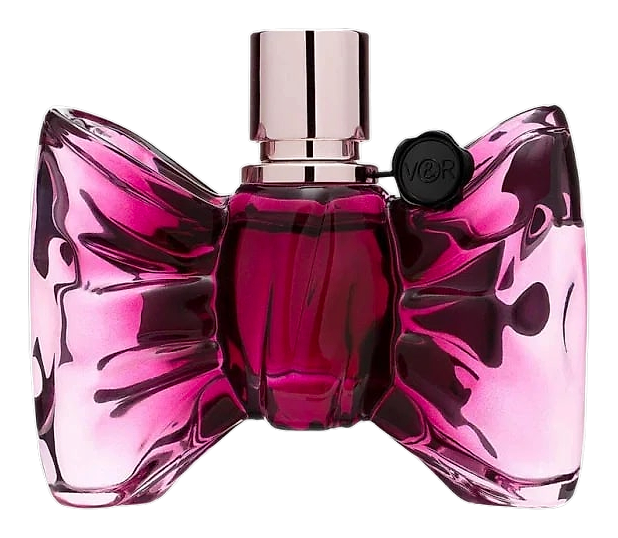
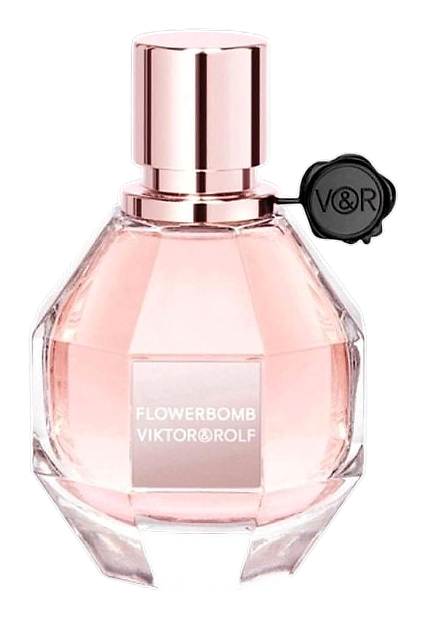
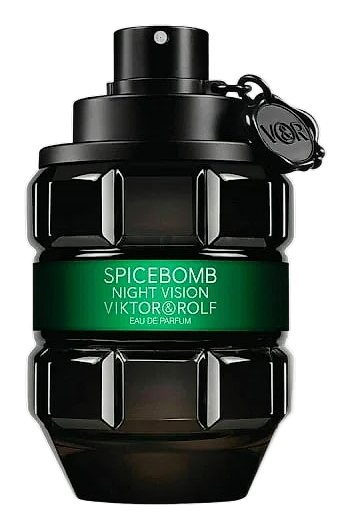
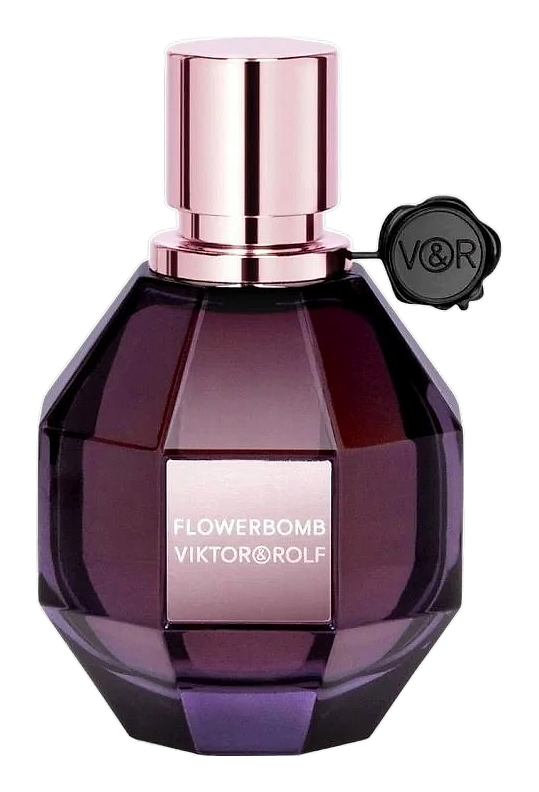
Viktor Horsting and Rolf Snoeren met at the Arnhem Academy of Art and Design, both born in 1969 in the Netherlands. They launched their label in 1993, shortly after graduating together. Their debut collection treated fashion as performance, the body as architecture, and the runway as a stage for conceptual statement. Early runway shows were more installation than presentation, positioning the pair as fashion artists as much as designers. In 1995, two years before their first commercial fragrance, they created a fragrance installation, treating scent as wearable art. This conceptual approach defined their fashion work and carried directly into their perfumery. Flowerbomb launched in 2005 and became one of the defining fragrances of the decade, proof that their avant-garde instincts could translate into widely loved scent. The house joined L'Oréal's luxury portfolio in 2016, gaining broader reach while maintaining their artistic identity. Today, Viktor & Rolf remains one of the few fashion houses where conceptual rigor and accessible fragrance coexist without compromise. Viktor & Rolf approaches fashion and fragrance as conceptual art forms. They do not chase trends or seasons. Each collection, whether couture or commercial perfume, starts as a question about identity, presentation, and the boundaries of wearable art. Their fragrances are designed to provoke conversation as much as admiration. Flowerbomb exploded onto the scene as a statement about feminine power and excess. Spicebomb answered with masculine intensity and contradiction. The philosophy is consistent: fragrance is not decoration, it is declaration. The duo insists on work that challenges conventions while remaining wearable. Their vision prioritizes intellectual engagement alongside sensory pleasure, creating pieces that reward attention. This dual identity makes the house distinctive in a market where most brands separate their artistic and commercial ambitions.